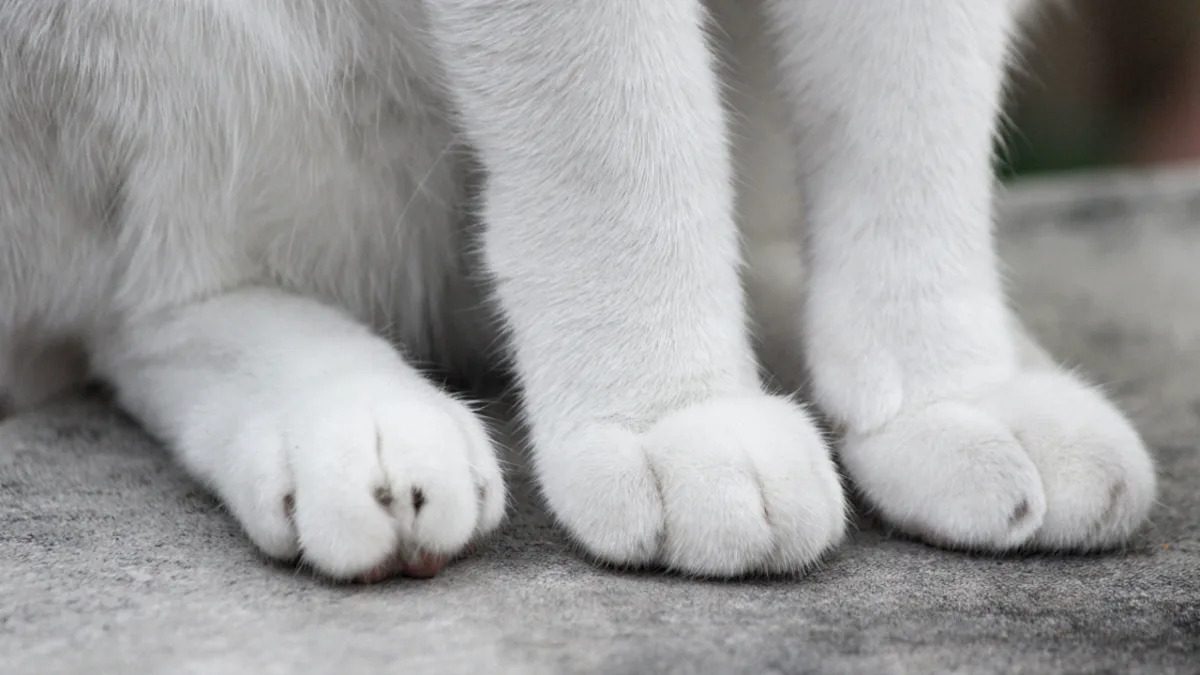
Some animals are so rarely seen that catching even a glimpse feels like magic and like you’re the luckiest person in the world. That’s exactly what happened when a photographer captured a stunning shot of an ultra-rare “ghost cat.”
With its pale coat and piercing eyes, the elusive feline looks almost like a creature from another world. It’s a once-in-a-lifetime photo that leaves you in total awe. And we can see why the photographer, and everyone who has seen the images, has fallen in love. Take a look!
Brut America (@brutamerica) shared a video of the incredible photos a wildlife photographer captured of the beautiful leucistic Iberian Lynx.
Wildlife photographer Angel Hidalgo took the image, and according to the caption on this video, this is the first-known video of a Lynx with leucism, “a rare genetic condition that causes depigmentation of the fur/skin while leaving the eyes pigmented.”
According to Brut, this photo of this Iberian Lynx with leucism was taken in Spain, and it’s got everyone talking.
Related: Stunning White Cat Demands Attention Until Mom Sees His Special Talent
In the comments, it became very clear that this beautiful “ghost cat” caught the attention of animal lovers, and everyone saw the beauty in this rare wild cat.
One person wrote, “It’s beautiful.”
Another shared, “It looks mystical.”
Someone else added, “Why does he look more perplexed at us than we are at him?”
Another commenter shared that this cat looks like Shira, a female saber-toothed tiger in Ice Age 3. And they’re not wrong!
🐶SIGN UP to get “pawsitivity” delivered right to your inbox with inspiring & entertaining stories about our furry & feathered friends🐾🐾
What Is Leucism?
This stunning Iberian Lynx has a condition called leucism, which we learn about in the caption, but what is leucism? According to experts, it’s similar to the condition albinism.
According to Merriam-Webster, leucism is a genetic condition that affects different animals, including mammals, reptiles, and birds. Its most significant indicator is pale features, including feathers, hair, or skin, due to inhibited melanin and other color pigments.
Albinism, which happens in humans, too, is marked by a complete lack of melanin, while leucism is a partial loss of pigment.
This photo of the Iberian Lynx is definitely one for the history books!
This story was originally reported by Parade Pets on Nov 22, 2025, where it first appeared in the Pet News section. Add Parade Pets as a Preferred Source by clicking here.