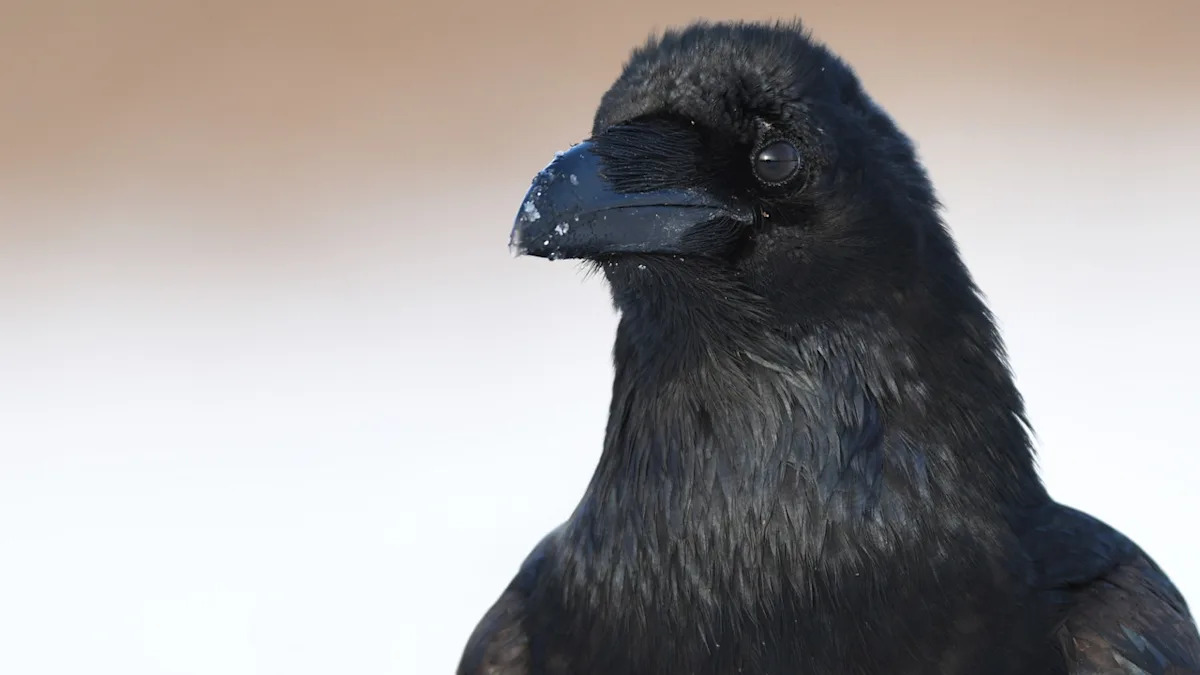
Ravens are some of the most fascinating creatures on Earth, and thanks to years of scientific research, we’re finally beginning to understand the full scope of raven intelligence and the incredible abilities these birds possess. Known as some of the smartest birds in the world, ravens can solve complex, multi-step puzzles, use tools, learn by watching others, and even plan for the future. There’s also growing evidence that ravens may have a degree of self-awareness—a trait shockingly rare in the animal kingdom. And perhaps most astonishing for us humans, ravens are experts at forming social bonds and have an extraordinary talent for remembering human faces.
Of course, that razor-sharp memory can be a double-edged sword as ravens are famous for recognizing people who treat them poorly—an holding a grudge. Studies on their corvid cousins, crows, show that these birds can remember a “bad face” for years and may even pass that knowledge down to their young. But the flip side is far more heartwarming: some bird watchers and corvid enthusiasts have claimed that these birds also remember kind faces and that’s helped form friendships with the ravens in their neighborhood.
But is it actually possible to befriend a raven—and if so, how do you go about it? Let’s explore that topic and see how someone can form a raven-human friendship and why these brilliant birds never forget a face.

A boy trying to make friends with a raven by feeding it.Image via Getty Images/jackSTAR
While ravens are extremely intelligent and social birds, they’re also cute wild animals, which means that they’re not likely to establish the same intense emotional bonds with you that a domesticated animal like a dog or cat could. In fact, as wild animals, they can be naturally cautious around humans, so don’t expect to step outside and have a raven immediately land on your shoulder as if you were a goth Disney princess, no matter how many good vibes you put out. However, even with those caveats in mind, there’s more than enough anecdotal evidence to say that yes, it is possible to befriend a raven—or at the very least, to get them to enjoy visiting you and to have some sort of raven-human relationship.
What To Keep In Mind When Attempting To Befriend a Raven

A large raven perched on a branch.Image via Getty Images/Astrobobo
When it comes to befriending a raven, your goal should not be to turn the raven into your pet. Remember that ravens are protected under the US Migratory Bird Treaty Act (even though ravens are mostly permanent resident birds), which forbids their capture, killing, selling, trading, or transport under penalty of the law. Your end goal when trying to bond with a raven should be to build a relationship. You want the raven to trust you and to feel comfortable interacting with you on their own terms. Those are the building blocks to befriending a raven.
How To Befriend a Raven

A raven eating birdseed out of a person’s hand that they are friends with.Image via Getty Images/LadyLensArt
Seeing that it is possible to befriend a raven, the next question is: how do you befriend a raven safely? Like befriending a crow, step one in forming a raven–human bond is simple—you have to build trust. And in the world of wild ravens, trust often starts with food. In other words, it’s time to roll out the chuck wagon.
Ravens may be naturally cautious, but they’re also incredibly observant and opportunistic. They quickly learn who’s dependable, and a friendly human who consistently puts out tasty treats is an opportunity they won’t overlook. If you know you have resident ravens in your neighborhood, your goal is to transform your yard into the ultimate corvid hangout spot—a place where ravens feel safe, curious, and well-fed. Once they become regular visitors, you can slowly begin acclimating them to your presence and building a foundation of trust.
Here’s what to do to attract ravens, encourage safe interaction, and begin forming a raven-friendly relationship:
Bring Out the Food
As opportunistic omnivores, ravens aren’t particularly picky about their meals—they’ll eat just about anything if it’s available, including roadkill or less-than-appetizing scraps. Luckily for you, feeding ravens doesn’t require anything that extreme! These clever corvids are especially fond of raw meat, fresh fruits and vegetables, eggs (scrambled or hard-boiled and chopped), nuts, seeds and whole grains like corn and oats. Many ravens will even snack on extra pet kibble if it’s offered.
That said, not everything in your kitchen is safe for wild raven diets. Some foods are toxic to these birds, including chocolate, avocados, and onions.
Like humans, ravens have individual tastes, and discovering which foods attract your neighborhood birds may take a bit of trial and error. Start by offering a few different options, then observe from a distance to see which treats they prefer. Over time, you’ll be able to create the ultimate raven-friendly feast, making your yard the go-to hangout for local corvids and helping you build a trusting relationship with wild ravens.
Maintain a Consistent Schedule
Feeding ravens once in a while isn’t enough to win their trust and have them think of you as their friend. These highly intelligent corvids are strategic opportunists—they won’t waste time visiting a yard unless they can rely on a steady source of food. To build a lasting raven-human relationship, you need to establish a consistent feeding routine that keeps them coming back.
Once your ravens recognize a pattern in your feeding habits, they’ll likely start arriving unprompted. If you feed them at the same time each day, some birds might even beat you to the yard, showing just how sharp their memory and timing can be. Consistency is key, and frequency matters too: aim to feed ravens once every 1–2 days for the best results. Over time, this regular schedule helps your neighborhood ravens associate your yard with safety and good food, forming the foundation of trust needed for a true raven-friendly bond.
Think Location, Location, Location
You can bring out the most delectable raven treats known to birdkind, served on a shiny gold platter, but if it’s in a busy, noisy space with cars whipping by and dogs barking all day long, the ravens aren’t going to appear. It’s not enough to give ravens good food; you also need to give them a safe, comfortable place to eat it.
Ideally, you should set up your raven feeding station in a part of your yard that’s nice and open, yet fairly secluded from noise, traffic, and other obvious threats. Although you can feed them from plates set on the ground, they might appreciate a raised platform on which to dine, where they can be less vulnerable to predators. While you’re at it, you might want to invest in a simple bird bath too: ravens, along with other birds, will really appreciate a place where they can drink and bathe in safety. By doing so, you’ll be able to establish a friendship with ravens in your neighborhood.
Be Patient
Don’t expect ravens to swoop over in gratitude on day one—building trust with wild birds takes patience and consistency. At first, it’s crucial to give them plenty of space. Set out the food and watch from a distance. Don’t worry—they have excellent eyesight and will still be able to recognize and remember your face. As the ravens grow more comfortable with your presence, you can slowly close the distance, or you may be lucky enough to have them take the initiative and fly over to you first!
The experiences of people who have successfully befriended ravens, crows, and other corvids are nothing short of remarkable. People online have shared stories of their raven friends following them on walks, gifting them shiny trinkets, and even bringing future generations of baby ravens to visit! Of course, some of these encounters come with minor drawbacks—like the occasional mess on your deck—but that’s part of the charm of forming a raven-human friendship.
While there’s no way to predict exactly how your own relationships with ravens will unfold, one thing is certain: a solid foundation of trust, patience, and tasty treats is the key. With consistent effort, respect for their space, and a little bit of time, you can enjoy the joy and wonder of interacting with one of the most intelligent and memorable birds on the planet. Happy bird befriending—and may your yard become a favorite hangout for your neighborhood corvids!
This story was originally published by PetHelpful on Nov 30, 2025, where it first appeared in the Birds section. Add PetHelpful as a Preferred Source by clicking here.