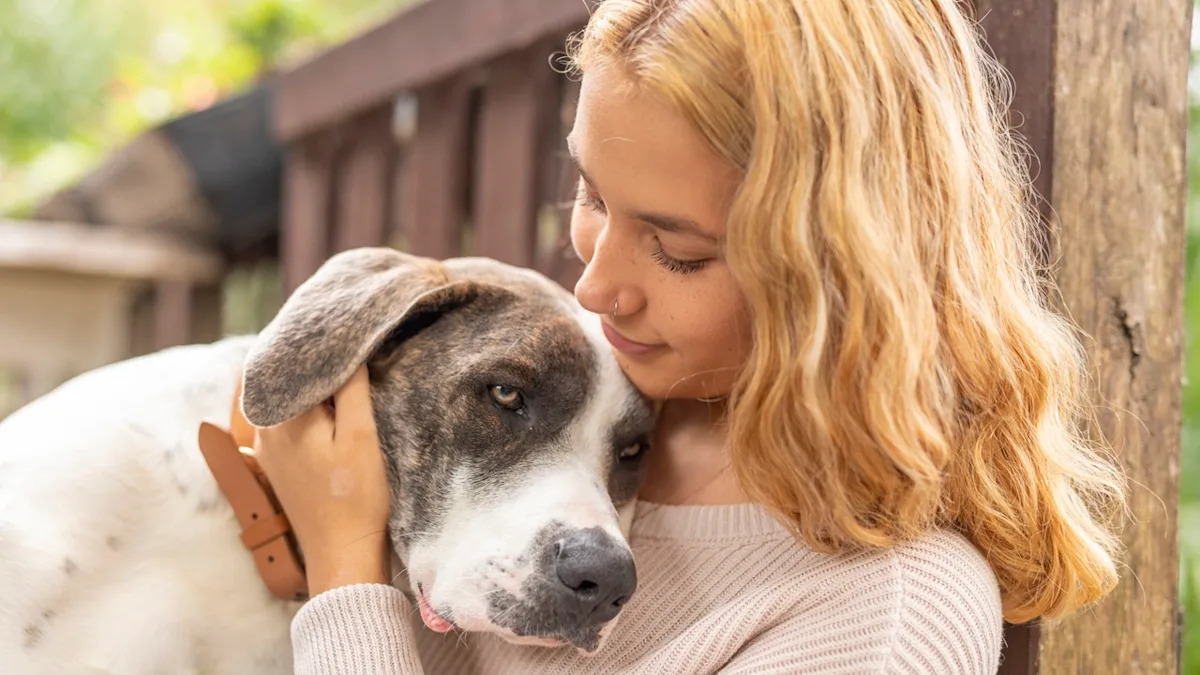
Everyone experiences sadness at some point in their life—a heavy, aching feeling no one would wish on themselves or their loved ones, including their pets. But even with all the love and care you provide as a pet parent, dogs are not immune to heartbreak. Whether it’s the loss of a companion, a change in their environment, or separation from someone they love, dogs can experience grief too. However, because dogs communicate different than people do, it can be hard to recognize when your pup is feeling this way. To help you recoginze their body language better, we rounded up 6 signs of grief in dog, according to a vet.
After all, understanding the signs of dog grief is the first step so you can comfort your grieving dog. By doing so, you can then help your furry family member navigate these difficult emotions and feel supported during that tough time. When you are there for them, it will strengthen your dog-owner bond and ensure your pet feels supported and extra loved during that challenging time.
So, if you ever find yourself wondering how you can tell if your dog is sad and what some dog depression symptoms are as well as signs of grief in dogs in how you can be there for them, keep reading. We cover that and more below.
Related: 10 Signs Your Dog Thinks You’re Their Emotional Support Human, According to Trainers
6 Most Common Signs of Grief in Dogs

A dog who is grieving and feeling sad.Getty Images Alexandra Jursova
Grief in dogs can show up in subtle behavioral changes, making it important for pet owners to recognize the most common signs of grief in dogs early. By understanding dog grief symptoms and learning effective ways to comfort a grieving dog, you can help your pet cope with loss and feel safe, supported, and loved.
Loss of Appetite or Changes in Eating Habits
Changes in appetite are one of the most common signs of grief in dogs. “A reduced food intake (or not eating at all) may occur when a dog is too sad or stressed to enjoy even their favorite foods,” explains Dr. Julie Hunt, Veterinarian at Embrace Pet Insurance. “In some cases, an increase in food intake can also happen if a grieving dog is attempting to self-soothe by eating something they enjoy.”
Noticing sudden loss of appetite in dogs or unusual overeating can help pet parents recognize dog grief symptoms early and take steps to support their dog’s emotional well-being.
Decreased Energy and Activity Levels
A noticeable drop in energy is a common sign of grief in dogs, especially following a loss or major change. “A dog’s activity level may change, including an increase in the number of hours spent sleeping,” explains Hunt. “They may seem reluctant to get up or engage in normal activities because they’re missing what they’ve lost.”
When a dog becomes unusually lethargic or uninterested in walks, playtime, or social interaction, it may signal dog grief or emotional distress. Recognizing these behavioral changes can help pet parents understand how to comfort a grieving dog and support their emotional recovery.
You Can Hear Their Saddness
Dogs often express emotional distress through sound, making increased vocalization another dog behavior that is a sign of grief in dogs. “Moaning, whining, crying, or other changes in vocal behavior can indicate that a dog is experiencing sadness, stress, or emotional discomfort following a loss,” explains Hunt.
If your dog is vocalizing more than usual, especially in situations where they were previously calm, it may be their way of communicating they are sad and seeking comfort. Knowing what these sounds mean can help pet parents recognize dog grief symptoms early and help them be able to take steps to support their grieving dog.
Related: 10 Ways Dogs Can Show Their Appreciation For You in the New Year, According to a Trainer
They Are Antsy
“Increased restlessness is sign of grief in dogs and a dog behavior you can look out for,” Hunt reveals. “Dogs experiencing loss may begin pacing, acting unable to settle, or repeating certain behaviors more often than usual. These changes often reflect dog anxiety and emotional distress caused by the absence of a person, pet, or routine they relied on.”
When a dog appears unusually antsy or on edge, it may be their way of coping with sadness. So, if you notice your pup is doing that, don’t ignore it. Try offering them extra comfort, gentle petting, or invite them on short walks to help them release nervous energy and feel more secure. Consistent routines, soft reassurance and quiet time together can make a big difference in easing dog grief and anxiety.
They Have No Interest In Things They Love
When dogs are grieving, even their favorite activities can lose their sparkle. “A reduced willingness to engage in activities the dog usually loves, like chasing a ball, going on walks, or playing with toys—can happen when a dog is experiencing grief,” explains Hunt. “They may be focused on what they’ve lost, which can make playtime feel less exciting than usual.”
If your dog suddenly skips games they once couldn’t get enough of, it may be one of the gentle signs of grief in dogs. Offering patience, extra affection, and small moments of encouragement can help a grieving dog slowly reconnect with the things that once brought them joy.
They Don’t Want to Play
Even the happiest pups can lose interest in play when they’re feeling sad, says Hunt. “Your dog might skip games with other pets in the home or the neighborhood, or even turn down fun playtime with you. They may be thinking about their loss, which makes playing with their toys and fetch feel a little less exciting.”
If your furry friend seems uninterested in their usual games, don’t worry, this is a gentle sign of grief in dogs. Try inviting them to play in small, low-pressure ways, like tossing a favorite toy nearby or snuggling with a comfort blanket. Sometimes just sitting together, giving extra belly rubs, or sharing quiet cuddle time is all they need to start feeling a little spark of joy again.
How to Comfort a Grieving Dog
Do dogs grieve? Yes, just like people, dog grieve the loss of a human or animal companion. When a dog is grieving, what they need most is comfort, patience, and your steady presence.
Continue to Engage with Your Dog Frequently
“Even though your dog is sad and may seem to want to be left alone, it’s important to continue to try to get them to engage,” says Hunt. “Your dog needs to know that you care about and love him! Be mindful of what your dog wants in this time of grief. If your dog is quiet, maybe they want you to sit nearby and stroke their fur. If they have a more energetic moment, perhaps they would like to go for a walk. Take your cues from them.”
Make Sure Your Dog is Eating and Drinking
“While your dog’s appetite may not be as good as usual, you still want to make sure they are getting nutrients. As long as they are still eating something, then continue feeding them as usual. However, if they are refusing to eat anything of their usual food, then consider offering a tastier alternative to tempt him to eat,” Hunt advises.
Don’t Try to Rush the Process
“Don’t jump right into replacing what your dog lost (unless it was a toy),” explains Hunt. “If your dog lost a dog friend, don’t bring home a new puppy the next day. Allow your dog to grieve the loss and recover before considering bringing home a new dog. A replacement doesn’t solve grieving.”
Source:
Dr. Julie Hunt, Veterinarian at Embrace Pet Insurance
This story was originally published by Parade Pets on Jan 8, 2026, where it first appeared in the Birds section. Add Parade Pets as a Preferred Source by clicking here.