New York has some of the most stringent exotic pet laws in the country, and those laws got even stricter this year with the passing of Senate Bill 252, which redefines “exotic animal” and “wild animal” and adds more exotic animals to the state’s “ban list.” On top of that, exotic animal bans are even more far-reaching in the Big Apple, as some animals that might be permissible in the more rural and suburban areas of the state cannot live comfortably or safely within the densely populated confines of New York City. So, if you have always dreamed of having a unique and unexpected critter of your own, you may want to check out our list of 10 Exotic pets that are legal to own in New York State first.
That way, you can find out if the cute animal you want to get is allowed or not. After all, if you’re an exotic pet lover who lives in New York or you are planning on moving there, the state’s ever-evolving stance on exotic animals can leave your head spinning. Fortunately, as strict as these laws are, you do have a little more leeway than you might expect. And since some of the information surrounding these laws can be difficult to find, we you’ll love our highlighted roundup that features everything from birds to reptiles.
Besides proving information on 10 exotic animals that you can legally own in New York State, we also included a few exotic animals that are illegal in NYC as well! You may be surprised by which ones are included.
10 Exotic Pets Legal in New York City
As far as the law is concerned, the following exotic animals are perfectly legal to own in New York City, and by extension, throughout New York State as well. However, landlords and property managers may impose their own restrictions on exotic pet ownership, so just because the law says you can have a certain pet doesn’t necessarily mean you’ll be allowed to bring it home to your apartment. Before adopting any animal (even a domesticated cat or dog), make sure you know what pets are permitted in your rental agreement.
Cockatiels

A cockatiel sitting on an office chair is legal to have in NYC.Image via Getty Images/Maryna Terletska
Bird lovers will be pleased to know that many popular pet birds are in the clear—cockatiels included. Cockatiels, with their affectionate, social personalities and boundless musicality, are an excellent choice for an apartment-friendly bird, especially for first-time bird owners. They’re fairly small, they can get along well with multiple people (not just one “favorite person”), and because they’re not quite as long-lived as some larger parrot species, they’re not necessarily a lifetime commitment for inexperienced bird parents (for better or worse). Still, even beginners should remember that their cockatiel will need a sizable cage and plenty of daily playtime outside of their cage to remain a happy bird!
Bearded Dragons

A bearded dragon is illegal to own in New York.
Though ownership of many reptiles is banned in New York City, a few small reptiles are allowed as companion animals, including the lovable bearded dragon. Fearsome though their name may be, bearded dragons are very cute, and many people even consider them to be much more “affectionate” than the average pet reptile. Bearded dragons really seem to love their owners, and many of them even enjoy gentle handling. Make sure that you can house your bearded dragon comfortably, though: an adult bearded dragon’s tank should ideally be at least 75 gallons, and no smaller than 55 gallons at a bare minimum.
Chinchillas

A sleepy chinchilla.
Another exotic pet you cna own in NYC? Chinchillas! They are a small species of rodent native to the Andes Mountains, and while technically considered an exotic pet, they are permissible as small companion animals under New York City guidelines. Chinchillas are adapted to life in cold, arid environments, so much so that instead of bathing in water, they take dust baths!
As pets, they are active (particularly in the evening and early morning), intelligent, and adorable—and it doesn’t hurt that their fur is as soft as a cotton candy cloud. Potential chin parents should be aware of two things, though. First, chinchillas are independent and shy animals, so don’t expect them to be particularly cuddly (though of course, there are always exceptions). Secondly, while chinchillas are fastidiously clean and low-shed, they poop a lot—often as much as 250 times a day!
Chickens

Chickens on a farm in New York.
Urban farmers rejoice! We bet you probably didn’t see chickens coming on this list, but they are indeed permissible pets under New York City law, as they have been since time immemorial. However, this comes with a bit of a caveat: roosters are not permitted, since they cause noise disturbances with their constant crowing. The upside is that there’s no limit to how many hens you can have, so long as you have a coop big enough to house them all comfortably. That means fresh eggs on the reg without ever having to step down to the grocery store—and with egg prices the way they are these days, having a few extra freebies to share is a great way to get on your neighbors’ good side!
Rats

A pair of pet rats playing with their owners in NYC.
With NYC’s ongoing war against the city’s rat population, you’d think that rats as pets would be banned outright. However, “fancy rats,” aka domesticated rats, are perfectly fine to own, so as long as you got your pet rat from a breeder or a pet store and not the sewer, you should be good to go. And despite the negative press that wild rats get as vermin, domesticated rats make great small pets for first-time pet owners. They’re extremely intelligent, active, docile, clean and very affectionate with their owners! If you want a pint-sized pal with surprising smarts and a passion for playtime, you’d be hard-pressed to find a better pet than a rat.
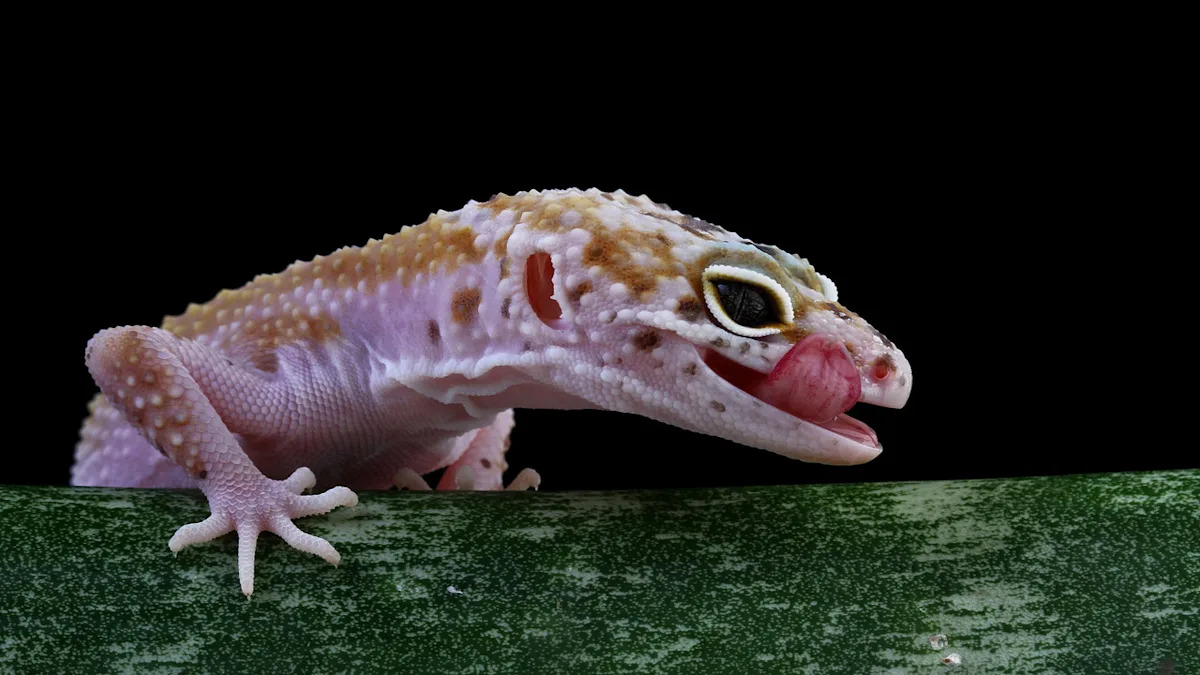
Leopard Geckos

A leopard gecko and their owner in New York.
Like the bearded dragon, the leopard gecko is another NYC-friendly pet reptile. With their plump tails, colorful speckled bodies, and permanent sly grins, leopard geckos are as cute as they come, and they can learn to enjoy handling with calm and consistent socialization. Never pick them up by their tails, though—leopard geckos can drop their tails as a defense mechanism!
Budgies

Two pet budgies sharing a smooch in NYC.
Budgerigars, or budgies for short, are another NYC-approved bird species that’s fairly beginner-friendly (at least as far as pet birds are concerned). Budgies are cute little chatterboxes, and while they may not be able to amass as large a vocabulary as certain other parrots (especially the brainy African Grey), they can still pick up a lot of their favorite songs and phrases. Like any other pet bird, though, your budgie will need a sizable cage, plenty of outside playtime (outside of their cage, that is), and lots of daily socialization and enrichment!
Guinea Pigs

A cute guinea pig getting pet by its New York owner.
It might seem strange to classify an animal as commonplace as the guinea pig as an “exotic pet,” but they are broadly considered to be exotic animals, largely because they require specialized small animal care from veterinarians. They are very social, generally docile and easy-going, and because they’re diurnal (daytime) animals, they won’t keep you up at night! Guinea pigs are larger than most other pet rodents, though, so you’ll want to provide them with a fairly large enclosure. An enclosure size of at least 7.5 square feet is recommended for a single adult guinea pig, but bigger is always ideal.
Lovebirds

Two lovebirds kissing.
What’s not to love about lovebirds? These singsongy sweeties are cute, colorful, and oh so charismatic. Lovebirds do demand a lot of attention, though, and they tend to get stuck on one specific person rather than befriending everyone in the household. However, lovebirds mate for life, and if you can successfully find a mate for them, they’ll be able to fulfill some of their social needs with each other. Even so, you should still let your lovebirds out for exercise and enrichment time every day!
Honeybees

Honeybees making honey.
We’re wrapping this list off with one heck of a curveball! Though nearly all venomous insects are banned as pets in New York City, honeybees (of the non-aggressive variety) are a very notable exception. However, NYC beekeepers do need to fill out a notice with the city Health Department containing such information as their name, address, emergency contact info, and the hive’s location. They will also need to adhere to appropriate beekeeping practices and place their hives where the bees will not pose a public nuisance. Most exotic pet enthusiasts might not be interested in building a beehive off the bat, but if you’re interested in apiculture, don’t let a move to the Big Apple stop you from pursuing it!
Curious About a Pet Not On This List?

A pretty fennec fox.
If there’s a specific animal you’re wondering about that wasn’t covered on our list, you can check the official NYC website for a current list of legal and illegal pet animals. And if you’re curious about what pets you can have in New York State proper, you can reach out to the New York State Department of Environmental Conservation for up-to-date information on exotic pet laws.
Pets Banned in New York (State and City)

A capybara and her baby.
Now, let’s go over the some animals that are illegal to own in New York. The state’s ban list of wild and exotic animals includes (but isn’t limited to):
-
Macropodidae (Australian/New Guinean marsupials such as kangaroos, quokkas, wallaroos, and wallabies)
-
Large carnivores, including bears, wolves, and big cats like lions, leopards, tigers, and cheetahs
-
Cetacea (whales, dolphins, and porpoises)
-
Pinnipeds (seals, sea lions, and walruses)
-
Alligators, crocodiles, and caimans
-
Elephants, rhinos, and similar non-native exotic species
-
Certain species of turtles and tortoises
If you live in New York City, you can check Article 161 of the NYC Health Code for a comprehensive list of banned animals. You’ll notice that their list also includes a lot of small native non-domesticated wildlife, such as squirrels, deer, skunks, and the like. Some exotic pet species that are legal to own in the rest of the state are on there, too, such as ball pythons, fennec foxes, and hedgehogs.
Now, it is technically possible to acquire an exotic pet license to own one of these “banned” animals. However, rarely are these permits given to private owners. Instead, they’re primarily given to zoos and aquariums, animal sanctuaries, and research or educational institutions. Your best bet is to ignore any of the species outlined under the restrictions and try your luck with one of these species instead.
This story was originally published by PetHelpful on Dec 27, 2025, where it first appeared in the Exotic Pets section. Add PetHelpful as a Preferred Source by clicking here.