When it comes to pets, did you know that owning certain exotic animals are legal in some states? It’s true! Depending on where you call home, you may or may not be able to add specific creatures to your family. One of the states that has laws about which animals can be considered a pet, is Californa. So, if you have always dreamed of having a unique and unexpected critter and you live in the Golden State, you may want to check out our list of 10 exotic pets that are legal to own in California first.
That way, you can find out if the cute animal you want to get is allowed or not. You may be shocked that exotic pet laws in California are, ironically, pretty “wild.” For example, California is the only state other than Hawaii to impose an outright ban on pet ferret ownership (though recent efforts have been made to overturn that ban). Hedgehogs and, of all things, gerbils are surprisingly illegal there too, due to the potential threat they pose to California’s native wildlife should they escape. But if you want a pet zebra? Well then, you might just be in luck.
Though the Golden State’s laws regarding exotic pet ownership are very restrictive in some areas, they’re surprisingly permissive in others. If you’ve ever wanted to open your California home to an exotic pet, there’s plenty to choose from—it’s just that your options might be a bit more out-of-the-box than you expected. We’re here to give you the lowdown on 10 of the most surprising exotic animals legal in California as of January 2026.
10 Exotic Pets Legal in California
Keep reading to find out exotic animals legal in California. As far as the law is concerned, the following exotic animals are perfectly legal to own if you live there. Some may even surprise you as our roundup features everything from birds to reptiles.
However, while the animals we’re about to talk about are all legal to own as exotic pets in California, that doesn’t necessarily mean they’re OK to own in the specific part of California you live in. Not only are there state laws to consider when it comes what animals can be pets, but your county or municipality may impose additional restrictions on what pets you’re allowed to have. In short, don’t take this list as a no-strings-attached green light to adopt any animal without checking your area’s exotic animal laws and ordinances first!
Zebras

A zebra standing in a field of yellow flowers.
Under California law, all members of Family Equidae are exempt from the exotic animal ban—and yes, that does include zebras. However, because zebras are still considered exotic animals (unlike regular horses), there is a caveat. To legally own a pet zebra in California, you must have at least two years of experience working with exotic animals (and at least one of those spent working with zebras). If you don’t yet have that experience, there’s still the rest of Family Equidae (horses, donkeys, etc.) waiting for you. If you do have prior experience working with zebras in a zoo, ranch, or similar setting, though, you’re in luck!
Though you might roll your eyes at having to deal with additional zebra ownership stipulations on top of all the other restrictions on exotic pet ownership, they are there for a good reason. Zebras, unlike horses, are not domesticated, and their wild instincts make them more jumpy and unruly than the average horse (and trickier to ride without special training, incidentally). That’s why having prior experience working with zebras will really come in handy if you plan on owning one!
Hybrid Cats

A Bengal cat doing a big stretch.
It is illegal to own a wild cat as a pet in California, but you can own a hybrid cat, which is the offspring of a domesticated house cat and a wild cat. Examples of popular hybrid cat species include the Savannah cat (a domestic cat crossed with a serval) and the Bengal cat (a domestic cat crossed with a jungle cat). Unlike another very popular species of hybrid animal (which we’ll cover next), all generations of hybrid cats are OK in California, so even if your cat is a first-generation hybrid, you’re good to go!
Wolf Dogs (Second Generation and Above)

Children petting a happy wolf dog.
Similar to hybrid cats, wolf dogs are, as the name implies, a cross between a wolf and a domestic breed of dog. However, unlike with hybrid cats, California’s rules regarding wolf hybrid ownership are a little more restrictive. You cannot own an F1 wolf dog hybrid (aka the direct offspring of a wolf and a dog), but if the “wolf” in the equation is a grandparent, great-grandparent, or further back in their ancestry, then you’re in the clear. Don’t be discouraged, though, because even if your wolf dog is only one-quarter true wolf, they’ll still look significantly more lupine than their canine compatriots!
Boa Constrictors and Ball Pythons

A ball python beng held in hand.
California’s restrictions on snake ownership, especially big snakes, can get pretty confusing. Constrictor snake species, including giant constrictors like the Burmese python and the reticulated python, are not listed among California’s restricted species. However, these species are protected under the Lacey Act, which prohibits their transportation across state lines. The good news? Boa constrictors, as well as certain other small constrictors like the ball python, are not included in the Lacey Act and are therefore OK to own. Boas and ball pythons are far smaller and more manageable than large species of constrictors anyway, making them a better fit for exotic pet parents of all experience levels!
Monitor Lizard

Image via Getty Images/agus fitriyanto
When it comes to exotic pets legal in California, another unlikely reptile that’s legal to own in California is the monitor lizard—or specifically, monitor lizards, since no monitor lizard species are listed as restricted (though a few, including the rare yellow-headed, white-headed, and marbled water monitors, are protected under the Lacey Act). Monitor lizards like the cute and curious Ackie monitor or the large Asian water monitor are favorites of reptile enthusiasts, but newbies should be aware that many monitors have saliva laden with venom and harmful bacteria, which can cause nasty symptoms like swelling and painful burning should you be unlucky enough to get bitten by one. Handle with care!
Camels and Dromedaries

Did you know that one exotic animal legal in California to own is a camel? These hump-hauling desert ungulates are perfectly OK to own in the state of California, provided you’ve got enough space to house them—living in the desert, thankfully, is optional. Camels (and their close cousins, the dromedaries) can make excellent pets if trained and socialized well, but they are still big and strong enough to be dangerous if handled irresponsibly. If you plan on owning a pet camel, do it right and get a jump start on their training early!
Llamas and Alpacas

Ever dreamed of opening a llama farm? If you live in California, you’re in luck: llamas and alpacas are cleared under the same exemption that includes camels, yaks, water buffaloes, and one more animal that will be making an appearance next. Though technically “exotic,” llamas and alpacas are domesticated animals that can make excellent pets if given the proper living conditions, training, and care. Just remember that these animals are also known for getting an attitude—as well as hawking a mean loogie when they’re angry!
American Bison

The American Bison is one more exotic pet legal in California. Even so, the American Bison is certainly no household pet, and you probably wouldn’t want to try to fit a bison in your home’s dog bed besides. Nevertheless, you can legally own a pet American bison in California, so if you’ve got the wide open spaces to accommodate one (as well as the skill and confidence to care for a one-ton pet with horns), it is technically an option!
Toucans

A surprising number of exotic birds are OK to own in California. With the exception of the aforementioned Quaker parrot, all parrot species are legal, as is the tropical toucan. If it’s always been your dream to own one of these bright-billed birds, that dream is within your grasp if you live in the Golden State!
Bear in mind, however, that the toucan is a very large exotic bird with a tendency to be very high maintenance. They need lots of space, lots of daily enrichment, and lots of patience from their owners. If you’re not a seasoned exotic bird owner, we might recommend starting with a more beginner-friendly bird instead, such as one of the many legal-to-own parakeet species.
Ostriches

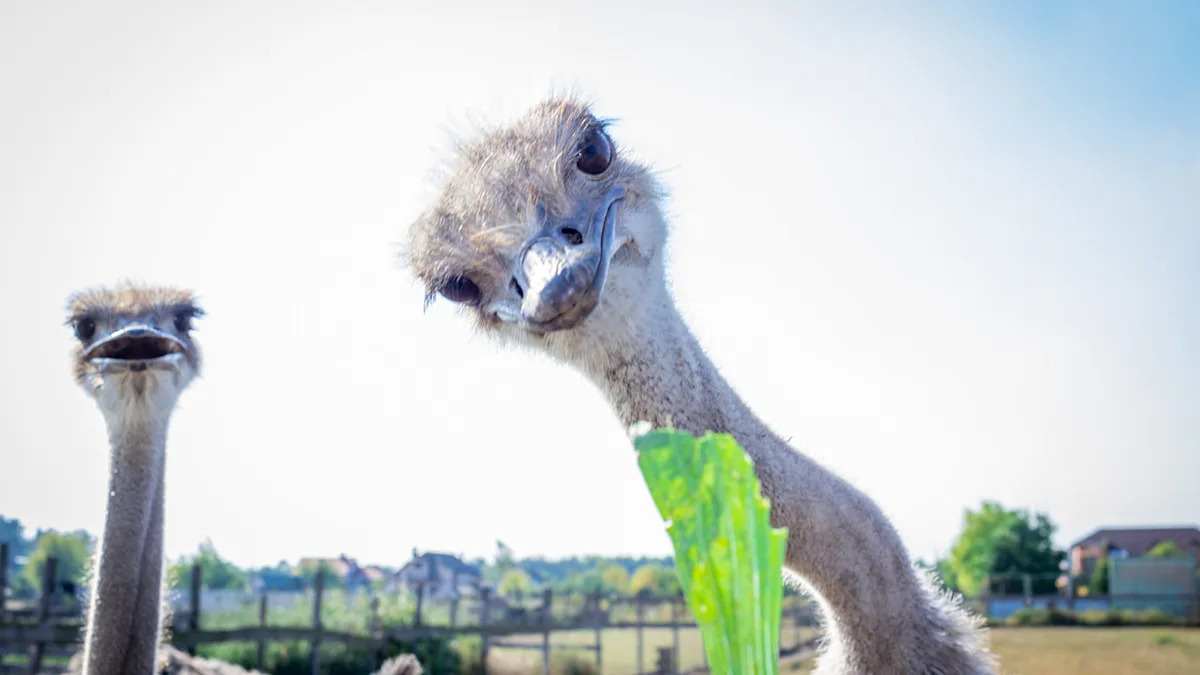
If a pet toucan wasn’t extravagant enough for your tastes, then it’s time to go big or go home with a (fully legal) pet ostrich. Standing anywhere from 6 to 9 feet tall and weighing up to nearly 300 pounds, these enormous African avians would put Sesame Street‘s Big Bird to shame, but if you’ve got the space and means to house a pet ostrich, you’re legally clear to do so by the State of California!
By now, though, you will probably have seen a trend forming throughout this list, which is that just because you can do something (in this case, own a certain exotic animal) doesn’t necessarily mean that you should. While ostriches are fascinating creatures that can be raised on a farm or on a large property, they’re also massive, aggressive, and fast-moving creatures, capable of dealing out potentially fatal kicks with their clawed feet. An ostrich is by no means a beginner-friendly or even an intermediate-level exotic pet, and if you choose to raise one, you should be ready for the risks and responsibilities that come with it!
Other Exotic Animals Legal in California

While we wanted to highlight some of the most striking and unusual legal specimens, our top 10 list is by no means an exhaustive list of all the exotic pets that you can legally own in California. Some other honorable mentions include:
-
Starlings (Sturnus vulgaris)
-
Non-venomous colubrids like corn snakes and king snakes
When in doubt, you can always reference the California Fish and Wildlife’s Restricted Species list to double check—and as always, remember to read up on the local animal ownership laws in your local city and county before adopting any exotic animal!
What Pets Can’t You Own in California?

Kinkajous, a popular exotic pet, are illegal to own in California.
Whle there are several exotic pets legal in California, there are also some that are not. California’s Fish and Wildlife Department imposes pretty stringent restrictions on the ownership of most non-native animals or animals that could pose concerns about “competition with native species, predation, and potential disease transmission” should they be released into the wild. The department’s extensive restricted species list includes (but is by no means limited to):
-
Mammals from the Order Insectivora (hedgehogs, shrews, moles, etc).
-
Nearly all non-native slugs and snails
-
Giant toads from Genera Rhinella and Rhaebo
Obviously, exceptions are made for institutions like accredited zoos and aquariums, but the average Joe can’t get away with owning these contraband critters at home. Though it is possible to get a permit to own some of these restricted species, owning one as a pet is not a qualifying reason. The penalties for getting caught with an illegal pet are harsh, too. You could face misdemeanor charges that carry a penalty of up to 6 months in jail and fines as high as $10,000.
That all might sound discouraging to potential exotic pet owners, especially when such seemingly innocuous species like gerbils and hedgehogs are on the list. But cheer up, because we’re about to get into which animals are legal exotic pets in California, and you’re in for a few surprises!
This story was originally published by PetHelpful on Jan 6, 2026, where it first appeared in the Exotic Pets section. Add PetHelpful as a Preferred Source by clicking here.