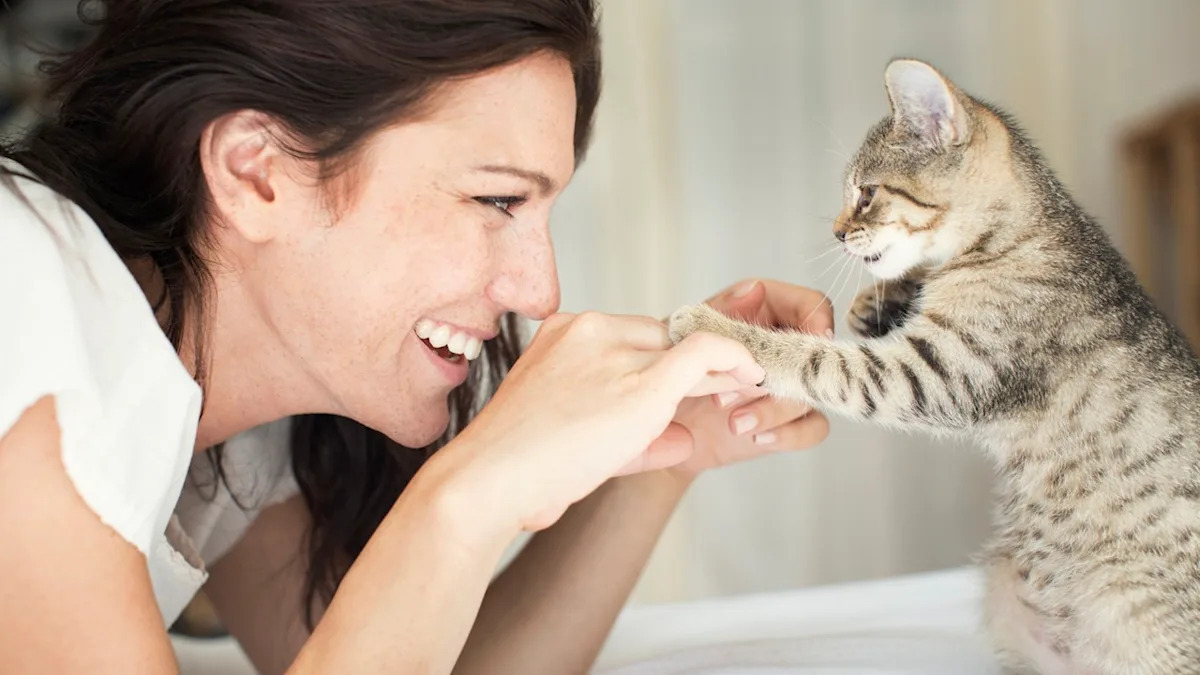
No matter if you’re a “crazy cat person” or have always dreamed of becoming a cat owner, then you already know how lovable these furry creatures are. There’s just something so sweet about having one as a pet. Cats gift us the chance to play silly games, gush over their cuteness and snuggle for hours. However, while you may have imagined the joy of bringing a kitten home, you might not have spent much time thinking about where you’ll get your future pet. Even though there are many ways to find a furry companion, one of the most meaningful options is adopting a cat from a shelter.
After all, according to the ASPCA there were 5.8 million cats and dogs brought to shelters in 2024. Sadly, cats can’t control whether or not they wind up in a shelter, and it’s not “their fault” as some are even born strays. “Pet parents typically bring a cat into their home with every intention of loving and caring for them for life,” explains Dr. Victoria Carmella, DVM, a veterinary advisor at Pet Honesty. “Unfortunately, circumstances beyond a person’s control can sometimes lead to cats being [surrendered] to shelters or rescue organizations, including life changes, such as a divorce, a new baby, a move, or the development of a cat allergy. Some people even surrender their cat to a shelter due to “behavioral issues.”
However, just because a cat is in a shelter, that doesn’t mean they are bad. “Behavior and cat-specific challenges can often be fixed with the right support, such as litter box problems, scratching or stress-related issues, especially after a move or a big household change,” says Dr. Hannah Hart, DVM, a veterinarian at Chewy. That’s why it’s so important to do your research on cat breeds, so you know their needs and personalities before adopting one. To help you out on your cat adoption journey, we rounded up 6 of the most popular cat breeds in shelters, along with what types of homes they thrive in.
Related: 6 Things That Secretly Annoy Cats, According to Experts
What Are the Most Popular Cat Breeds In Shelters?
It’s hard to officially pinpoint the most popular cat breeds in shelters, especially compared to dogs. With dogs, you may see labels like “Golden Retriever” or at least “Chihuahua mix.” With cats, you’re more likely to see “Domestic Shorthair (DSH)” and “Domestic Longhair (DLH)” on their name card or on the shelter website.
“Domestic Shorthairs and Domestic Longhairs (DLH) are not purebred cat breeds, but rather they are general terms for mixed-breed cats, with the only difference being fur length,” says Dr. Hilary Humm-Beatty, DVM, a veterinarian with Embrace Pet Insurance. “Domestic Shorthair cats have short, sleek fur, while Domestic Longhairs have long, fluffy fur, often with neck ruffs or ear tufts.”
On the other hand, purebred breeds include the Siamese and American Shorthair.
6 Most Common Cat Breeds in Shelters
If you’ve ever visited a shelter, you’ve probably noticed the labels “Domestic Longhair” or “Domestic Shorthair” used to describe cats. While these terms are common, veterinarians note that many of these lovable shelter cats actually carry traits or lineage from purebred cat breeds. In fact, shelters are often home to some of the most popular cat breeds available for adoption, even if they’re part of a mix. Knowing which cat breeds are commonly found in shelters can help potential pet parents identify friendly, affectionate, and low-maintenance cats that make the best pets for families, first-time owners, and busy households. Here are the 6 most popular cat breeds in shelters:
1. Maine Coon

A Maine Coon laying down on a cabinet.Getty Images Alexandra Jursova
It’s hard to resist the Maine Coon, which is one of the most popular cat breeds in shelters and a favorite among vet-recommended cat breeds. Known for their impressive size, Maine Coons have great personalities just as remarkable as their appearance. “This breed is often purchased as a novelty because of their impressive large size—up to 25 pounds and striking looks,” Dr. Humm-Beatty notes. “The personality of the Maine Coon tends to be friendly, affectionate, and ‘dog-like.'”
However, Dr. Humm-Beatty shares that some pet parents aren’t prepared to meet a Maine Coon’s needs, which is why so many of them end up as shelter cats. potential owners should be aware that Maine Coons have specific care needs. She notes that these big cats require regular grooming to keep their long coats healthy, and they may be prone to serious health issues, including heart disease and hip dysplasia, which can be costly to manage. Despite this, Maine Coons are often considered one of the best cat breeds for companionship, playfulness and social interaction—making them a top choice for those ready to provide the care they need.
Breed Info:
-
Notable Characteristics: Long coats, large size, soft fur
-
Weight: 8-18 pounds (or more)
-
Life Expectancy: 10-13 years
2. American Shorthair

A cute cat playing in a basket.Getty Images Kilito Chan
The American Shorthair is one of the most popular cat breeds in shelters, known for being friendly and full of personality. “American shorthairs are generally playful and have laid-back personalities that make them enjoyable companions, espeically if you live alone,” Dr. Hart explains. “They may end up in shelters if people are not able to meet their needs for enrichment time and attention.”
You don’t necessarily need to get intimidated, though. American Shorthair parenthood doesn’t require you to be “on” for your kitty 24/7. “With their shorter coats, they may only need to be brushed about once weekly and benefit from two 5-15 minute play sessions daily,” Dr. Hart shares. “Interactive toys—such as puzzle toys—can be very useful for American Shorthair cats, as can wand toys that allow them to practice their hunting instincts.”
Breed Info:
-
Notable Characteristics: Medium-sized, muscular, short coats
-
Life Expectancy: 15-20 years
3. Ragdoll

A pretty Ragdoll cat waiting to be adopted.Getty Images Nynke van Holten
These cute kitties (and a favorite cat breed of Taylor Swift’s) are truly centerfold material, and they may take over your heart. “With their striking blue eyes and affectionate nature, Ragdolls are hard not to fall in love with,” Dr. Carmella raves. “Ragdolls thrive on human interaction and often seek out physical closeness, making them ideal for cat parents seeking a people-oriented feline companion.”
Stunning as a Ragdoll cat is, they can’t honestly say, “I woke up like this,” as they do require grooming care if you adopt one. “Their long, gorgeous coats do require regular grooming, and they are best in homes where they won’t be left alone for long hours,” Dr. Carmella explains. “When adopters aren’t prepared for the time and attention Ragdolls crave, these sweet cats may struggle and, unfortunately, end up being relinquished.”
Thanks to their friendly personality and strong bond with humans, Ragdolls remain one of the best cat breeds for families, first-time owners and social households. So, if you’re thinking of adopting a cat from an animal shelter, consider one of these.
Breed Info:
-
Notable Characteristics: Large size, soft and medium-length coat, blue eyes
-
Life Expectancy: 13-18 years
Related: 10 Sweet & Funny Signs Your Cat Loves You, Says a Vet
4. Persian

A Persian cat that was just adopted in its new home.Getty Images 	João Pedro Neves
You may be surprised to see that Persian cats are among vets’ picks for most popular cat breeds in shelters. The stuning cat breed is one of the oldest, potentially dating back to the 1600s, arguably one of the most elegant because of their signature long, luxurious coat.
So, why are so many Persian cats in animal shelters? Unfortunately, the Persian’s coat is something of a blessing and a curse. “They have an iconic appearance that so many people love, but that also may be why they end up in shelters due to high grooming requirements and needing to be brushed daily to prevent matting,” says Dr. Ambika Vaid, DVM, an integrative veterinarian and advisor to Badlands Ranch.
Also, Dr. Vaid notes that Persians are considered a brachycephalic (smooshed-face) breed and are prone to more health issues than other cats, including breathing issues, chronic eye discharge and dental disease. “People may not understand that Persians need more veterinary care and will rehome them due to this,” Dr. Vaid notes. Though for families ready to invest the time and attention, Persians can be affectionate and rewarding companions, making them one of the best cat breeds for experienced cat owners.
Breed Info:
-
Notable Characteristics: Big eyes, abnormally long coat, brachycephalic (smooshed) face
-
Life Expectancy: 10-13 years
5. British Shorthair

A cat waiting to be adopted.Getty Images Krzysztof Baranowski
The British Shorthair is another common cat breeds in shelters, beloved for its adorable appearance and calm, affectionate personality. “British Shorthairs have a cute teddy bear look and a calm demeanor,” Dr. Humm-Beatty explains. “They are affectionate and good with kids and other pets. They are loyal but enjoy some alone time and do not require constant attention or a lot of grooming.”
These qualities make British Shorthairs an excellent choice for families, first-time cat owners, or anyone looking for a low-maintenance, friendly cat breed. However, potential adopters should be mindful of their diet and exercise needs, as this breed can be prone to weight gain if not properly monitored. With the right care, a British Shorthair can be a loving and long-term companion for the right household.
Breed Info:
-
Notable Characteristics: Dense coats, round face with chubby cheeks, prominent jowls
-
Life Expectancy: 15-20 years
6. Siamese

A cute Siamese cat at an animal shelter.Getty Images Akarin Somkijrungroj 500px
Another iconic breed that vets too often see wind up in shelters are Siamese cats, which instantly turns heads. “Siamese cats have beautiful markings and striking eyes, as well as being one of the more playful, energetic cat breeds,” Dr. Hart explains. “They can be a lot of fun for busy, active households with time to play and engage a Siamese in both mental and physical activity.”
Siamese cats are highly intelligent and social, making them excellent companions for pet parents who have the time to engage with them. However, Dr. Hart notes that Siamese cats can get bored or lonely easily, which may lead to stress-related behaviors such as excessive vocalizing, scratching, or getting into mischief. “These challenges are often why Siamese cats end up in shelters,” Dr. Hart adds.
With proper attention, interactive play and enrichment, Siamese cats can be one of the best cat breeds for families, active households, and experienced cat owners, offering affection, entertainment and strong companionship in return.
Breed Info:
-
Notable Characteristics: Short coats, baby-blue eyes, sleek build
-
Life Expectancy: 15-20 years
Related: 8 Cute and Silly Signs Your Cat Is Happy, According to a Vet
Tips for Adopting a Cat
Whether you’re considering getting a shelter cat or fostering a cat, these tips can help you make a responsible and successful adoption. By following these steps, you can also learn how to provide a loving, safe and long-term home for a shelter cat, whether you’re adopting a popular cat breed or a lovable mixed-breed feline. When you do that, your cat will feel like part of your family.
Be Honest About Your Lifestyle
Cats can live 10 to 20 years, so it’s important to plan ahead. “While you can’t predict everything, it’s worth thinking about potential life changes, like career shifts, family dynamics, or having children—and how these might affect your ability to care for a cat,” says Dr. Carmella. Considering your lifestyle ensures you adopt a cat breed that fits your household and your long-term capacity to provide love and attention.
Create a Pet Budget and Healthcare Plan
“Cats are often seen as ‘low maintenance,’ but routine veterinary care, parasite prevention and surprise illnesses can add up quickly,” Dr. Hart says. When you have a plan, like a savings fund or pet insurance (or both), Dr. Hart says you’re more likely to avoid financial issues that force you to make the heartbreaking decision to surrender your pet. Planning ahead is a key step in pet ownership and will also make your cat feel happy and safe.
Prepare Your Home for Your New Feline Friend
Before bringing a cat home, stock up on cat essentials, including litter boxes, food, water bowls, scratching posts, and toys. “Prepare for typical cat behaviors such as scratching, climbing, and shedding,” advises Dr. Vaid. “These are normal behaviors for healthy cats, and being ready helps your cat adjust smoothly while keeping your home safe and comfortable.”
Sources:
This story was originally published by Parade Pets on Jan 12, 2026, where it first appeared in the Cats section. Add Parade Pets as a Preferred Source by clicking here.