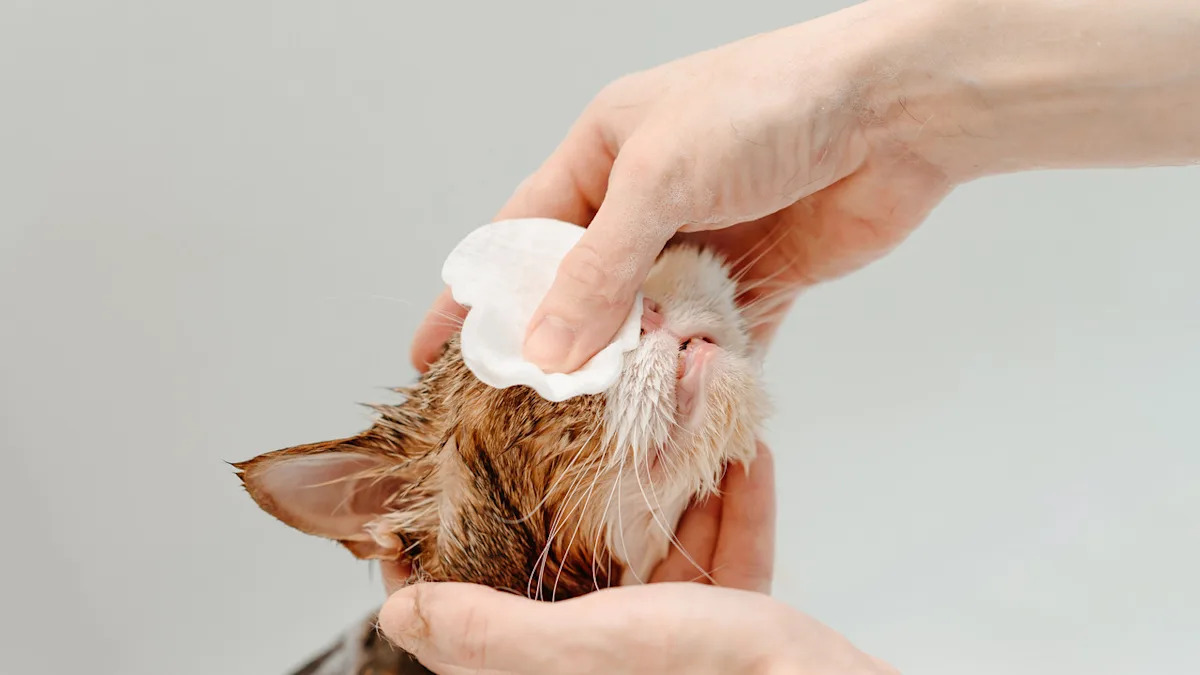
There’s something so sad about seeing a kitten whose eyes have matted shut. While it can be alarming at first, matted eyes are actually a common issue many felines deal with. Though, because it can make a kitten uncomfortable, if your furry family member experiences this, as a pet parent you might be wondering what you can do to help them out. The good news is, there’s a lot that you can do on your own to help your crusty-eyed kitten. In fact, it can often be addressed at home. To inform you on how to handle things when it comes to stuck kitten eyes and kitten eye care in general, keep reading to learn the how to safely clean kitten eyes that are matted shut.
Even though taking care of a kitten with matted eyes can feel stressful and even a little overwhelming, you’re more than capable of helping your cat feel safe, comfortable and loved. With a little patience and gentle care, you can make a real difference in your kitten’s day and even turn a scary moment into a bonding experience. Remember, every small step you take matters, and your kitten will feel the love and attention you give.
Read on to learn the best way to safely clean your kitten’s eyes, according to a vet, and don’t forget to share these tips with other cat parents as well. Your guidance could make a world of difference for both them and their furry friends and let them know that they are cared for and part of your family.
Why Do My Kitten’s Eyes Keep Getting Matted Shut?

A kitten getting eye drops.
If you’re a pet parent to a furry animal whose eyes get matted shut, then you might also be very concerned for their health. While matted eyes are a very common medical issue among kittens, Dr. Julie Hunt, DVM, a veterinarian contributor at Embrace Pet Insurance says it’s best to care for them ASAP as they can be caused by a lot of underlying medical conditions, from common allergies and illnesses to more serious infections.
Cute as they are, Dr. Hunt explains that kittens are often prone to eye infections more so than adult cats. Their eyes and immune systems are still developing, and lots of stress and exposure to germs or irritants can quickly set off an eye infection. A newly-adopted shelter cat or a stray kitten rescued from a life outdoors will often be more susceptible to eye infections and matted eyes than a kitten born and raised in a clean, caring residential environment. That’s why new kitten parents should be aware of some of the most common causes of matted eyes, especially if their kitten is a rescue.
Eye Infections in Newborn Kittens
Keeping kitten eyes clean is an important task as they can be prone to getting eye infections otherwise. Unfortunately, especially if a kitten is in a high-stress environment, such as an animal shelter, they are more likely prone to respiratory and eye infections because of their fragile state.
How To Clean a Kitten’s Matted Eyes

A vet wiping a kitten’s matted eyes clean.
Matted eyes can stem from a more serious underlying condition, and it’s always a good idea to have a vet check your kitten’s eyes out, especially if they’re showing more concerning signs of illness. However, if your kitten has matted eyes but otherwise seems spry and healthy, you might be able to care for them at home. See what Dr. Hunt reveals about how to safely clean your kitten’s eyes without hurting them, below.
Gather Your Supplies
Dr. Hunt recommends prepping all your supplies before you bring your kitten over to clean their eyes, since it’ll save you a lot of time and hassle. Here’s what you’ll need:
-
A bowl of warm water (distilled is highly recommended, since tap water has impurities)
-
Disposable latex or nitrile gloves (technically optional, but recommended to minimize the risk of spreading infection)
Make a Warm Compress
Before you can safely wipe away the crusties sealing your kitten’s eyelids shut, you need to soften them up a bit first. Dr. Hunt recommends doing this by gently applying a warm compress to the eye before wiping.
“When matted shut, kittens’ eyes can be opened by wetting a washcloth with warm water, placing it over the eye, and then as the material covering the eye becomes moist, gently removing the debris, allowing the eye to open,” says Dr. Hunt. “Kittens’ eyes should not be forced open but allowed to open on their own after material has been removed.”
Repeat As Needed
If you need to clean both eyes, wash your hands, change your gloves (if using), and use a different cloth for each one so you don’t transport bacteria from one eye to the other. Also, if you need to wipe the same eye multiple times in one session, use a different cloth/swab each time, as the old one may still have crusties stuck to it that could scratch your cat’s eye.
“It’s important to clean away debris and get the eyes to open at least twice daily,” advises Dr. Hunt. Use this gentle technique to carefully open your cat’s eyes several times every day until their symptoms have subsided.
What Causes Kitten Eyes to Be Matted Shut?
No matter if you have a Maine Coone, a Tabby cat or any other breed, there are several reasons why your kitten’s eyes can be matted shut. Here are the most common causes, via Dr. Hunt.
Conjunctivitis
Conjunctivitis, aka pink eye, is an infection of the conjunctiva, or the thin membrane covering the inner eyelid and the “whites” of an eye. Dr. Hunt reveals it’s caused by viruses, bacterial infections, or exposure to eye irritants, conjunctivitis can appear on its own or as a secondary symptom of another illness or infection, such as the ones we’ll discuss below.
Conjunctivitis can cause pain, swelling, redness, and excessive oozy or pus-like discharge from the eyes. Because conjunctivitis can have so many potential causes (some more serious than others), it’s important to get a vet’s diagnosis. Regardless of the specific cause or treatment regimen, though, gently cleaning your kitten’s eyes several times a day can help alleviate their discomfort during their recovery.
Feline Upper Respiratory Infections
According to our expert, feline upper respiratory infections (URIs) are very common in kittens as well, especially those from shelters or crowded environments where diseases can quickly spread. URIs can be caused by several different viruses and bacteria, but they all typically present with cold-like symptoms such as sneezing, a runny nose, fever, loss of appetite and energy, and watery or sticky eye discharge.
Like respiratory infections in humans, URIs can range from mild to serious, but in most cases, they can be treated at home. While antibiotics or antivirals can be used to treat the illness on the whole, your vet may also prescribe eye medicine to help decrease pain and inflammation until your kitten gets better.
Allergies/Irritants
Exposure to allergens or irritants like dirt or smoke can cause your kitten’s eyes to produce an excessive amount of tears. Though this discharge is clear and watery, it can get crusty as it dries out, which can lead to further discomfort and eye irritation. Luckily, these cases are easy enough to resolve if you can identify and avoid the allergen or irritant, though you should still help your kitten gently clean their eyes afterwards.
Blocked Tear Ducts
Healthy tear ducts are supposed to drain your cat’s excess tears out of their eyes and into their nasal cavity. However, tear ducts that are blocked or haven’t opened properly can lead to something called epiphora, which is an excessive overflow of tears.
Though a blocked tear duct isn’t necessarily a serious condition in and of itself, it can lead to chronic epiphora, which can cause sticky or crusty discharge to build up around your kitten’s eyes, leaving them more vulnerable to eye and skin infections. Treatment for a blocked tear duct can be as basic as giving your cat anti-inflammatory medication or as serious as eye surgery to open their tear ducts, depending on the cause.
When Is an Eye Infection in a Cat an Emergency?
Eye infections in kittens shouldn’t be taken lightly. Signs like tenderness, redness, swelling, or a kitten struggling to eat or grow indicate it’s time to contact a veterinarian, who can prescribe ointments or oral antibiotics if needed. Severe infections can sometimes lead to permanent vision problems, so it’s always better to be cautious and get professional advice promptly. If you’re fostering, most shelters will provide the necessary medications at no cost—it’s part of their responsibility to support you and ensure the kitten gets proper care.
When To Call The Vet

A kitten with pretty blue eyes.
“Kittens who have anything except clear discharge (tears) and kittens who have one or both eyes matted closed should see a veterinarian to determine if a topical antibiotic should be applied to the eyes once they are cleaned and opened,” warns Dr. Hunt. “The debris causing kittens’ eyes to become sealed shut is typically associated with an eye infection. If the infection isn’t treated, it can result in permanent loss of vision or loss of the eye(s).”
Asking a vet when you notice your cat’s eyes are matted shut is never a bad move under any circumstances, but we understand wanting to manage mild eye conditions by yourself—vet bills are not cheap! However, you should always contact a vet ASAP if:
-
Their condition does not improve or even worsens after a couple of days
-
Matted eyes are a chronic or recurring problem
-
Your kitten is excessively pawing at or rubbing their eyes
-
Their symptoms are accompanied by pain and discomfort, lethargy, loss of appetite, swelling, or severe redness
-
You see blood, ulceration, cloudiness, or yellow/green pus-like discharge around their eyes
Additionally, if your cat is diagnosed with a contagious infection, you will have to take extra precautions to ensure that the disease doesn’t spread. Dr. Hunt recommends washing your hands every time after treating your affected cat’s eyes, and keeping them away from other unaffected pets until their symptoms have resolved.
How To Prevent Future Eye Infections

A woman holding a grey kitten.
Kittens need warm, clean and safe environments in which to develop strong immune systems. If you can provide such an environment for your cat, you can bolster their ability to fight off infections and prevent them from developing eye infections and matted eyes altogether. Here’s what our expert advises:
-
Keep Them Warm: Kittens have trouble regulating their body temperature, and they need warmth to sustain a strong immune system. Make sure your cat always has access to a warm, cozy place that they can cuddle down into: a fleece-lined cat house, a covered cat bed, or a big, cushy nest of blankets.
-
Keep Their Space Clean: Kittens can kick clay, dust, and poop out of their litter boxes, roll around in trash, and wrestle with other kittens that are just as messy as they are. Wash their bedding once every couple of days, regularly sweep and vacuum the floor, and generally just try to keep their environment as free of potential contaminants or irritants as possible.
-
Separate Sick Kittens: Infections can spread quickly between cats. If you have a kitten who’s showing signs of a viral or bacterial infection, confine them to a separate area from the rest of their litter and care for them in isolation until their symptoms have subsided.
-
Vaccinate: Kittens should not be brought in contact with adult cats until they’ve been fully immunized. Make sure your kitten gets all their shots, and don’t forget to stay on top of regular vet checkups too.
Common Questions About Cleaning Matted Kitten Eyes

A cute black kitten peeking out of a pink blanket.
Can I Use Anything Besides Water To Clean My Kitten’s Eyes?
If your vet has prescribed a saline eyewash or other liquid treatment, you can use that, but don’t use any eyewashes without your vet’s recommendation. Even if it’s leftover eyewash from another cat, it may not be the right medicine to treat your kitten’s current condition and could make things worse.
As a home remedy, some pet parents also use warm, diluted chamomile tea instead of water for eye compresses. Chamomile tea has naturally antiseptic properties that may help to reduce eye inflammation. However, because chamomile can be toxic to cats in high concentrations, we still recommend asking your vet before using it.
Should I Use Soap To Clean My Kitten’s Eyes?
According to our expert, soap should not be used as soap is an eye irritant and will only make your kitten’s symptoms worse. Warm water, or an eyewash as prescribed by your vet, is all you need to clean their eyes.
Should I Isolate My Kitten From Other Cats in The Meantime?
You definitely should if your cat is diagnosed with (or you suspect that they have) a communicable viral or bacterial infection—especially a feline upper respiratory infection, which can spread like wildfire among pets just like the cold. However, if your cat’s matted eyes stem from blocked tear ducts or general eye irritation, there’s no danger of them spreading it to other pets—though if you’re unsure, it’s always better to be safe than sorry.
Are Certain Kinds of Cats More Prone To Matted Eyes?
While cats of all breeds can get matted eyes (especially as kittens, since their newly-developed eyes are very sensitive), breeds that have flat or “smooshed” faces, aka brachycephalic cats, are more susceptible. Often, brachycephalic cats, such as Persians and British Shorthairs, have malformed tear ducts that cause tears to overflow rather than drain normally, which can lead to discharge building up around the eyes.
Source:
Julie Hunt, DVM, a veterinarian contributor at Embrace Pet Insurance
This story was originally published by PetHelpful on Jan 16, 2026, where it first appeared in the Cats section. Add PetHelpful as a Preferred Source by clicking here.