Showing love to our pets often involves food. An extra scoop here, a few treats there-but overdoing it is one of the most common (and most overlooked) health issues facing pets today.
According to vets, excess weight can shorten a pet’s lifespan and increase the risk of serious health problems, from joint pain to diabetes.
The tricky part? Overfeeding isn’t always obvious at first. Here’s how to tell if your pet might be getting more than they need and what you can do about it.
Disclosure: PetGuide may receive a small affiliate commission from purchases made via links in this article but at no cost to you.

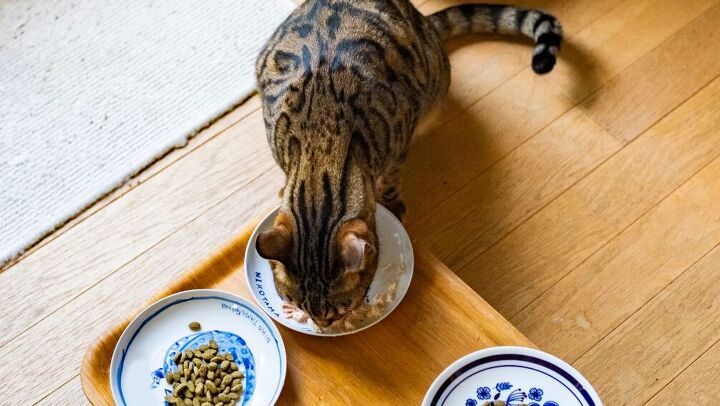
are you overfeeding your pet watch out for these signs, Cat eating image via Canva
Cat eating – image via Canva
Why Overfeeding Happens So Easily
Overfeeding is rarely intentional. Pet food packaging sometimes recommends portions that are larger than most pets need, and treats can add up quickly.
Many pet parents also rely on visual cues to judge a healthy weight-something that’s especially tricky with fluffy coats or naturally stocky breeds.
When you factor in table scraps, multiple family members sharing feeding duties, or a drop in daily activity, excess calories can sneak in quickly.

SIKE Digital Portable Pet Scale
Subtle Signs Your Pet May Be Overfed
1. Weight Gain That Creeps Up Slowly
Gradual weight gain is easy to miss, especially if you see your pet every day. A yearly vet visit might be the first time it becomes obvious. If your pet weighs more than they did six months or a year ago without a clear reason (like growth in a puppy or kitten), it’s worth taking a closer look.
2. You Can’t Feel Their Ribs Easily
A healthy pet should have ribs you can feel with light pressure, without having to dig through a thick layer of fat. If you can’t feel them easily, your pet may be carrying extra weight.
3. Loss of a Visible Waist
When viewed from above, dogs and cats should have a slight inward curve behind the ribs. If your pet’s body looks more oval or barrel-shaped, that’s a common sign of overfeeding.
4. Decreased Energy or Reluctance to Exercise
Extra weight puts strain on joints and makes movement more tiring. Pets who are overfed may seem less interested in walks, playtime, or jumping onto furniture they once handled easily.
5. Digestive Issues
Overfeeding can lead to more frequent stools, loose stools, or gas. Feeding too much at once can overwhelm your pet’s digestive system, even if the food itself is high quality.

are you overfeeding your pet watch out for these signs, Feeding dog image via Canva
Feeding dog – image via Canva
Health Risks of Overfeeding
Carrying extra weight isn’t just a cosmetic issue. Over time, overfeeding can contribute to:
-
Joint and mobility problems
-
Heart and respiratory strain
-
Diabetes (especially in cats)
-
Reduced lifespan and quality of life
Even a few extra pounds can make a significant difference, particularly for small pets.

Wobble Wag Giggle Ball
Helping an Overfed Pet Safely
If you suspect your pet is overfed, don’t panic or drastically cut food overnight.
Instead:
Weight loss should be gradual and monitored, especially for older pets.

are you overfeeding your pet watch out for these signs, Cat image via Canva
Cat – image via Canva
The Bottom Line
Food is one of the simplest ways we bond with our pets-but love doesn’t have to come in extra calories. Paying attention to portion sizes, subtle body changes, and activity levels can make a meaningful difference in your pet’s long-term health.
Small adjustments today can help prevent bigger problems down the road, keeping your pet more comfortable, mobile, and energetic for years to come. When in doubt, your vet is the best partner in creating a feeding plan that supports a happy, healthy life.
Join the PetGuide community. Get the latest pet news and product recommendations by subscribing to our newsletter here.