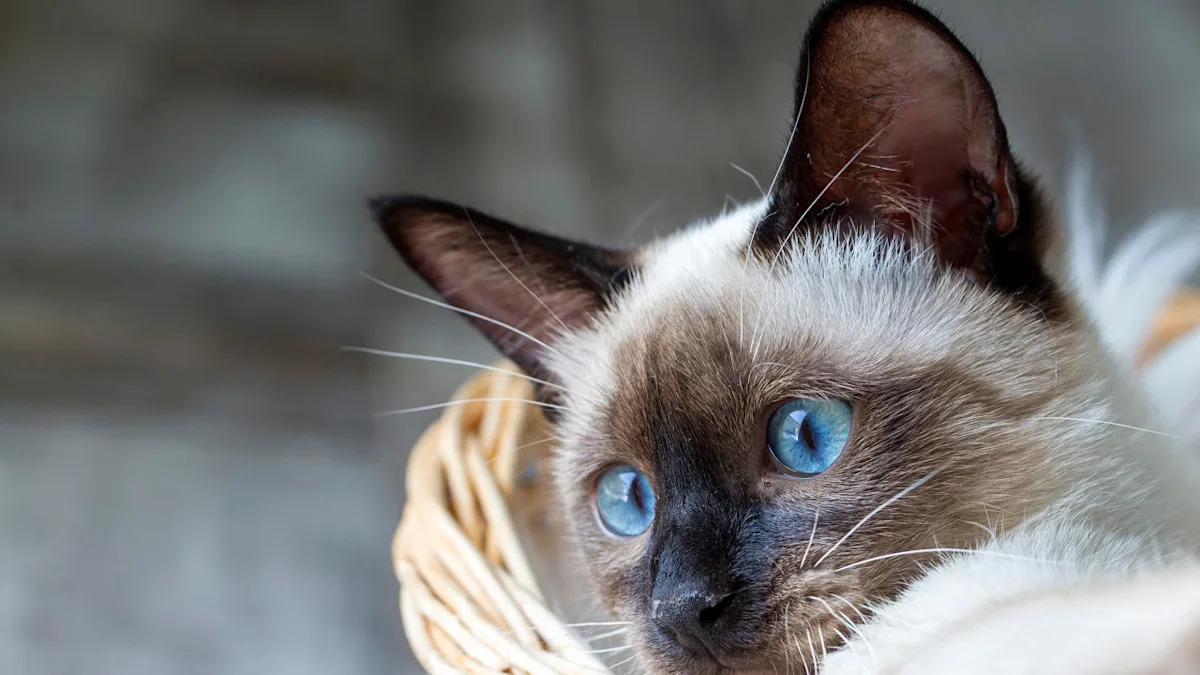
A Siamese kitten is melting hearts on TikTok after forming an unlikely animal friendship with a gentle fawn, creating moments that feel straight out of a storybook. The sweet bond between the two animals has viewers comparing the real-life connection to a Disney movie come to life. The audio sample from Bambi really is the icing on this charming cake and serves as a dreamy soundtrack for the adorable clip.
From what I can tell by watching (ok, binging) other videos on The Antler Co.’s TikTok account, this kitty is one of two growing up in a fairytale-like setting where feline-deer friendships seem completely normal. Not to mention the Golden Retriever-deer friendships— and even human-deer friendships — that regularly appear on the page. My only question is: how do I get invited to this fabled farm?!
The comments are full of people “fawning” over this duo, with one admitting, “Omg I’m crying.”
“Idk what I’d do if I saw this in real life,” echoes another.
I completely agree. It might be too much for my Disney adult heart to take.
Related: Mini Highland Cow Cattle Drive Is Just the Cutest
Fawn Facts
Our perceptions of baby deer are undoubtedly informed by animated images, but fawns are not as fragile and helpless as they are portrayed. Fawns are fast, independent creatures who grow quickly into majestic adults.
Most white-tailed deer babies (like the one in this video) arrive in May or June and weigh just six to eight pounds at birth. Fawns can stand and walk within hours of birth and run well within days. By two weeks old, they’re already impressively quick — and built to escape danger. They can also reach nearly ten times their birth weight by their first winter.
Seeing a fawn alone in the wild isn’t cause for concern. Mother deer intentionally leave their fawns while they forage. Newborns instinctively lie still, blend into their surroundings with their spotted coats, and give off very little scent — all smart survival tactics. If a baby deer looks healthy and is resting quietly, it does not need help. Mom is nearby and will return to nurse several times a day.
Female fawns usually establish home ranges near their mothers, while males typically leave around one year old to find new territory. Older, healthy does often give birth to twins — and sometimes triplets — especially in areas with abundant food.
🐶SIGN UP to get “pawsitivity” delivered right to your inbox with inspiring & entertaining stories about our furry & feathered friends🐾🐾
This story was originally published by Parade Pets on Feb 3, 2026, where it first appeared in the Pet News section. Add Parade Pets as a Preferred Source by clicking here.