The post Why Do Some Animals Eat Poop? The Mystery of Coprophagy Explained appeared first on A-Z Animals.
Quick Take
-
Preventing a second digestive pass in rabbits guarantees severe nutrient deficiency and poor gut health.
-
Coprophagy is observed in a significant proportion of adult dogs—some studies suggest up to 50% have engaged in the behavior at least once.
-
While persistent coprophagy can sometimes indicate underlying medical issues or parasites, it is most often considered a behavioral issue.
-
Consuming waste is a high-efficiency survival strategy rather than a sign of biological desperation.
-
Koala Joeys must ingest pap at 6 months to survive the transition to toxic foliage.
For humans, feces are last on the list of things we’d place near our mouth. In the animal world, that reaction does not always apply. Coprophagy is the act of eating feces, and for many species it plays a practical role in survival. Animals may gain extra nutrients from food that was only partly digested the first time, reintroduce helpful microbes into the gut, or reclaim water in dry environments.
This behavior looks unpleasant to humans, but it often reflects efficiency rather than desperation. In wild systems, energy and nutrients are limited, and wasting usable material can be costly. For pets, however, coprophagy can signal health or behavioral issues that deserve attention. Understanding why animals practice it helps separate normal biology from potential problems.
Defining Coprophagy
Coprophagy, sometimes called coprophagia, refers to the consumption of feces, whether an animal eats its own droppings or those produced by another individual. When an animal eats its own feces, scientists often use the term autocoprophagy. When feces come from another animal of the same species, the behavior can be described as allocoprophagy. Some animals also consume droppings from entirely different species.

Horses are among the animals that practice coprophagy.
©Vlue/Shutterstock.com
(Vlue/Shutterstock.com)
Researchers have documented coprophagy in insects, rodents, rabbits, horses, primates, and domestic animals such as dogs. While people often label the behavior as filthy, it usually develops as an instinctive response to dietary limits or environmental pressure. For many species, eating feces supports normal growth and digestion rather than reflecting illness or poor hygiene.
Whose Feces Do Animals Eat?
Not all animals eat feces indiscriminately. Many species show strong preferences for certain types of droppings. Rabbits and guinea pigs usually consume only their own specially produced pellets, which appear at times when nutrient content is highest. They rarely eat random feces from the environment.
Dung beetles often prefer herbivore droppings because it still has a lot of undigested plant material in it. Carnivore feces generally offer fewer usable nutrients and are often ignored. Most dogs that eat feces prefer those from other dogs or other species, such as cats, rather than their own stool.
Rabbits and Hindgut Fermenters
Rabbits are often used as the textbook example of coprophagy, and their behavior shows how specialized this strategy can be. They are hindgut fermenters, meaning plant fiber is broken down by bacteria in a pouch called the cecum, located after the small intestine. This process produces soft, nutrient dense pellets known as cecotropes.
Instead of discarding these pellets, a rabbit consumes them directly as they are produced. This second pass through the digestive tract allows the animal to absorb protein, B vitamins, and minerals that were not accessible during the first digestion. Research shows that rabbits prevented from eating cecotropes develop nutrient deficiencies and poor gut health, which demonstrates that coprophagy is essential rather than optional.
Guinea Pigs and Other Small Mammals

Re-eating special soft pellets helps guinea pigs absorb extra vitamins and helpful bacteria from their plant-based diets.
©Weiming Xie/Shutterstock.com
(Weiming Xie/Shutterstock.com)
Guinea pigs, chinchillas, hamsters, and several other small herbivorous mammals use a system similar to rabbits. These animals also produce two types of feces, with softer pellets designed for reingestion. The soft pellets contain higher levels of vitamins, beneficial bacteria, and easily absorbed nutrients compared to the firm droppings left behind.
By eating these pellets, small mammals supplement diets based on grasses and plant matter that may otherwise lack certain nutrients. Studies on guinea pigs show that blocking access to their soft feces alters the gut microbiome and interferes with normal growth. What looks unpleasant to people is actually a precise adaptation that keeps these animals healthy on fibrous diets.
Koalas and Microbe Transfer
Koalas provide another clear example of coprophagy supporting survival during early life. Young koalas, called joeys, rely entirely on milk at first and cannot digest eucalyptus leaves without specialized gut bacteria. Around six months of age, as a joey begins transitioning to solid food, it consumes a substance known as pap, which is produced by the mother.
Pap is a soft, semi liquid form of fecal material that contains the microbes needed to break down eucalyptus toxins and fiber. By consuming pap directly from the mother, the joey seeds its digestive system with the bacteria required for adult digestion. Without this transfer, eucalyptus leaves would be harmful rather than nourishing. This process is a normal stage of koala development and shows how feces can function as a biological tool rather than waste.

Koala mothers feed fecal material to their joeys to transfer microbes needed to digest eucalyptus leaves.
©Alizada Studios/Shutterstock.com
(Alizada Studios/Shutterstock.com)
Horses and Large Herbivores
Coprophagy is less common in adult horses, but it still appears during certain life stages. Foals commonly consume their mother’s feces during the first two months of life, a behavior that helps seed their gut with beneficial microbes needed for healthy digestion. This behavior helps seed the developing gut with microbes needed to digest grass and hay later on.
Some other large herbivores show similar patterns early in life. While adult animals usually rely on established microbial communities, early exposure through feces can speed digestive development. In these cases, coprophagy acts as a form of biological inoculation rather than a long-term feeding strategy.
Dung Beetles and Insects
For dung beetles and many other insects, feces serve as a primary food source rather than a supplement. These insects locate fresh droppings, feed on the remaining plant material and microbes, and often use dung as a nursery. Eggs laid inside dung balls give larvae immediate access to food when they hatch.
This behavior does more than support beetle populations. By burying and breaking down feces, dung beetles reduce fly populations, enhance plant growth, and accelerate nutrient cycling, thereby improving overall soil quality. Their feeding habits support pasture health and benefit larger ecosystems, showing how waste products can become valuable resources in nature.

Dung beetles use feces of other animals as a primary food source.
©Boris Edelmann/Shutterstock.com
(Boris Edelmann/Shutterstock.com)
Coprophagy in Dogs
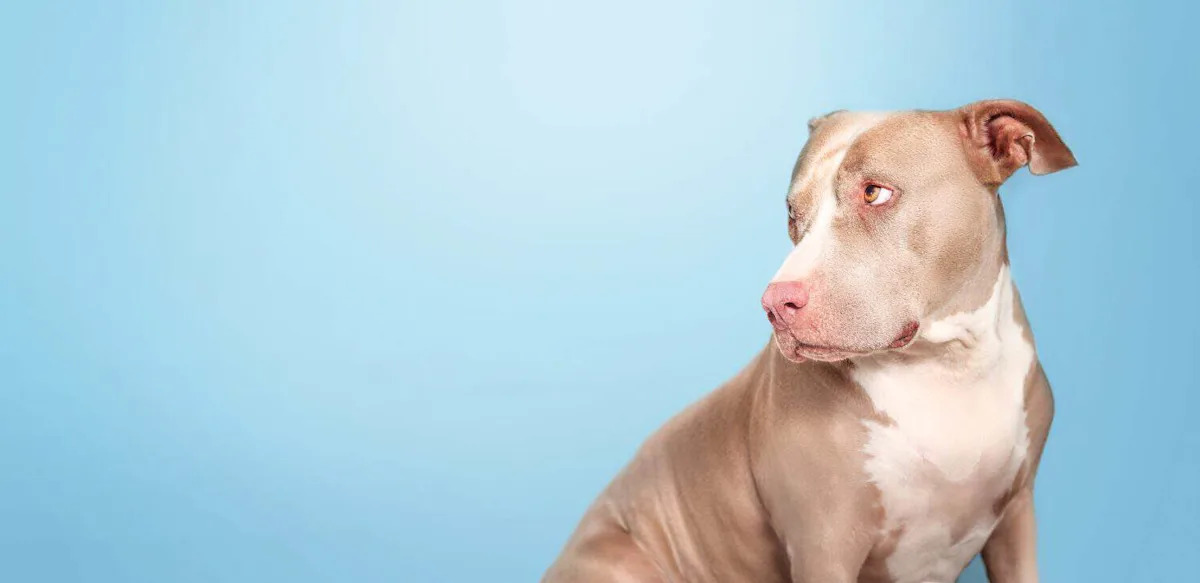
In dogs, coprophagy sits at the line between normal behavior and cause for concern. Mother dogs routinely eat their puppies’ feces to keep the nesting area clean and reduce odors that might attract predators. Puppies often explore feces during early development, and many stop as they mature.
A 2012 study found that approximately 16% of adult dogs were frequent coprophagists, defined as eating stools at least six times. However, persistent coprophagy can point to medical issues such as intestinal parasites, poor nutrient absorption, diabetes, thyroid disorders, or side effects from medications that increase appetite.
When Is It a Problem in Pets?
In addition to nutritional issues, a pet might consume feces out of stress, anxiety, boredom, or frustration with confinement. It can be an outlet they turn to when they don’t have enough physical activity or mental stimulation. But because feces can contain parasites, bacteria, and viruses, repeated consumption raises health risks for animals not evolved to handle those exposures.
Veterinarians often consider poop eating concerning when it appears alongside weight loss, vomiting, diarrhea, or changes in appetite. If your dog develops this behavior suddenly or it becomes frequent, or comes with any of these side effects, talk to your vet about it.

When poop eating happens often in pets, veterinarians may check for stress, illness, or digestive problems.
©hedgehog94/Shutterstock.com
(hedgehog94/Shutterstock.com)
Preventing Coprophagy in Pets
Prompt yard cleanup, supervised bathroom breaks, and training cues such as “leave it” can reduce opportunities. Positive reinforcement works better than punishment, which can increase anxiety and worsen the behavior. Adequate nutrition, regular exercise, and mental enrichment also lower the likelihood of stress related coprophagy.
Rethinking a Taboo Behavior
Coprophagy rarely becomes pleasant to think about, but learning why it exists provides insight into animal survival. For herbivores and insects, eating feces can unlock nutrients and support digestive health. For pets, it often signals an issue that deserves attention rather than dismissal.
By separating normal adaptations from warning signs, owners and researchers can respond appropriately. What seems repulsive on the surface often turns out to be a practical response to the challenges of life in the wild.
The post Why Do Some Animals Eat Poop? The Mystery of Coprophagy Explained appeared first on A-Z Animals.