Parade Pets and Yahoo may earn commission from links in this article.
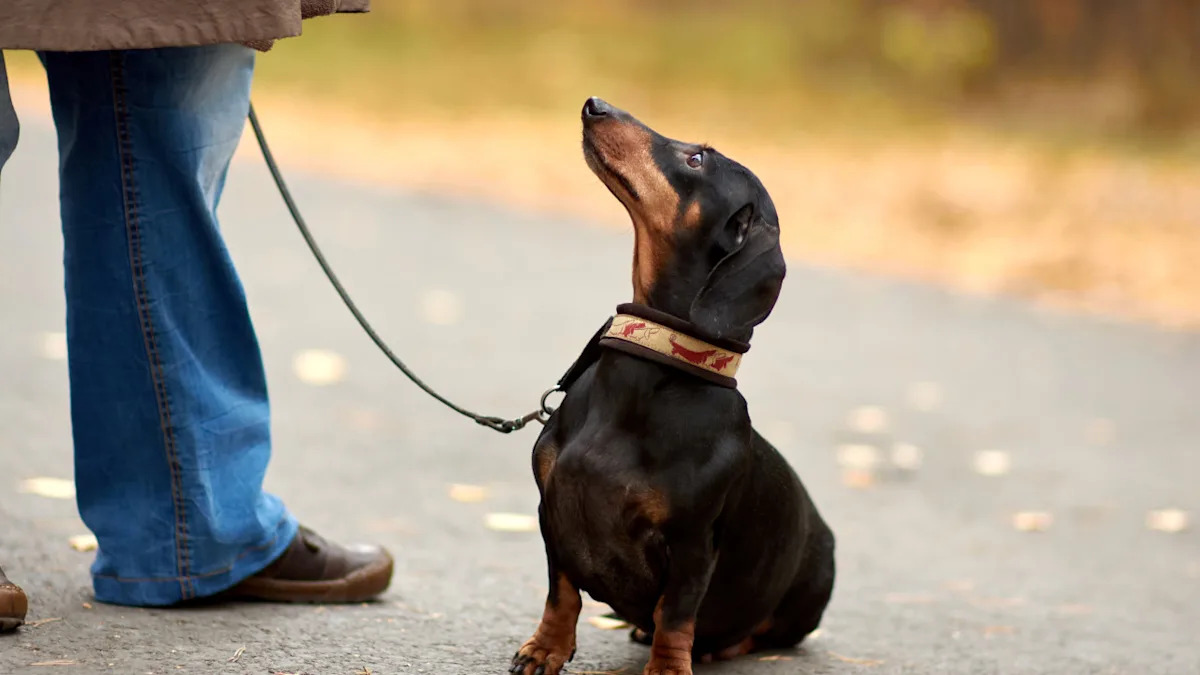
It’s a big world for Thumper, a Miniature Dachshund puppy, and the joyful enthusiasm he has for his very first walk on the leash is the kind of energy we all need. Sporting a wee blue harness and barely clearing the sidewalk on his tiny legs, Thumper bounces along, his humans coaxing him with treats along the way. A rock here, and a crack there, and discoveries abound for this adorable Doxie, even during the short “sniffari” he enjoys in this clip.
“So much to explore!!” said one happy viewer.
Thumper does well for his first formal walk with his parents, and it looks like they know what they’re doing when it comes to leash training the young Doxie. We’ve rounded up some best practices so your canine can be as successful as Thumper.
Related: Golden Retriever’s Refusal to Leave the Park Is So Sad, It’s Funny
Leash Training 101
Many people assume dogs naturally know how to walk politely on a leash, but it’s actually a learned skill. Leash walking is a human expectation, not something dogs instinctively understand, which is why a little training goes a long way toward making daily walks more enjoyable for everyone involved.
Leashes are important for safety and are required in many public places, but they also give dogs the opportunity to explore the world alongside their humans. A dog that feels comfortable on a leash is less likely to develop stress or frustration while walking, which can sometimes lead to behaviors like pulling, lunging, or barking.
The key to successful leash training starts with positive associations. Begin by letting your dog get used to wearing a collar or harness and leash during relaxed moments at home. Pair the experience with treats, praise, and playtime so your dog learns that leash time means good things are about to happen.
Next, introduce a simple cue or marker, such as a clicker, a sound, or a word like “yes,” that tells your dog they’ve done something right. When your dog turns toward you or walks a few steps beside you, reward them immediately. Short, upbeat training sessions work best since dogs learn more effectively when they’re engaged but not overwhelmed.
Many trainers recommend practicing the basics indoors or in a quiet backyard before heading outside, where new sights, sounds, and smells can be distracting. Once your dog understands the concept, gradually move training into calm outdoor areas before tackling busier environments.
If your dog begins pulling, avoid yanking the leash. Instead, simply stop walking and wait until the leash relaxes before continuing. This teaches your dog that pulling doesn’t move the walk forward — staying close to you does.
It’s also important to remember that walks shouldn’t feel like constant obedience drills. Dogs benefit from having time to sniff and explore (like Thumper), which provides valuable mental stimulation. Many trainers recommend a balance between short periods of structured walking and moments where your dog is free to investigate the world around them.
🐶SIGN UP to get “pawsitivity” delivered right to your inbox with inspiring & entertaining stories about our furry & feathered friends🐾🐾
This story was originally published by Parade Pets on Mar 16, 2026, where it first appeared in the Pet News section. Add Parade Pets as a Preferred Source by clicking here.