The post Pets That Seem Easy But Secretly Require More Work Than You Think appeared first on A-Z Animals.
Quick Take
-
Many pets marketed as “easy” actually require specialized care, time, and financial commitment.
-
Small animals like goldfish and hamsters often have complex needs that are frequently overlooked.
-
Choosing the wrong pet can lead to stress for families and poor outcomes for the animal.
When families start thinking about introducing a pet into their home, they usually consider those that the internet says are easy. They want a pet that will be affordable and requires very little maintenance. If possible, they’re looking for a pet that even their kids can take care of on their own.
However, before you jump in and buy a new furry or scaly friend, we advise that you do further research. There are many pets people believe are easy to care for because of their size or the stories they’ve heard. The reality is that some of the “easy” pets are more complicated than you may think. Many of the creatures on this list require extensive set-ups, expensive food, and constant attention. Don’t get us wrong—these are still great pets, but you should carefully consider this advice before visiting the pet store.
Why Some Pets Are Mistaken as “Easy”
How does the misconception that some pets are easier than others begin? For starters, many of the animals on this list are small. While it may seem that smaller animals require less care, they are often more sensitive to environmental changes and actually need more attention.
There’s also a marketing angle to consider. Pet stores often oversimplify care by selling tanks or cages marketed as starter kits. The idea is to sell you everything you need at once, but they’re only telling you part of the story. Many pets are even marketed directly to children, like the goldfish many kids have in movies or the social media posts featuring hamsters and other small creatures doing neat tricks. However, the videos rarely show the care required behind the scenes. The key is to do your research, especially for the animals below.
Goldfish
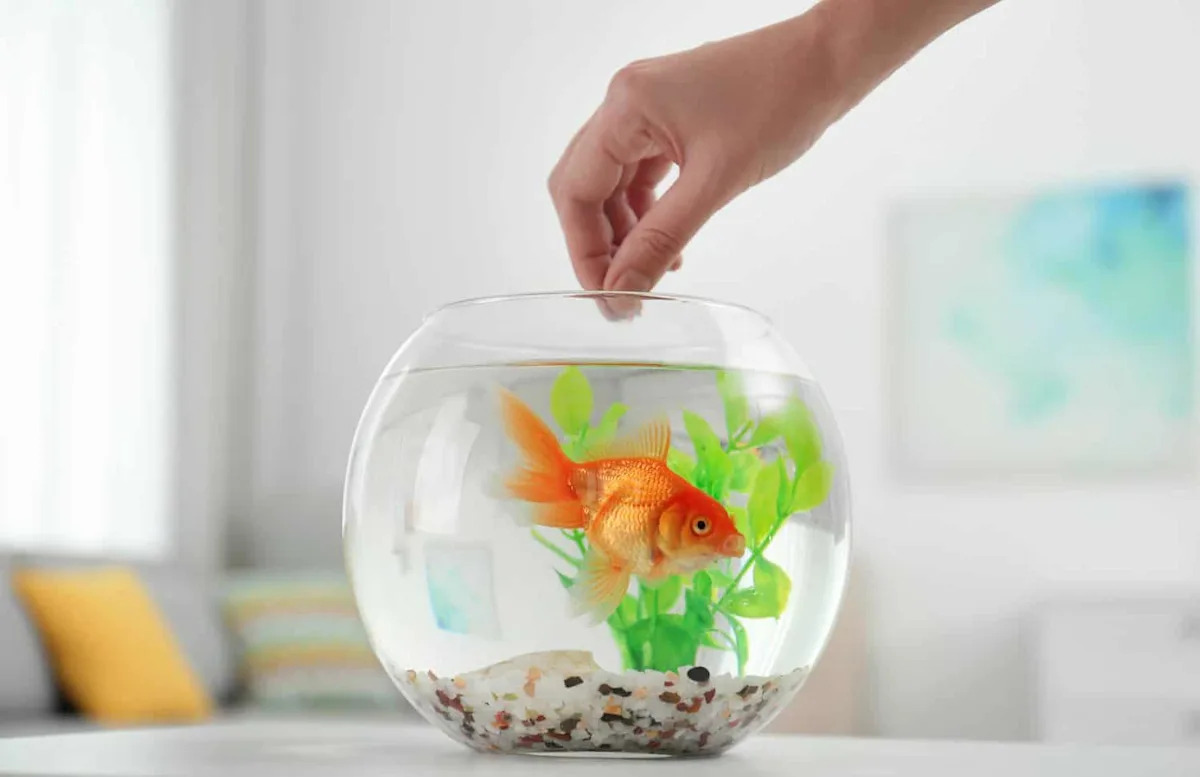
Many movies and TV shows will show a single goldfish swimming around in a small, round, glass tank on the counter. It’s a nice scene, but it’s only part of the story. In fact, they are among the more misunderstood aquarium animals. Though they may start small, some varieties of goldfish can grow up to 10 inches long and live up to 15 years with proper care.
The fish bowls that you see in commercials are typically only a temporary home. Goldfish need space to move around, and they produce a large amount of waste. Everything considered, a single goldfish may require a tank holding 20 gallons or more.
Plus, you’ll need to pay attention to your new pet, as their tank may also require strong filtration, regular water changes, and consistent monitoring of the water quality. Goldfish can live a long time, but they can get sick easily, so keeping tabs on them is key. Your child may not be able to handle the responsibility alone.
Hamsters

Ask many people about one of the most popular and notable of the pets that sound easy, and they often mention a hamster. After all, they’re often seen in school classrooms and movies, living in small rectangular cages and entertaining themselves. When you get hamsters at the pet store, they’re often sold with those starter kits that make care and maintenance look like a snap.
However, there is additional information you need to know. First, there’s more to the cost of owning hamsters than most people realize. Even if you get the starter kit, you’ll still need to purchase deep bedding materials for burrowing, exercise wheels, and other toys for enrichment. There’s plenty of cleanup for hamsters, so they are certainly not a pet that you can feed and forget about.
It’s also worth noting that hamsters are primarily nocturnal and are most active at night. So, if you’re getting your kids a pet to interact with during the day, they may find their hamster sleeping when they want to play. It’s an important fact to consider that isn’t often mentioned.
Rabbits
Visit a friend who may have a rabbit, and you’ll likely see the furry friend sitting quietly in a cage, but that’s not what you’ll experience if you get one as a pet. You’ll need more space for a rabbit so it can move around freely. Even medium-sized rabbits will need an enclosure that’s at least 24×30 inches to 30×36 inches, and some sources say they need a cage no smaller than 4 feet long, 2 feet wide, and 4 feet tall.
Although Bugs Bunny is often shown eating only carrots, real rabbits have a much more complex digestive system. You’ll need to shop for a diet that’s nutrient-dense and contains a variety of foods, including hay, pellets, treats, vitamins, and water. Depending on the type of rabbit you get, you may need to invest significant time in grooming and managing hairballs. Long-haired rabbit breeds require daily brushing, and all rabbits need their nails trimmed at least once per month. They should also be let out of the cage for 3-5 hours of daily exercise. So, owning a rabbit does require a fair amount of work.
Finally, rabbits need a lot of attention. Experts recommend keeping rabbits in pairs to provide constant companionship and help prevent illness and depression. So, although a rabbit may seem easy at first, you may soon have your hands full.
Guinea Pigs
Guinea pigs are also frequently mentioned as pets that seem easy to care for. However, it’s worth noting that, like rabbits, guinea pigs are very social creatures, so you may find you have two or more living in your home before you know it. There are also several hidden costs involved. This pet needs a large cage with plenty of room to roam. You’ll constantly want to purchase fresh hay for them to consume and plenty of vitamin C-rich foods. Without the proper nutrition, guinea pigs can develop serious health conditions like scurvy, so constant attention is needed.
You may be considering getting a guinea pig as a pet that can live in a cage in your child’s room, thinking your child can take care of it. However, be cautious with this assumption. Due to their need for daily care, handling, and social interaction, guinea pigs require an adult as their primary caretaker. Teens and adults should handle guinea pigs most of the time, as dropping them can result in serious injuries.
Finally, while guinea pigs are somewhat self-sufficient, they do have some grooming and health needs. They’ll need to be checked daily for any fecal matter stuck to their bodies and spot-cleaned as necessary. Their nails should be trimmed at least once per month. You’ll also need to monitor their teeth, as guinea pig teeth never stop growing. To keep them manageable, guinea pigs must gnaw on hay and treats, so you’ll need to provide these items regularly.
Reptiles
You’ll often see reptiles such as snakes, geckos, and bearded dragons listed as beginner pets. However, while you may assume that reptiles are easy pets that simply stay in their cages without much care, this is not the case. There is a reason reptiles are listed among the pets not recommended in schools by the Centers for Disease Control and Prevention. In addition to the fact that some reptiles may bite, they also require a massive commitment of space, time, and money that even some schools can’t afford.
In fact, reptiles often require more care and maintenance than most people realize. For example, many people overlook the fact that snakes eat pre-killed rodents—a responsibility not all potential pet owners are comfortable with. Snakes also require strict environmental controls that you’ll need to stay on top of every day. Plus, snakes can live up to 30 years, so you’ll have a long-term commitment.
Many people like the idea of having lizards as pets, but different lizard species have unique dietary requirements that you may not be aware of. Geckos, chameleons, and bearded dragons primarily feed on live insects. Are you ready to supply those needs on a regular basis? You’ll also need to set up a reptile enclosure properly, ensuring they can bask in light, climb, exercise, and maintain a consistent day-and-night cycle.
Birds

Birds may seem like simple animals that can care for themselves, but they actually require constant attention.
©Oleksandr Filatov/Shutterstock.com
(Oleksandr Filatov/Shutterstock.com)
For years, movies and TV shows have made it seem like birds are very simple creatures with few needs. You’ll often see them in small cages, appearing to occupy themselves, but there’s much more to their care. Before you start pet shopping, you should know that some birds require more work than others. Cockatoos, macaws, and African greys are popular, but they require extensive care and can live up to 60 years.
Good beginner birds include finches and canaries, but they still need daily care. Finches have a very high metabolism and can become seriously ill if left without food for just 24 hours, so someone in your family must ensure they are fed regularly. When eating and playing, finches and canaries can be incredibly messy, so you’ll need a larger cage than you might expect. Even with a large cage, food and feathers may still escape, so frequent cleaning will be necessary.
You’ll also need someone to keep an eye on your birds throughout the day. You’ll need to keep them stimulated with toys and pay attention to their physical needs. If you ever see issues, you’ll need to take them to an avian veterinarian. Birds also make a lot of noise and wake up early, so you’ll need to mentally prepare yourself and your kids for that fact.
Chinchillas
Families often choose chinchillas as a first pet because they’re cute, soft-furred rodents that appear to be simple and unique animals. However, once you have one, you’ll find that they require very specific care. It’s important to know that chinchillas have only been kept as pets relatively recently. So experts are still learning how best to care for them, which means you’re likely in for a challenge.
Chinchillas are quite unique animals. Since they can jump up to 6 feet, their enclosure must be at least 4 feet wide and 3 feet high. That enclosure will require numerous accessories. They’ll need plenty of toys for enrichment, sand trays for their required dust baths, and up to two inches of high-quality bedding that’s safe if ingested. You’ll also need to stay on top of the temperature of their home environment. A temperature above 75 degrees can lead to heat stroke. They also require a living space with humidity below 50%.
It’s also important to note that chinchillas aren’t always considered kid-friendly. Chinchillas may try to bite if they are scared or startled when you reach into their enclosure. They have very sharp teeth that can cause serious injury, so chinchillas should not be handled without proper supervision.
The Emotional Cost of Choosing the Wrong Pet
Yes, though many pets seem easy, the reality is that extensive research is necessary before bringing a new pet into your home. You must be responsible and know what you’re doing for the good of your family and the pet. Some issues associated with choosing the wrong pet include:
-
Animals become ill due to improper environments
-
Children lose interest when care becomes complicated
-
Parents become overwhelmed with unexpected responsibilities
-
Pets are surrendered or abandoned
Finding out too late that you chose the wrong pet can be especially tough on young children, who can form attachments quickly. Before getting a pet, learn how long it can live, the type of habitat it requires, the diet it consumes, how fragile the animal is, and who in your family will be responsible for care. With all that in mind, if you find the right pet, you can enjoy a faithful companion for years to come.
The post Pets That Seem Easy But Secretly Require More Work Than You Think appeared first on A-Z Animals.