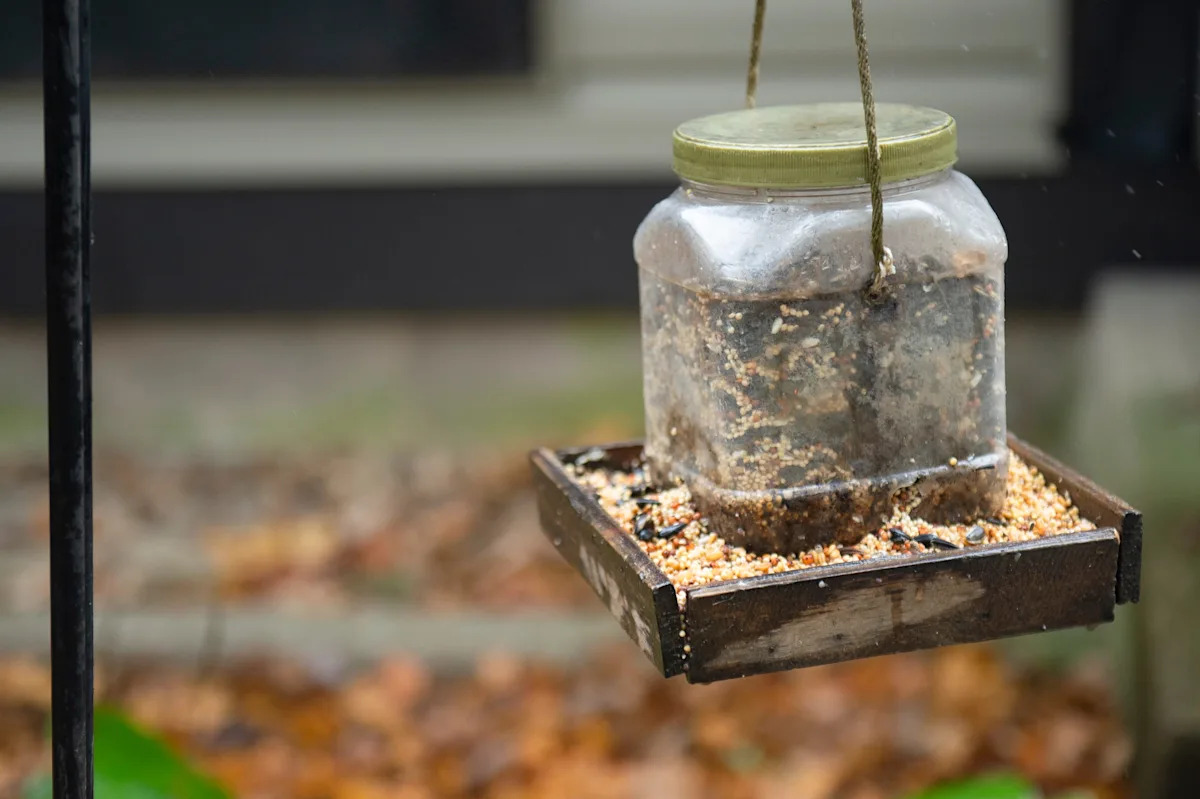
Our bird population in southwest Ohio is very diverse. We have many species that live here year-round. We also have migratory species. These are the species that head south for the winter.
The food sources available to the birds can be limited in most areas. Here are some suggestions for some plants you can add to the landscape to help the birds prepare for and survive the winter.
Aronia ‘chokeberry’
These native plants are members of genus that includes several varieties. They have either black or red berries. They have a vibrant bright red and orange fall foliage.
Viburnums
This is a large family of shrubs with many varieties to choose from. Many varieties of viburnums are also native to our area. They are great for supporting wildlife, especially birds.
Winterberry holly
This is a deciduous variety of Holly. After the leaves drop from the shrub, the stems are covered with bright red berries. The fruit is attractive and abundant for the birds.
Flowering crabapples
This is a large family of trees with several different varieties to choose from. They have somewhat of a bad reputation because older varieties dropped fruit and were messy. The newer varieties hold their fruit into the winter. As the fruit is held the birds will clean it off through the winter.

It is important that you fill your feeders with the right type of bird seed.
Fill your feeders with the right seeds
The resident species of birds that live here year-round will need to eat heavily in the fall to build fat reserves needed for them to survive the winter. The natural food provided by these plants is limited and will be depleted. To give the birds the additional support they need you should consider placing a bird feeder, or two in your yard.
Bird feeders are also essential for the support of migratory birds. These birds need to visit feeders or food energy needed during their trip south.
It is important that you fill your feeders with the right type of bird seed to accomplish these purposes. The best types for fall feeding are those that have a lot of protein and fat packed inside of each bite. Sunflower seed, peanut hearts and safflower seed are the best option for most birds.
For many species, especially finches, thistle seed is also a good option. If you choose to buy mixed seed, look for those with high percentages of sunflower seeds, nuts and safflower seeds inside.
Suet cakes are also very useful if the fall. These are completely different than simple bird seed. These are lard filled blocks or triangles filled with other bird friendly ingredients. They are great for the fall because they are especially effective in helping the birds build their fat reserves.
Keep the squirrels away!
The most frustrating challenge when it comes to bird feeding is the squirrels. To keep squirrels away, it is best to hang feeders on a metal pole in an open area in the yard. The feeder should be at least five feet off of the ground. A cone shaped baffle over the feeder is a good second line of defense. The feeder should also be at least ten feet from any tree, shrub, or structure that the squirrel can use as a launching point toward the feeder.
You can do all of this and still have problems with the squirrels. In this case, you may want to consider ending the competition for the food. Put out a squirrel feeder in a different part of the yard and keep it stocked.
Maintain the feeders throughout winter
Keep your feeders up and full through the winter. Continue this into the spring because the migratory birds will again be returning. Feeding the birds is very entertaining as they are fun to watch. It is also very satisfying knowing that you are helping the birds survive and give back to the environment.
This article originally appeared on Cincinnati Enquirer: Why bird feeders are even more important in the winter