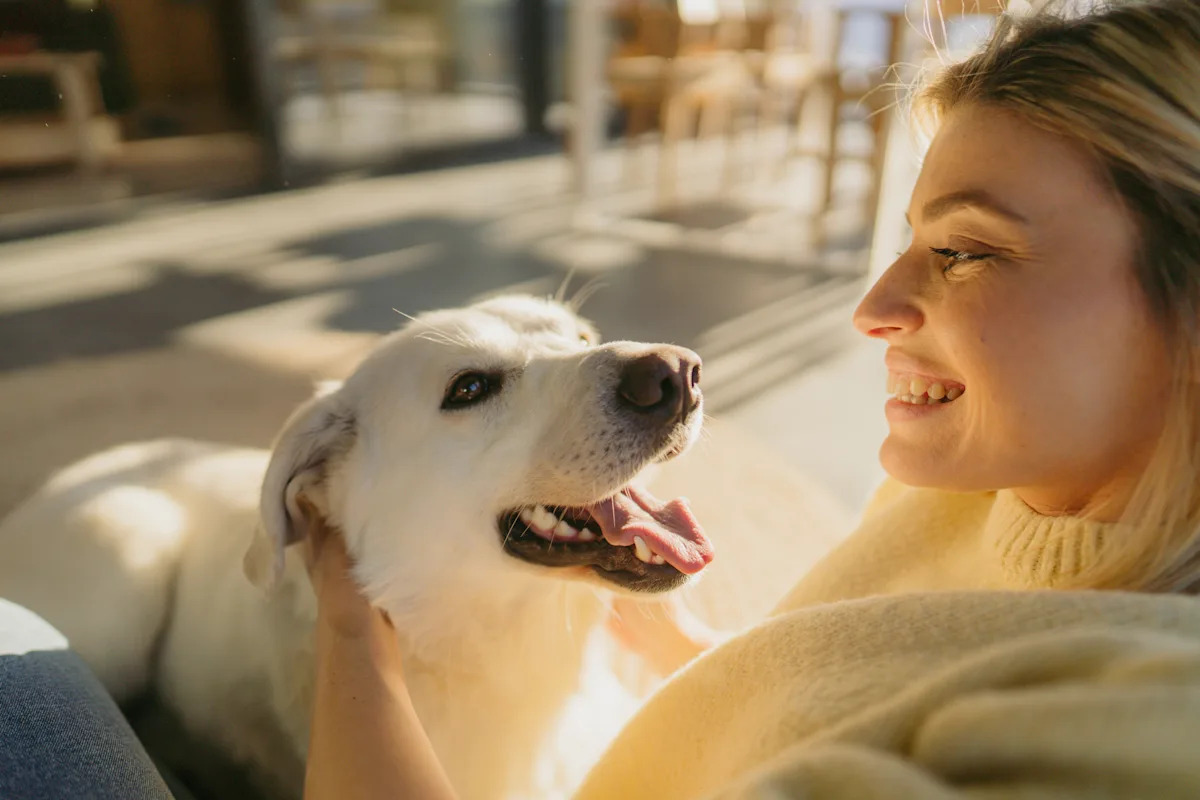
We are living in an age of rapid transformation. In today’s era, the traditional definition of family is undergoing a very significant transformation. The suburban dream is becoming increasingly popular among Millennials and Generation Z. For the previous generations, it was a rosy little world, complete with a white picket fence, 2 to 5 kids, and a dog in the yard. This has been replaced by a new, more attainable, and deeply emotional reality. And it’s none other than the ‘fur baby.’
Dogs are not just pets anymore. They are, in every meaningful way, the new ‘kids.’ They are a part of the family for a generation facing unique economic, social, and psychological realities.
A 2026 survey by Rover found that while 94% of pet parents see pets as essential to personal fulfillment, younger generations are integrating them more deeply into everyday life and decisions.
This is why dogs have become the new children for Millennials and Gen Z.
The Economic Reality of ‘Fur-Parenthood’
Raising a human child is quite daunting and also a long-term financial commitment. We have rising student loan debt, exorbitant housing costs, and the staggering price of childcare. With all this, for many young adults, parenthood can feel financially challenging. Pets offer a much more affordable alternative that still provides the opportunity to nurture and care for another life.

We all know that pet ownership is not exactly cheap. Especially in today’s age. Younger pet parents are investing in organic food, pet insurance, and high-quality healthcare. But it is still far less expensive than childcare. Raising a human to adulthood requires a whole lot of care.
Millennials are, however, redefining pet spending. And many of them are prioritizing their dog’s well-being over their own disposable income.
Flexibility and Lifestyle Freedom
Millennials and Gen Z value freedom a lot, sometimes over everything else. They require the ability to move for a new job, travel spontaneously, or change their life direction. And all this needs to happen without long-term, inflexible obligations.

Dogs provide deep companionship and unconditional love. They are easier to transport and fit better into smaller city apartments. They generally require a different level of long-term commitment compared to raising children.
This ‘flexibility’ is key. A dog allows a young professional to nurture a caregiver instinct while still focusing on career development or personal aspirations.
The Mental Health ‘Safety Net’
These generations are more vocal about mental health and personal well-being than any before them. This is a fast-paced digital world often marked by loneliness and anxiety. Here, pets provide an immediate, calming therapeutic presence.

Dogs are known to reduce stress and anxiety, thereby offering a non-judgmental, constant source of love.
The ‘fur-parent’ relationship offers emotional fulfillment. This fills a void, providing comfort in challenging times. And they come without the complex, sometimes overwhelming emotional labor required in human relationships.
Rewriting the Family Structure
There is a cultural shift in how younger people view pets. The pandemic has greatly accelerated this by allowing many people to spend intense, quality time with their pets. This solidified the view of pets as ‘family members,’ rather than pets in the traditional sense.

Millennials and Gen Z are bringing their dogs into their routines. This includes celebrating pet birthdays, buying high-end products, and taking them on vacations. Pets act as the ‘firstborn’ in many relationships. This may influence how some individuals approach long-term life decisions.
An Alternative Definition of ‘Legacy’
For many young adults, the traditional milestones of marriage and children are being delayed or questioned. However, investing in a dog provides an outlet for nurturing instincts.

This is done without having to fit into an outdated societal mold. It is about creating a fulfilling, emotionally rich life that works on their own terms.
Conclusion
Dogs are no longer confined to the kennel or the living room. They have now moved to the bed and share the very core of their owners’ living space.
They are also accompanying their owners on hikes and tours. And with the huge and fast-growing market for pet care products, we can safely say that ‘dogs are the new kids.’