For the majority of people, a dog is a companion. It can even be a family member and a beautiful hiking partner. But in the world of the ultra-wealthy, certain dog breeds are much more than pets. They are status symbols. They are ancient artifacts of living history and high-maintenance investments.
When we talk about ‘expensive’ dogs, we aren’t just talking about a high adoption fee. We are talking about breeds that require specialized diets and insurance premiums that will cost you a small fortune.
Here is an exploration of the breeds that define the pinnacle of canine luxury.
The Tibetan Mastiff: The Million-Dollar Guardian

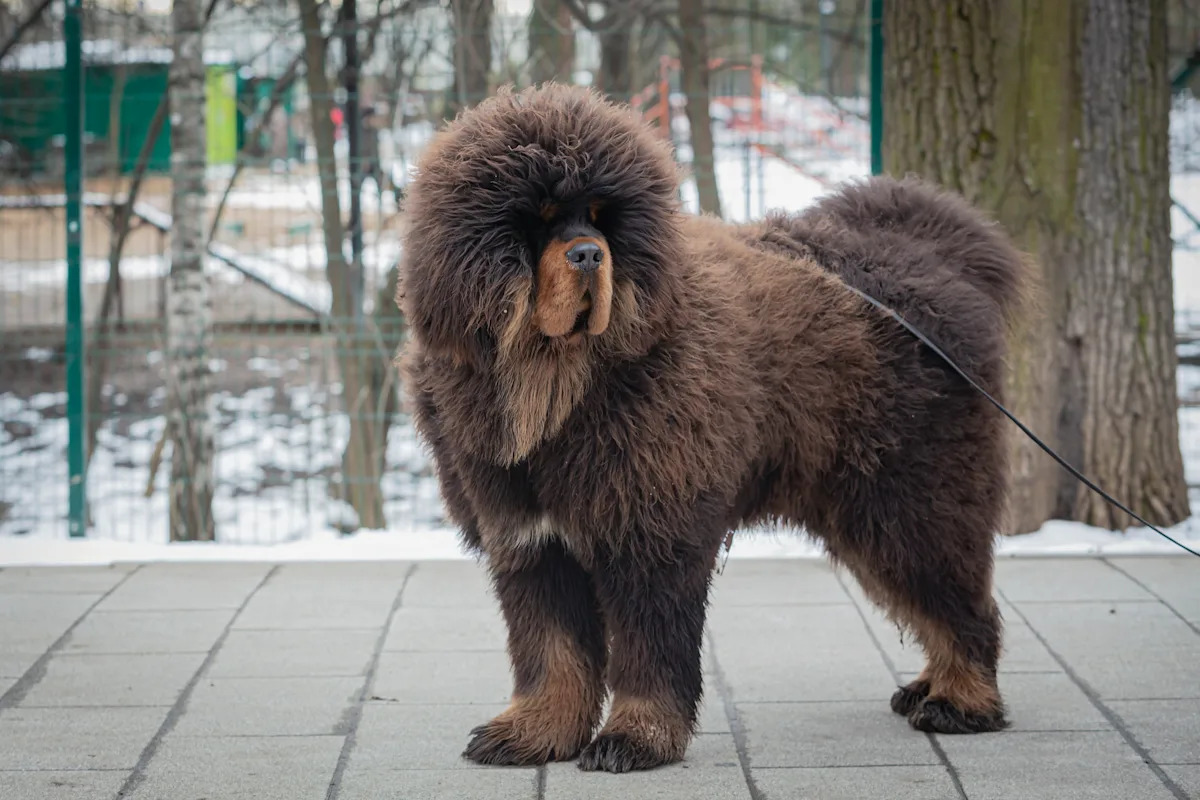
The Tibetan Mastiff deserves to be at the top of this list. In 2014, a golden-haired Tibetan Mastiff puppy was reportedly sold for nearly $2 million in China. Apparently, these dogs are seen as holy animals in Chinese culture. Creatures that provide their owners with health and security. The belief is largely cultural rather than scientific.
Physically, they are absolutely massive, often weighing up to 150 pounds with a thick, lion-like mane. Their temperament is notoriously independent, apart from being protective. They aren’t ‘pets’ in the traditional sense. No, they are guardians that require expert handling and massive amounts of space.
If you get one, it means you commit to a lifetime of high-quality protein diets and specialized grooming to maintain that legendary coat.
The Samoyed: The Smiling Sled Dog

The Samoyed is definitely more common than the Tibetan Mastiff. However, a purebred puppy can easily cost $11,000. In the past, these dogs were bred to herd reindeer and pull sleds. Their ‘Samoyed Smile’ isn’t just cute. It’s a functional trait. One that developed to prevent their drool from turning into icicles on their faces.
The real expense of a Samoyed lies in the upkeep. Their brilliant white, double-layer coat requires professional grooming multiple times a month. Regular grooming helps prevent matting.
Furthermore, they are prone to expensive health issues like hip dysplasia and heart conditions. This makes high-end pet insurance a necessity rather than an option.
The Löwchen: The Little Lion Dog

The Löwchen has been a fixture of European Royal courts since the Renaissance. At one point in the 1970s, they were labeled as the rarest dog breed in the world. Even today, only a few hundred new registrations occur each year.
Because they are so rare, finding a breeder is difficult and expensive. Their prices can reach around $10,000. They are small, vibrant, and surprisingly tough. However, their signature ‘lion cut’ requires a professional stylist to maintain.
For the elite, the Löwchen is the ultimate ‘boutique’ dog. Small enough to travel in a designer carry-on, but rare enough to turn heads at social gatherings.
The Chow Chow: An Ancient Heritage

The Chow Chow is one of the oldest breeds in existence. It is noticeable almost instantly owing to its distinct blue-black tongue. And its dense coat makes it even easier to identify. You can find them for a few thousand dollars, but top-tier bloodlines from reputable breeders can command $8,000 or more.
Chow Chows are notoriously ‘one-person’ dogs. They are aloof and can be aggressive if not socialized perfectly from birth. This often means hiring professional behaviorists and trainers.
And all this adds to the total cost of ownership. Their thick fur also makes them prone to skin allergies. This requires a very specific, high-end diet.
The Azawakh: The African Sighthound

The Azawakh is a very rare West African sighthound. In its homeland, it is used by nomadic tribes to hunt gazelle. They are strikingly lean. And they also have a regal, elegant silhouette. Goes well for those with a taste for minimalist stuff.
An Azawakh puppy can cost up to $9,500. Because they have virtually no body fat, they cannot tolerate cold weather. Add to that the fact that they originated in the desert. Because of this, people in northern climates must invest in heated indoor environments and high-end canine apparel.
You need fenced-in areas to enable them to sprint at high speeds. In other words, they are only suitable for those with significant property.
The Rottweiler: The German Powerhouse

You might be surprised to see a common breed like the Rottweiler on this list. There is a massive gap between a ‘backyard-bred’ Rottweiler and a ‘Pedigree German’ Rottweiler. The latter, bred specifically for protection and show, can cost $9,000.
These dogs are massive, powerful, and incredibly intelligent. The ‘hidden’ cost of a high-end Rottweiler is liability insurance and professional protection training.
Owners often have to spend thousands on specialized trainers to ensure the dog is a disciplined guardian.
The Pharaoh Hound: The Blush of the Ancients

The Pharaoh Hound is the national dog of Malta. But its lineage looks like it stepped right off an Egyptian tomb wall. They are unique for a ‘blushing’ trait. When they get excited, their ears and nose turn a deep rose color. Adorably magnificent!
With a price tag of $7,500, they are high-energy athletes. They have a ‘sighthound’ drive. This means that they will chase anything that moves. Owners often have to invest in high, secure fencing and GPS tracking collars.
Their skin is also quite sensitive. It requires specialized grooming products that won’t cause breakouts or rashes.
The Dogo Argentino: The Big Game Hunter

Developed in Argentina for hunting wild boar and pumas, this all-white, muscular dog is the definition of power. Because they are banned in several countries (including parts of the UK and Australia), their rarity in certain markets drives the price up to $8,000.
They require an owner with a ‘pack leader’ mentality and significant time for exercise. The Dogo is also prone to deafness.
It is a common trait in all-white breeds, which can lead to expensive veterinary testing and specialized training methods using hand signals.
The Saluki: The Royal Dog of Egypt

Experts often cite the Saluki as the oldest dog to be domesticated. These canines were the favorites of the Egyptian and (later) Persian nobles. One of the most interesting things about them is their speed. It’s no Greyhound, but it can sprint a decent distance.
A well-bred Saluki costs around $5,000 to $7,000. Like the Azawakh, they are sensitive souls. They have this whole ‘touch me delicately’ vibe, which can be challenging for some households. But in all seriousness, they require a very gentle touch and a very comfortable lifestyle.
They are known for being very ‘cat-like’ in their cleanliness, but also require large amounts of space to run. This makes them a ‘rich person’s dog’ simply because of the real estate required to keep them happy.
The English Bulldog: The High-Maintenance Mascot

The English Bulldog is a paradox. It isn’t particularly rare. However, it is one of the most expensive dogs to maintain in good health. A puppy from a reputable breeder can cost $4,000. However, the veterinary bills over the dog’s life can easily exceed $50,000.
Due to their flat faces (brachycephalic), they often require surgery to breathe properly. They are also prone to heart issues, skin infections, and hip problems.
For the wealthy, the Bulldog is a beloved, low-energy companion, but it requires a ‘concierge’ level of medical care that most people simply cannot afford.
Conclusion
Well, it goes without saying that you can only own these dogs if you are very rich. But the good news is, none of these dogs is really that special anyway. Sure, some of them do have a ‘living antique’ appeal, but little else beyond that. What makes a good dog? It’s the one that is friendly, obedient, and loyal.
And doesn’t bark unnecessarily. The best would be the one that doesn’t chase random cars or the neighbor’s cat. So, just go for whichever breed is best for you and your lifestyle. Expensive doesn’t always mean ‘quality’.