Parade Pets and Yahoo may earn commission from links in this article.
It starts the same way every year. The air gets warmer. Walks get longer. Your dog pushes through the grass like nothing has changed.
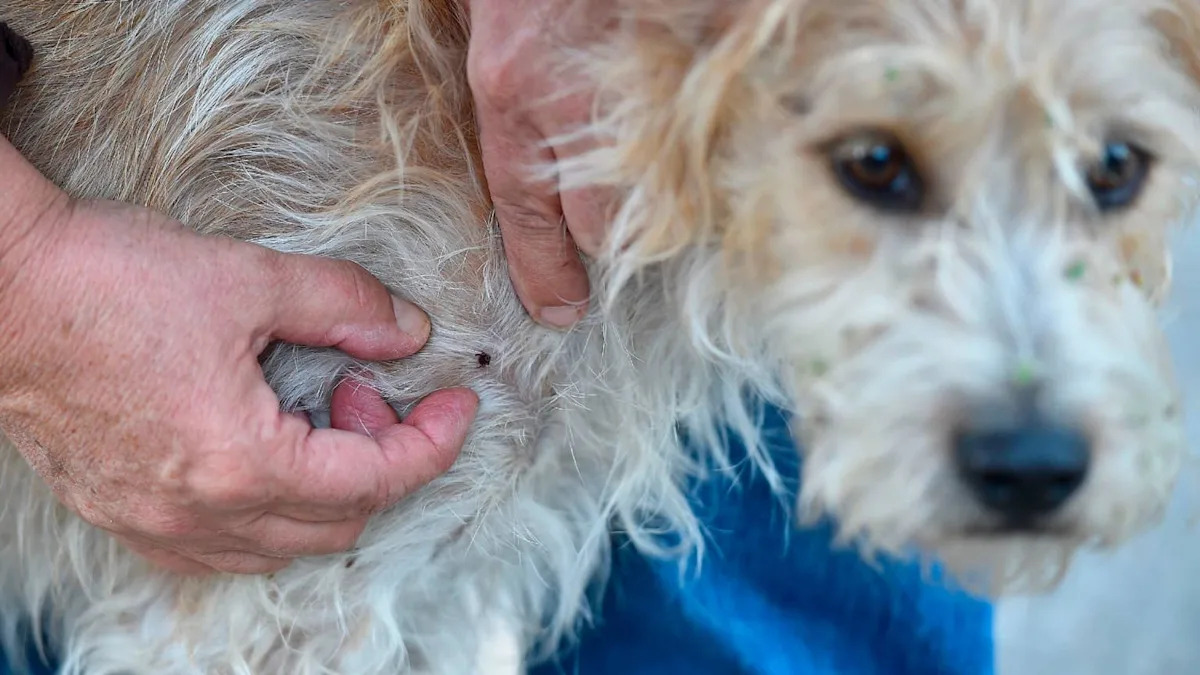
Then later that night, your hand pauses mid-pet. Something small that wasn’t there before.
Tick season doesn’t come with a warning. Yet this year, the season has started earlier, spread faster, and shown up in places you would not expect.
🐶SIGN UP to get “pawsitivity” delivered right to your inbox with inspiring & entertaining stories about our furry & feathered friends🐾🐾
Years ago, ticks were a late-spring concern. But this year, some states have reported tick issues as early as February.
Across the United States, veterinarians, researchers and public health officials are issuing urgent warnings, not as a precaution, but because they’re already seeing the shift happen in real time.
Because the real risk isn’t just the tick you find, it’s the one you don’t.
Which States Are Seeing the Earliest Tick Surge?

Getty Images
The first signs are subtle—a dog scratching more than usual, a tiny speck buried in fur. Easy to dismiss, until it isn’t.
Across the Northeast, those signs are showing up earlier than expected.
In New York, labs tracking tick activity are seeing submissions surge, more than doubling in just a year. But it’s not just the volume that stands out. It’s the type of ticks being found. For example, the Lone Star tick, which was considered a southern species, has now expanded its range.
Connecticut is seeing the same shift. Ticks started showing up as early as February, weeks ahead of the typical season. After a winter that should have reduced their numbers, conditions did the opposite. Snow acted like insulation, protecting ticks from extreme cold, while sudden warm spells triggered early activity. As a result, the season is longer and more active.
In Wyoming, for example, tick season usually begins in late April. However, this year, veterinarians are already hearing from pet parents who are finding ticks on dogs, cats, and even horses far earlier than expected.
This is not an isolated problem. It is an expanding pattern.
Related: Dollar General’s Clever $16 Find Lets Pets Chill Outdoors in Style
What State Has the Worst Tick Problem?
Looking at the data, one state stands out: New York.
According to CDC data, between 2019 and 2022, New York reported more than 33,000 cases of tick-borne diseases. For comparison, the second state on the list, Pennsylvania, reported 25,000. New Jersey, Wisconsin and Maine round up the top five.
While not all cases involve dogs, the numbers reflect just how active and widespread tick populations have become.
What vets are warning is that tick risk is no longer a problem limited to a handful of states. It is spreading.
What Are the First Signs of a Tick on a Dog?

BSIP/Universal Images Group via Getty Images
Most dog parents don’t notice a tick right away. Sadly, by the time they find it, the tick has already attached and started feeding.
The challenge is that some tick-borne diseases can begin transmitting within hours.
Here’s what to watch for:
Physical Signs of Ticks on Dogs
-
Persistent scratching or licking in one area, namely, parts around the neck, ears, groin or between the toes
-
A small, hard bump on the skin that wasn’t there before
-
A visible tick attached to the skin, ranging from the size of a sesame seed to a swollen, gray-blue lump
-
Redness, swelling or irritation at a bite site
-
Scabs with no clear cause during grooming
Tick-borne disease symptoms don’t always appear right away. They can develop days, weeks, or even months after a bite.
Watch for lethargy, loss of appetite, fever, stiff joints, swollen lymph nodes, pale gums, nosebleeds, unusual bleeding, reluctance to move, vomiting or diarrhea. The moment you notice any of these symptoms, contact your veterinarian.
How to Safely Remove a Tick From Your Dog
First things first, speed matters. Act sooner to lower the risk of disease transmission.
Sometimes, you cannot wait for a vet visit. However, you do need to remove the tick properly. Tools needed include: fine-tipped tweezers or a tick removal tool, disposable gloves, rubbing alcohol, and a sealed container.
Step-by-Step Tick Removal
-
Put on gloves and part your dog’s fur to expose the tick
-
Grasp the tick as close to the skin as possible, focusing on the head
-
Pull upward slowly and steadily without twisting
-
Check that the entire tick is removed
-
Place the tick in alcohol to kill and preserve it
-
Clean the bite area thoroughly
Do not use petroleum jelly, nail polish, or heat. While some methods suggest using these products to help remove the tick, they can cause improper detachment. As a result, the tick leaves parts behind in the skin that can cause disease days after it is removed.
Should Dog Owners in All States Be Worried?
Short answer: yes.
Ticks are now a widespread problem, appearing in rural and urban environments. What used to be a countryside problem is now showing up in city parks, backyards, and everyday walking routes.
The message in 2026 is simple: Low risk doesn’t mean no risk.
Tick populations are adapting. Warmer winters, shifting climates, and expanding habitats are changing where and when ticks appear. Areas that once saw minimal activity are now reporting regular encounters.
For dog owners, that means awareness matters more than ever.
Because in a season like this, it’s not about whether ticks are around. It’s about whether you notice them in time.
Related: The One Thing Vets Are Begging Dog Owners Not to Do During Tick Season
This story was originally published by Parade Pets on Apr 20, 2026, where it first appeared in the Pet News section. Add Parade Pets as a Preferred Source by clicking here.