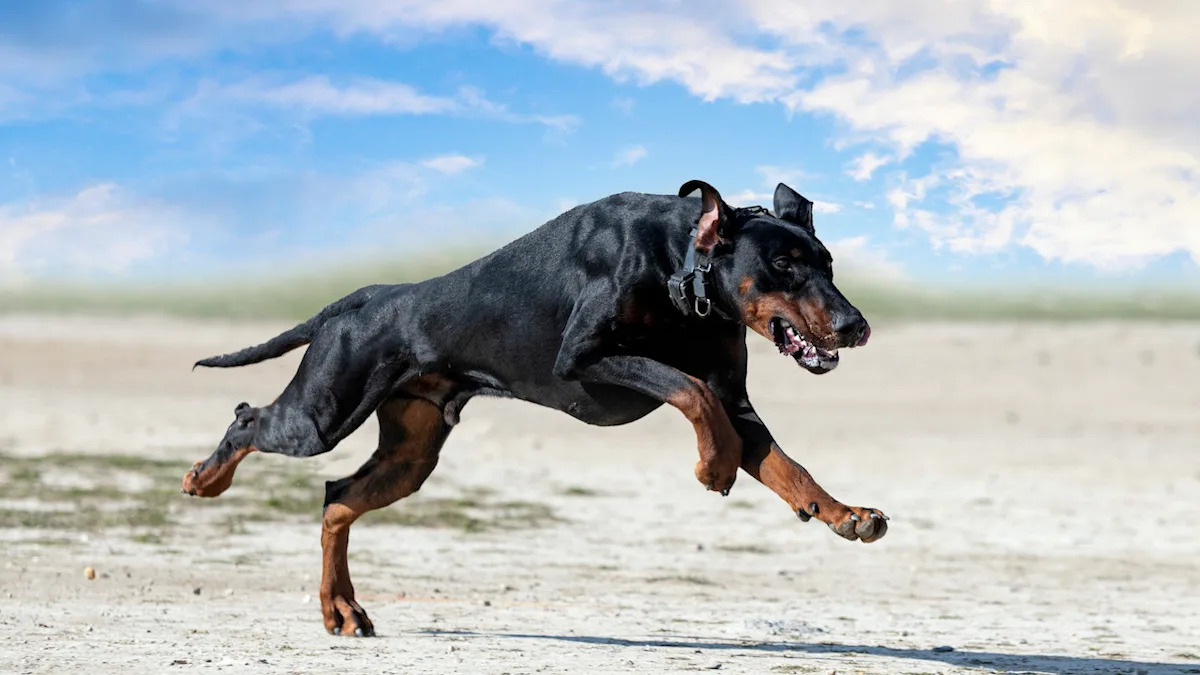
Many dog parents share a universal dream: a beautiful home filled with prized possessions and a loyal canine protector to act as a fearless guardian standing sentinel at the door.
The dog’s main job? Deterring a shadowy figure with a single growl and a glint in the eye that means business. The mischief-maker then flees into the night. Mission accomplished. The family now sleeps soundly, and the dog reaches heroic status and receives a pat on the head and a treat before dawn.
As comforting as this fantasy may be, the truth is that very few dogs are born with the perfect blend of courage, composure and control to play that guardian role safely and reliably. Even large, confident dogs fail miserably because most dogs kept as pets are emotional creatures first and security systems second.
If you’re wondering how dogs show loyalty and genuine protectiveness (rather than reactivity), are interested in protective dog breeds or are looking for signs your dog will protect you in a bad situation, you’ve come to the right place.
Related:7 Protective Behaviors That Prove Your Dog Is Always Watching Over You
How to Tell if Your Dog Is Protective—In a Good Way
Something that many people fail to understand is that a true protector isn’t defined by aggression but by stability, which stems from great genes, sufficient early experience and professional training.
Dogs who bark at the neighbors, growl and lunge at delivery drivers and misinterpret guests as intruders are not good guardians. These dogs are simply reactive dogs that pose a great liability to the owners, as their instincts may go into overdrive and tip into anxiety or fear-based reactivity, which isn’t what’s needed for a good guardian dog.
So while the dream of the fearless, noble protector is powerful, it’s fundamental to understand that it shouldn’t look this dramatic. In a nutshell, expecting a fear-reactive dog to serve as a reliable protector is similar to asking Scooby-Doo to guard the house.
While Scooby-Doo (bless his heart) is big, strong and capable of a deep bark when a “ghost” (or, let’s be honest, the mailman) appears, he barks while backing away as an intruder approaches. And that’s what fear-reactive dogs do: They respond from a place of insecurity.

Confidence is one of the best signs of a good guard dog.
The #1 Sign a Dog Will Be a Good Protector
If you’re asking yourself, “Will my dog protect me?” one sign that can’t be underlined enough is confidence—yes, because true protection and reactivity triggered by fear are at opposite ends of the emotional spectrum.
A good way to tell whether a potential guard dog has good protective instincts is to look for dog body language that exudes both confidence and calmness. These dogs will stand their ground without unnecessary agitation and will carefully assess the situation before they act.
I have witnessed this personally with my beloved Rottweilers. Before going into action, they would carefully evaluate the situation. My guests would worry at times when they would notice them staring intently before rushing to greet them with their tail stubs happily wagging.
The American Kennel Club even mentions this trait in the breed standard. It clearly describes the Rottweiler as a self-confident dog who responds quietly and with a wait-and-see attitude.
This ability to maintain composure and thoughtfully assess a situation before choosing to act is a treasured trait, considering that true protectiveness stems from emotional stability rather than fear or impulsivity.
Keep an Eye Out for Fear or Insecurity
Yet, despite this breed’s inherent desire to protect, there are high risks for untrained eyes to mistake fear-based aggression or insecurity for true protectiveness.
A dog that reacts out of anxiety or uncertainty is unpredictable and may be more likely to escalate unnecessarily. These dogs may also become a liability, as they’re less likely to respond to direction or recall.
Genuine confidence is ultimately what allows a guard dog to differentiate between real threats and harmless stimuli while conserving energy and maintaining emotional stability.

Attentiveness and remaining calm under stress are great signs that your dog will protect you when necessary.
6 Signs of a Good Guard Dog
As we’ve seen, confidence is critical in a good guard dog because it underpins composure and reliability, but without some other complementary traits, a guard dog may pose risks rather than provide protection.
In addition to confidence, there are several other important traits necessary for fulfilling the serious role of guard dog. A reliable guardian also needs the following:
1. A Stable Temperament
A good guard dog must be blessed with the ability to remain calm under stress. This ability is crucial, as it allows these dogs to think clearly and distinguish real threats from benign stimuli.
This is the result of genetics (selecting dogs from stable, even-tempered lines) and early socialization (exposure to people, environments and novel experiences in puppyhood).
2. Trainability
Of course, a good guard dog must be highly trainable. Having a non-trainable guard dog is like having a gun without a safety mechanism. Sure, it may be powerful, but it’s unpredictable and potentially dangerous to everyone.
Even the most confident dog is ineffective if it can’t be guided, particularly in high-stress situations.
Guard dogs, therefore, need consistent, professional training in order to recognize threats, remain calm under stress and respond to handler commands instantly.
3. Attentiveness
A good guard dog must be very aware of his surroundings. He should be able to identify changes in the environment and know when to react. He needs to know how to assess context before acting, rather than responding reflexively.
Related: Dogs With These Zodiac Signs Are Your Forever Guardian
4. Appropriate Threat Response
Good guard dogs should be able to escalate their response in a measured way, rather than reacting impulsively. These dogs should manifest confident control rather than fear-driven chaos.
5. Sound Recovery
Dogs that make good guard dog prospects should be able to recover quickly from startling or stressful experiences. For example, after hearing a loud noise or sudden movement, they should be able to assess and return to baseline calmly.
6. Professional Training
Professional training is required in order to teach a guard dog how to respond consistently to cues in high-arousal or stressful situations. Without this structure, instinctual reactions can easily override learned behavior.
Professional training is also fundamental to ensure the dog doesn’t misinterpret normal human behavior (e.g., a visitor’s body language) and perceive it as threatening, which can result in inappropriate aggression.
A skilled trainer specializing in guard dog training can also help teach the dog to tolerate frustration, assess context and regulate its arousal levels before reacting.
7 Protective Dog Breeds That Make Good Guard Dogs
Among the vast array of dog breeds, some are more suitable for guardian roles because they were historically developed for guarding and protection work.
However, just because they’re more predisposed doesn’t mean they’re naturally equipped with the right combination of confidence, loyalty, discernment and restraint required for true guarding behavior. Guard dogs need good socialization, training and lots of guidance.
1. Rottweiler

The Rottweiler is one of the best protective dog breeds.
Rottweilers are large and powerful dogs known for being confident, calm and discerning. Well-bred and properly socialized Rottweilers will typically carefully evaluate situations before acting, which makes them naturally protective and stable.
2. Doberman Pinscher

Dobermans are highly loyal and bond deeply with their owners.
Dobermans are intelligent and responsive dogs who become highly bonded to their handlers. Their alertness makes them excellent personal protection dogs when trained correctly.
3. German Shepherd Dog

The German Shepherd is known to be a protective and hardworking dog breed.
German Shepherds are widely used in police, military and security work for many good reasons. They’re highly trainable and blessed with great courage and strong protective instincts. Their breeding lines vary greatly, and those from working lines require experienced handling.
4. Belgian Malinois

Malinois are protective dogs, but they’re often too much for first-time owners.
Belgian Malinois are exceptionally intelligent dogs, but they have high drives and can easily become overstimulated if not given structured outlets. These dogs are best suited for experienced handlers or professionals. Trained well, they excel in precision protection work, but they’re not ideal for inexperienced owners.
5. Bullmastiff

Bullmastiffs are huge dogs that were bred to be property guardians.
Originally bred to guard estates, Bullmastiffs are known for their large size and quiet confidence. They tend to deter intruders through their sheer presence rather than overt aggression.
6. Giant Schnauzer

The Giant Schnauzer is an underrated guard dog.
A lesser-known but excellent guardian breed, the Giant Schnauzer is intelligent, strong-willed and naturally protective.
7. Cane Corso

Cane Corsos are popular and well-known for their protective instincts.
These large and powerful dogs are deeply loyal, protective and calm when properly socialized. However, their power and intensity requires professional training from an early age to prevent overprotectiveness or fear-based reactivity.
References
This story was originally reported by Parade Pets on Nov 7, 2025, where it first appeared in the Dogs section. Add Parade Pets as a Preferred Source by clicking here.