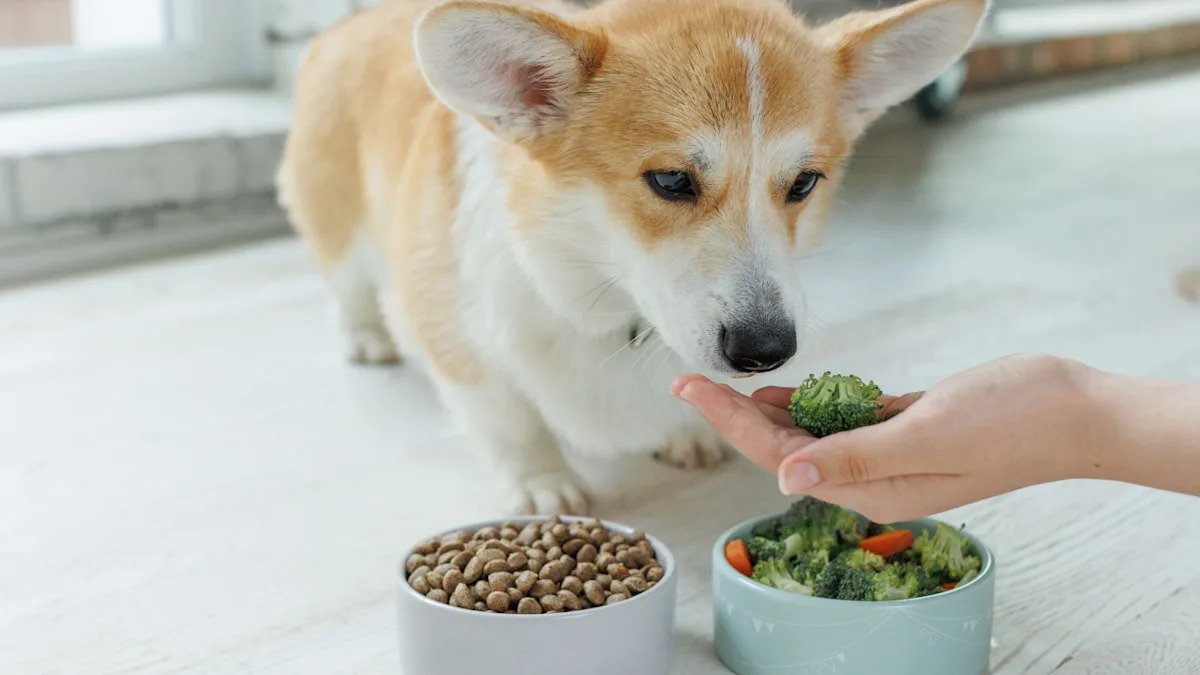
Homemade dog food is often seen as the ideal, healthy alternative to overcooked, over-processed commercial dog food. For many pet parents, it’s hard to trust mass-produced kibble or raw food options when it seems like you hear about nothing but food recalls.
When you make it yourself, you know exactly what goes into your dog’s meals. While it may seem like the perfect way to address food allergies or avoid Salmonella contamination, recent studies show that homemade foods may not be nutritionally balanced.
🐶SIGN UP to get “pawsitivity” delivered right to your inbox with inspiring & entertaining stories about our furry & feathered friends🐾🐾
Texas A&M Study Shows Deficiencies in Dog Food

Z
In a study released at the beginning of November, Texas A&M revealed that only 6% of homemade dog food recipes meet basic nutritional requirements for pups—the study, published in the American Journal of Veterinary Research, identified concerning trends.
Using the Dog Aging Project, the study analyzed 1,726 home-prepared diets, drawing on data from 50,000 enrolled dogs. Pet owners filled out an open-ended survey, and the results were input into Balance It, an online tool that follows guidelines from both the FDA and the Association of American Feed Control Officials, which provide canine nutritional guidelines. Scientists found that, although the recipes were ingredient-diverse, they were not nutritionally complete. Meat was the most popular ingredient, appearing in 90% of recipes, followed by vegetables, which appeared in 65% of meals.
Scientists also note that 45% of pet owners supplement their homemade food with a commercial product, such as a premade raw or cooked food or a topper.
“We found that only 6% of homemade diets had the potential to be nutritionally complete,” said Dr. Janice O’Brien, a doctoral researcher at the Virginia-Maryland College of Veterinary Medicine at Virginia Tech. “Since our study didn’t include exact ingredient amounts, it’s possible that a smaller percentage than 6% were nutritionally complete.”
What’s in a Complete Dog Food
Most of us know what our pups can’t have, making sure they stay away from dangerous, toxic foods like grapes and xylitol. But what is crucial to our pup’s diet?
Appropriate calcium and phosphate levels are key to a balanced diet. Without it, a dog can develop kidney issues or bone deficiencies. If your dog already has issues in these areas, a homemade diet that lacks proper sources can lead to further problems.
If you plan to feed your dog a homemade diet, you should formulate the recipes with the help of a veterinary nutritionist. They can ensure you have a balanced, complete diet and that crucial vitamins and minerals come from appropriate sources. It’s very important that once you and the nutritionist develop the recipes, you stick to them. According to the study, any deviation could lead to deficiencies that can affect your pup’s overall health.
Related: High-End Dog Food Brand Enters the Fresh Food Race With New Product
This story was originally published by Parade Pets on Dec 13, 2025, where it first appeared in the Pet News section. Add Parade Pets as a Preferred Source by clicking here.