Dogs are scavengers by nature; they will eat just about anything. And they have no instincts that keep them from eating plants that are poisonous.
While we all appreciate having a diversity of plants in our yards, it is important to be aware of landscaping plants that are toxic to dogs, some so poisonous that even small nibbles can lead to major health problems.
Below, we’ll discuss five plants commonly found in North Florida yards, why they are dangerous for dogs, and what you can do to protect your four-legged friends.
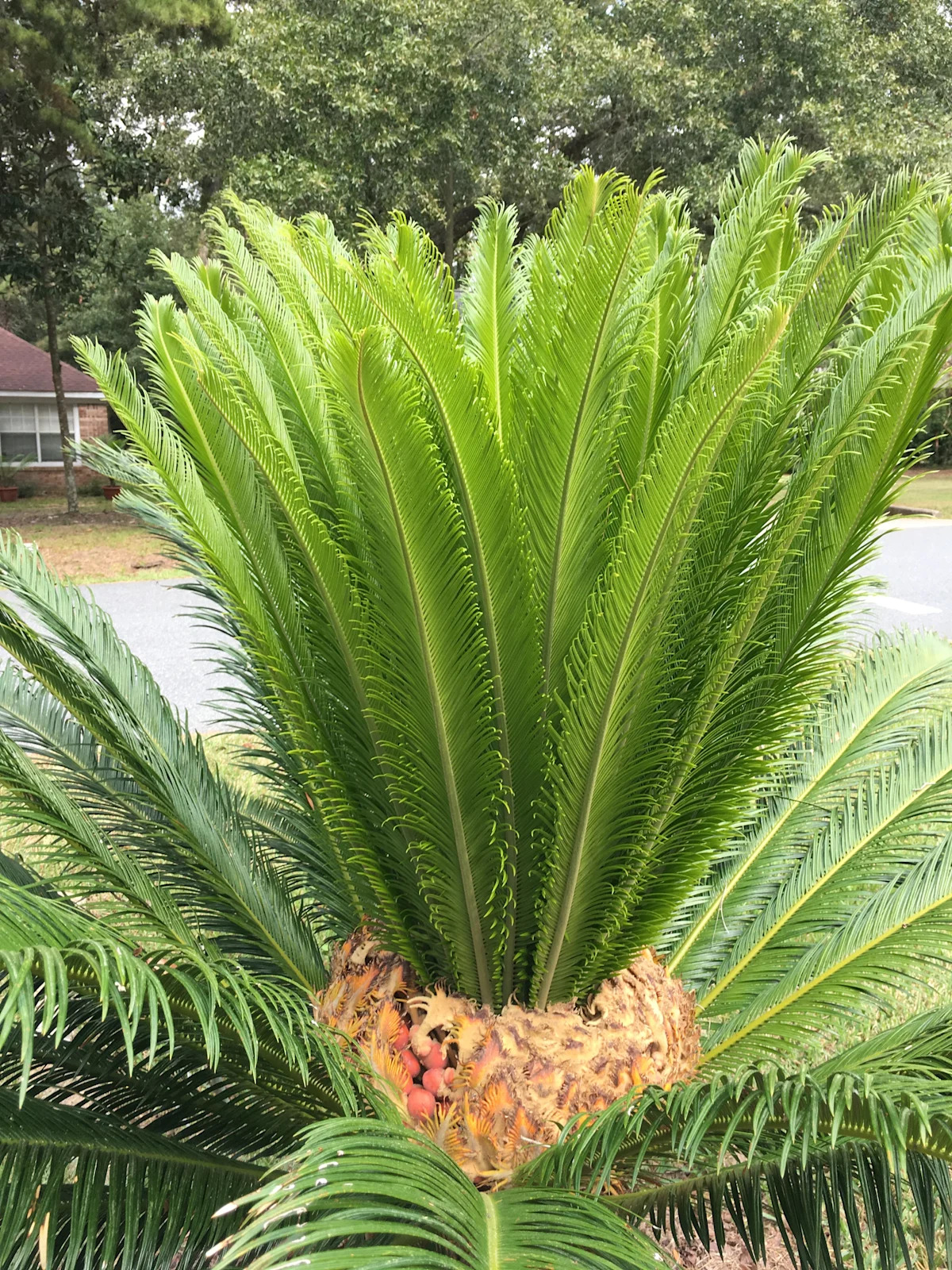
Cycads

Even one ingested sago palm seed may be deadly to a dog.
Sago palms and coonties are perhaps the deadliest landscaping plants for dogs in Florida. All parts of the plant are poisonous, but the seeds (sometimes called “nuts”) are the most dangerous. The toxic compound cycasin can cause severe liver failure, seizures, vomiting, diarrhea, and death.
According to veterinary reports, the mortality rate after ingestion by dogs is alarmingly high. Note that cyad plants are either male or female, and only the female plants produce the large shiny red seeds. If you suspect your dog has ingested even part of one, immediate veterinary care is required.
If you are a dog owner and your yard includes coontie or sago plants, consider removing them, or, at the minimum, dispose of any seeds that fall to the ground. Fence off any remaining plants so dogs cannot access them and educate household members and landscapers about the risk to your pets.
Oleanders

Though oleander is highly toxic if ingested, it is widely planted without problems. However, if you have very young children or pets that have not yet learned not to put just anything in their mouths, it may be best to avoid it.
Oleander is a popular ornamental shrub in Florida as it is large, colorful, and tolerant of heat and drought. But every part of this plant contains potent cardiac glycosides, which can severely disrupt the heart rhythm of dogs if ingested, causing drooling, vomiting, irregular heartbeat, collapse, or even death. For dog-friendly landscapes, this makes oleander a high-risk plant.
Do not plant oleander if dogs have unsupervised access to your yard. If you already have these shrubs in your yard, consider replacing them with safer shrubs or installing a physical barrier between the plants and your pet’s roam zones. Monitor fallen flowers, leaves, or twigs that might be chewed or swallowed.
Lantanas
While many kinds of lantanas are invasive and should be removed from your property, they are frequently used in Florida landscaping as they provide bright flowers, hardy growth, and a tropical look. But they are toxic to dogs. The berries, especially unripe ones, contain triterpenoids that can lead to vomiting, diarrhea, liver damage, and, in large ingestions, even death.
Because the colorful berries may attract a curious dog, it’s a real hazard. Consider replacing lantanas with dog-safe flowering shrubs that offer similar color appeal. If you have existing plants, make sure you pick up fallen berries, and keep the plant trimmed so berry clusters are less accessible. Train your dog to avoid shrub borders if possible.
Azaleas
Azaleas are common in yards and provide vibrant spring blooms. Unfortunately, they contain grayanotoxins that affect sodium channels in the body, leading to vomiting, drooling, weakness, heart problems, and tremors for dogs who ingest leaves or flowers. While a single small leaf may not always be catastrophic, it’s wise not to risk it, especially with a curious or chewing dog.
Monitor your yard; if you have azalea beds, place them in areas your dog does not enter. Keep mulch cleared of fallen leaves that may get chewed and consider substituting safer plants if your dog has direct access to them.
Hydrangeas
Hydrangeas are beloved for their large flower clusters and ability to tolerate shade, and they’re popular in area landscapes. But they contain cyanogenic glycosides (which can release small amounts of cyanide) in leaves and buds. For dogs, ingestion can cause vomiting, diarrhea, lethargy and, in rare cases, more serious symptoms.
While hydrangeas may pose lesser risk than cycads or oleander, they still warrant caution. To maintain your dog’s safety, keep hydrangea plantings away from dog-play zones or pathways. Clean up fallen blooms and leaves that could tempt a curious chewer and provide plenty of safe chew toys and diversion so your dog is less likely to nibble plants.
General yard safety tips
-
Know your plants. Walk your yard with the mindset of “could my dog eat this?” If the answer is yes, treat it as a potential risk. For a more exhaustive list of plants poisonous to dogs, see American Society for the Prevention of Cruelty to Animals (ASPCA) Toxic and Non-Toxic Plant List – Dogs website: aspca.org.
-
Supervise dogs when plants are tempting. Even a dog with good manners might take a taste if bored or roaming unsupervised.
-
Create dog-only zones. Consider fencing off shrub beds or installing raised planters so curious noses and paws stay on the lawn.
-
Have an emergency plan. Keep your veterinarian’s contact information and the phone number for the ASPCA Animal Poison Control Center (1-888-426-4435) handy. Bring a sample of the ingested plant to your vet if safe to do so.
-
Training matters. Teaching your dog a solid “leave it” command goes a long way toward preventing accidental ingestion.
By taking a few minutes to audit your yard and rethink plant selections, you can dramatically lower the risk of a landscaping plant turning into a life-threatening hazard for your dog. Our pets give us their joy, loyalty, and boundless energy every day – let’s give them a safe outdoor space in return.
Susan Barnes is a Master Gardener Volunteer with UF/IFAS Leon County Extension, an Equal Opportunity Institution. For gardening questions, email AskAMasterGardener@ifas.ufl.edu.
This article originally appeared on Tallahassee Democrat: Protect your dog around 5 common poisonous outdoor plants