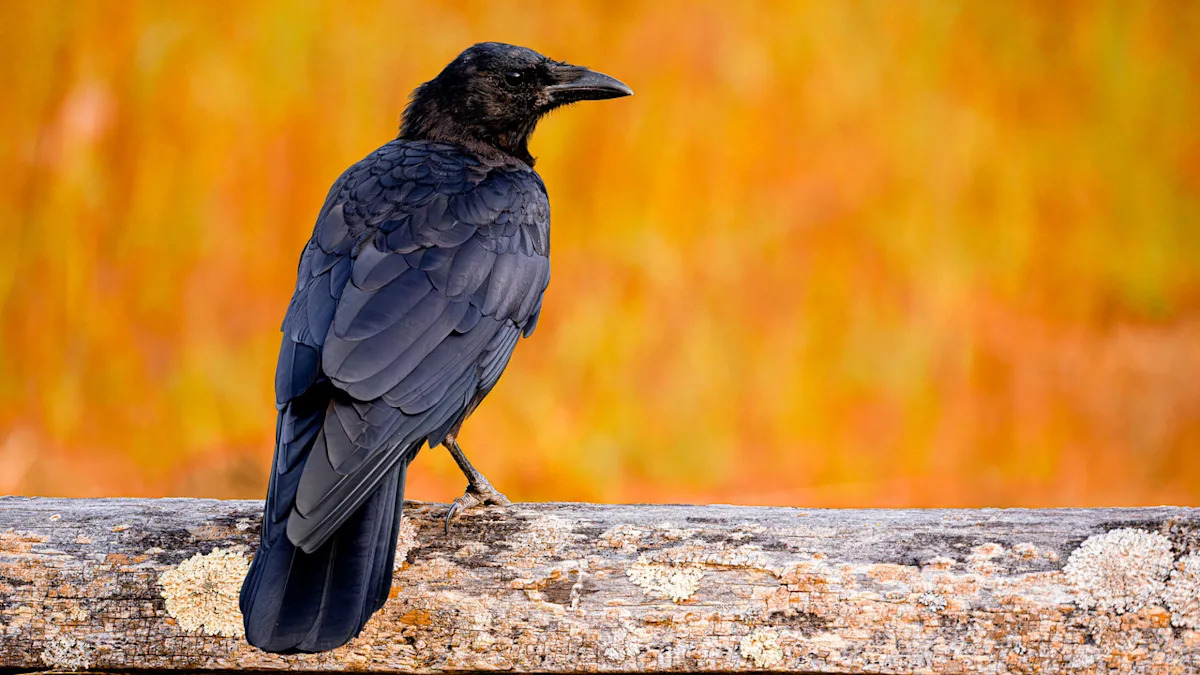
When it comes to pets, there are so many options. From dogs and cats to fish, retiles and even birds. If you’ve always wanted to be a pet parent to a feathered creature, you can definitely go that route. However, it’s best to know the laws surrounding bird ownership first as it’s not legal to have some of them as pets. So, if you’re a fan of crows and wondering if you can have a crow as a pet in your home, read on to find out.
It’s easy to see why people love crows. After all, they are easily among the most intelligent animals on Earth, with cognitive skills rivaling (or even surpassing) those of monkeys or dolphins. They also have complex social structures, use tools and logic to solve problems, can memorize faces, and some researchers think that they might even possess a form of self-awareness, something quite rare in the animal world. However, part of our fascination comes from the fact that some people have seemingly been able to establish friendships with crows and even train them in the wild.
Because of these things, it’s understandable why people find these birds so cool. While it’s perfectly alright to become friendly with your local crows,, some crow lovers want to take their relationships a step further by adopting their favorite crow and making it their pet. The question is, is it legal to have a pet crow? You might be surprised to learn the answer.
Is Owning a Pet Crow Legal? What the Law Says

A crow sitting on the grass during a rain shower.Image via Getty Images/DESPITE STRAIGHT LINES (Paul Williams)
Can you own a crow? The short answer is: no, it is not legal to have a crow as a pet. In the United States, the Migratory Bird Treaty Act (MBTA) makes it illegal to kill, capture, sell, trade, or transport migratory birds (or things belonging to them, such as their nests or eggs) except with prior authorization by the US Fish and Wildlife Service. While not all crows migrate, they are nevertheless covered under the MBTA, as are their close cousins, ravens.
In case you’re reading this from Canada, the law is very clear there as well and there are crow laws in place. Much like the MBTA, Canada’s Migratory Bird Convention Act of 1994 also prevents the ownership of crows except in very rare cases where a permit is issued by the government.
What Happens If You Keep a Crow Illegally?

A crow sitting on a fence on a dark and stormy day.Image via Getty Images/Marcia Straub
If you do have a pet crow, you will land yourself in serious legal hot water. If Fish and Wildlife officials find out and press charges, you could end up owing thousands of dollars in fines, and possibly even jail time.
Even if the government doesn’t find out that you have an illegal pet crow, you’d still run into a lot of hurdles trying to care for it—namely, finding veterinary care. No veterinarian is going to risk their license and their reputation caring for an illegal pet, so if your pet crow were to get sick or injured, you’d most likely be on your own. That’s not even considering all the constant care, feeding, and enrichment it would need, even in the best circumstances.
Moreover, though, crows are wild birds, and wild birds aren’t meant for life in cages. Remember, crows have very close-knit social groups among their fellow birds, and the majority of partnered crows mate for life. Separating a crow from its family and keeping them in captivity is cruel, and you most likely wouldn’t have adequate space to house a bird of their size healthily. Your crow would be very sad and anxious, which would lead to it becoming aggressive towards you—no one comes out happy in this situation.
Is It Legal to Keep a Crow After Rescuing It?

A stunning crow in the wild.Image via Getty Images/sandra standbridge
The impulse to care for an injured animal is a noble one, and no bird lover likes to see a feathered friend in pain. All the same, though, those aforementioned laws still prevent taking in a crow even temporarily (barring an exception we’ll talk about here momentarily). However, that doesn’t mean that you have to watch the crow suffer helplessly. If you call your local Wildlife Protective Services, they’ll instruct you on what to do next. You may even have some licensed wildlife rehabilitation centers nearby that will take in your injured crow!
Now here’s where that exception comes in: depending on where you are and what resources they have available, your local wildlife rehabilitator may ask you to bring the bird to them rather than send someone out. If that’s the case, call and speak to a representative first to make arrangements and to double-check that bringing it in yourself is what they want you to do.
Also, keep in mind that injured animals often react aggressively to those who are trying to help them: they’re hurt and scared, and they may not know who you are or that your intentions are good. No matter what, your safety should always come first. The Raptor Trust has a guide on how to safely capture, handle, and transport birds to your wildlife rehabilitator that you can reference. However, even if you’re armed with gloves and eye protection, don’t put yourself at risk if you don’t think you can bring the bird in without getting injured.
The Bottom Line on Owning a Crow

A crow carrying food in its beak.Image via Getty Images/ZeynepKaya
Crows are amazing birds and cute animals, and there’s nothing wrong with loving them or even forming a bond with wild crows. However, if you’re caring for crows, it’s important that your crow friend can always fly back home to their flock at the end of the day. After all, if you truly love something, set it free—and if your crow pal trusts you and knows you provide tasty treats, they’ll often return to visit.
If you want to spend even more time with crows and learn about their behavior, consider volunteering at a local wildlife rehabilitation center or pursuing accreditation as a Wildlife Rehabilitator. This way, you can safely interact with crows while supporting their health and conservation, wothout breaking the law.
This story was originally published by PetHelpful on Jan 4, 2026, where it first appeared in the Birds section. Add PetHelpful as a Preferred Source by clicking here.