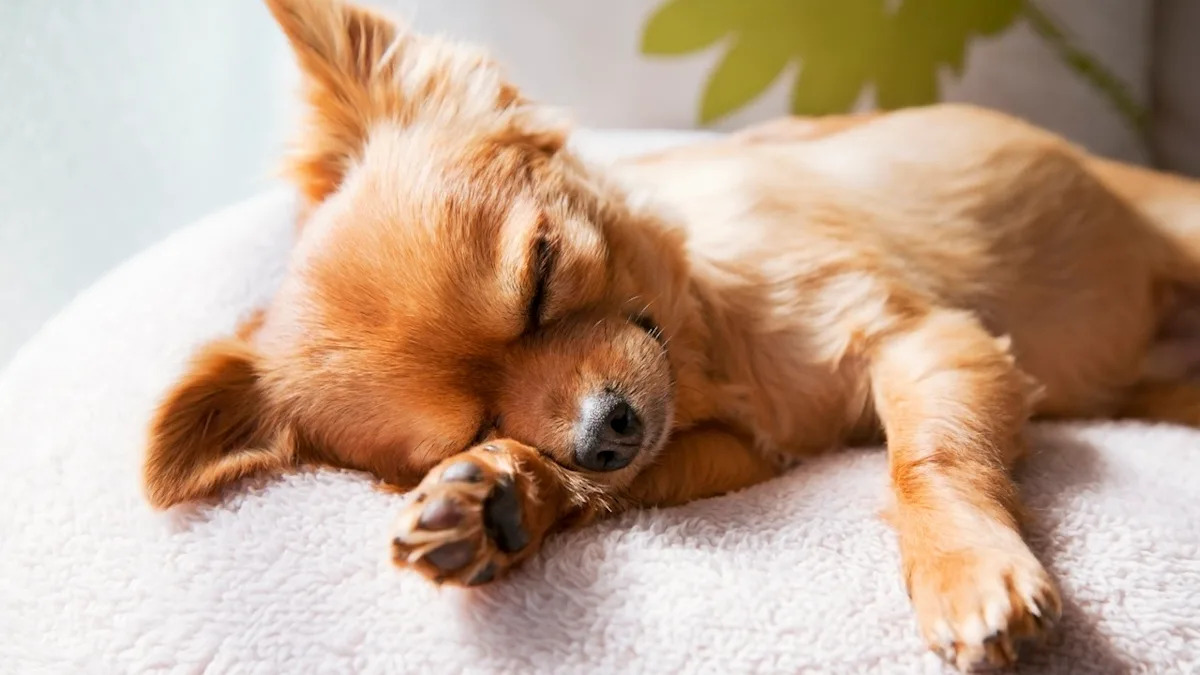
Humans aren’t the only ones who need plenty of sleep to function at their best. Just like people, dogs rely on quality sleep to stay healthy and happy. Even though it may seem like your pup spends most of their day snoozing on the couch, not all sleep is equally restorative. In reality, many dogs don’t get the rest they truly need, and warning signs are often easy to miss. So, if you’re a pet parent and you’ve ever wondered “Is my dog getting enoug sleep?” read on to find out 8 signs your dog isn’t getting enough sleep, according to a vet.
After all, since dogs communicate different than people do, sometimes it can be hard to tell how your pup is doing at times. That’s why it’s important to pay attention to a dog’s body language and their overall behavior for clues as subtle shifts can all point to them getting poor sleep. That way, you can make sure you can help your pet stay happy and healthy.
If you don’t, when dogs are overtired, the side effects of that can manifest in surprising ways. Because the symptoms vary from pet to pet, lack of sleep for dogs can often be misinterpreted as a training or behavioral issue. To find out how you can help your tired pup, and to discover some of the clues your dog is exhausted that you might no notice, we spoke to Dr. Bethany Hsia, veterinarian and co-founder of CodaPet.
How Much Sleep Do Dogs Need?
According to our expert, when it comes to beauty sleep, most dogs need a significant amount of sleep to stay healthy, and just like people, the exact amount varies by age, breed, and activity level. In fact, puppies need the most rest, often sleeping 18 to 20 hours a day, because sleep supports rapid growth, brain development and learning. As dogs reach adulthood, their sleep needs typically decrease, with most adult dogs sleeping about 12 to 14 hours per day, usually split between nighttime sleep and daytime naps. Highly active working breeds may need slightly more recovery time, while senior dogs often sleep longer as their energy levels slow. According to veterinarians, consistently getting the right amount of sleep helps regulate a dog’s mood, immune system and overall behavior.
Related: 7 Signs Your Pup Would Do Anything for You, According to Trainers
8 Signs Your Dog Isn’t Getting Enough Sleep
When dogs don’t get enough sleep, the effects can quietly build over time. Understanding the signs your dog is sleepy can help you spot potential dog sleep problems early and take steps to improve your dog’s sleep routine before it impacts their overall health. After all, if your pup misses out on their much-needed snooze, it can throw off their mood, energy and behavior—and yes, that can ripple over to you too! Making sure your dog gets plenty of restful sleep helps keep tails wagging and everyone in the house a little happier. Here are some ways your sleepy pup says “I need more Zzzs.”

A dog in a sleepmask.Getty Images Sviatlana Barchan
They Are Cranky
One sign your dog is tired? Their attitude. A sleepy dog can show subtle signs through the way they are communicating, like heightened irritability or uncharacteristic aggression towards people or other pets, Hsia says. “Perhaps your dog might snap or growl,” she explains. “This behavior indicates a reduced tolerance for stimuli, similar to how sleep deprivation affects human mood.”
To help improve your tired dog’s mood, pet parents should establish a consistent sleep schedule, ensure a quiet and comfortable sleeping area, and consider calming aids if stress is a factor. Once you do, you’ll start to see a different in your pup’s personality.
They Suddenly Nipp or Bite
When it comes to dog behaviors, this is one you should look out for. Poor sleep can sometimes lead to sudden nipping or biting, a behavior often called sleep startle aggression, which happens when a dog is abruptly woken. If your pup starts doing this, it may be one of the signs your dog isn’t getting enough sleep or is experiencing dog sleep deprivation.
Sleep-related nipping or biting can have multiple underlying causes, including pain or medical issues, stress and anxiety, or lack of exercise and mental stimulation. Because triggers can vary, it’s important to consult a veterinarian to rule out injury or illness and consider working with a professional trainer to safely address dog behavior problems related to poor sleep.
Related: 8 Signs Your Dog Finds You Irresistible and Adores You, According to Trainers
They Excessivly Lick or Chew Things
Most owners notice their dog’s adorable sleeping positions, but when dogs don’t get enough rest, they might be up more than they are laying down. The physical and emotional strain can make them clingy or needy, seeking comfort and security from their owners—just like humans do when they’re exhausted or stressed.
To help your sleepy dog stop that behavior and get more rest, create a quiet and dark sleep space that encourages they to lay down. Make sure they also get plenty of physical exercise and mental stimulation during the day as well, and consider teaching a “settle” command paired with toys to promote independent play and healthy dog sleep habits.
They Have Poor Concentration
Like humans, tired pups can have a tough time concentrating when they’re not getting consistent, quality rest. Becase of this, pet parents should pay close attention to their dog’s personality to see if they notice this dog behavior. The lack of sleep can not only lead to poor concentration but it can be rooted in anxiety, limited exercise, environmental disruptions or underlying medical issues.
Helping your dog get better rest can include creating a consistent daily routine, increasing daytime activity, optimizing their sleep space, and reducing stress. The ideal sleep space should resemble a quiet den, away from busy walkways, doors, or noisy appliances. Adding a supportive bed, soft music, or calming scents like lavender can also encourage quality sleep and healthier dog behavior.
They Ignore Commands
Lack of sleep can make a dog grumpy, foggy and less able to focus, causing them to ignore commands, like coming to you when they are called. Dogs aren’t acting out or being defiant, but rather showing their owners that their brains are tired and overwhelmed, leading to poor attention and reduced motivation.
One way to help they sleep more so they start listening again is to ensure your dog has a quiet, comfy sleep spot. It’s also essential to create (and stick to) consistent routines, then reinforce training with high-value rewards in calm environments. This builds focus and helps make listening rewarding clear to your pup.
They Appear Needy
Sleep deprivation causes physical and emotional strain on dogs, which can lead them to seek out comfort and security from their owners (just like people seek comfort when exhausted or stressed).
Some simple, loving ways to help a suddenly clingy or needy dog get more sleep is to offer a dark and draft-free sleep space primed for relaxation. You can also provide them with more mental exercise by giving them puzzle toys to encourage independent play. By doing so, it will help them get rid of built-up energy and fall asleep easier.
They Are Hyper or Unable to Settle
When dogs don’t get enough physical or mental stimulation, follow inconsistent routines or eat a poor-quality diet, they can struggle to settle down. This can manifest as hyperactivity or restlessness, creating a cycle where poor sleep fuels excess energy and excess energy disrupts sleep.
Adding more daily exercise into your pups schedule can help ease their hyperness and provide the stimulation dogs need to truly jhelp tire them out. Over time, this balanced approach can improve sleep quality and break the cycle of overtired, overly excited behavior.
Their Activity Level Reduces
If a dog is consistently tired despite appearing to get adequate rest, they may not be getting quality sleep. “They might be less enthusiastic about walks, playtime or training,” Hsia says. This telltale sign signals that a dog’s body isn’t recovering sufficiently during sleep. “Pet parents should ensure their dog’s sleeping environment is free from disturbances,” Hsia adds, “and consider a veterinary check-up to rule out underlying medical conditions affecting sleep quality.”
A well-rested dog is a healthier, happier companion. By recognizing these signs early and making small, thoughtful changes, pet parents can help ensure their pups get the restorative sleep they need to thrive.
What Happens If a Dog Doesn’t Get Enough Sleep?
When a dog doesn’t get enough sleep, it can affect both their behavior and overall health. Overtired dogs may become irritable, hyperactive, anxious, or less responsive to training, and sleep deprivation can also weaken the immune system over time. Just like people, consistently missing out on rest can lead to increased stress, difficulty regulating emotions, and a higher risk of health issues, making quality sleep essential for a dog’s well-being.
How Can You Help Your Dog Sleep Better?
The good news is that improving your dog’s sleep routine doesn’t require a complete overhaul. Simple changes to daily routines, activity levels and sleep environments can make a meaningful difference. Once you start doing these things, you’ll start to notice your dog is more alter, less tired and in a good mood.
It’s important to provide your dog with a relaxing, comfortable sleep space where they don’t feel the need to stay alert. Constant vigilance can prevent quality sleep and contribute to dog sleep problems. The area should promote calm and comfort, be quiet, dark and stay out of the way of household foot traffic, so your dog can nap and rest freely whenever they need.
Dogs also need plenty of physical exercise and mental stimulation during the day to help them feel naturally tired and ready to rest. A dog that spends the day bored or restless may have trouble settling down at night, but it’s best to avoid intense exercise right before bedtime, as this can make it harder for them to fall asleep.
Source:
This story was originally published by Parade Pets on Jan 14, 2026, where it first appeared in the Pet News section. Add Parade Pets as a Preferred Source by clicking here.