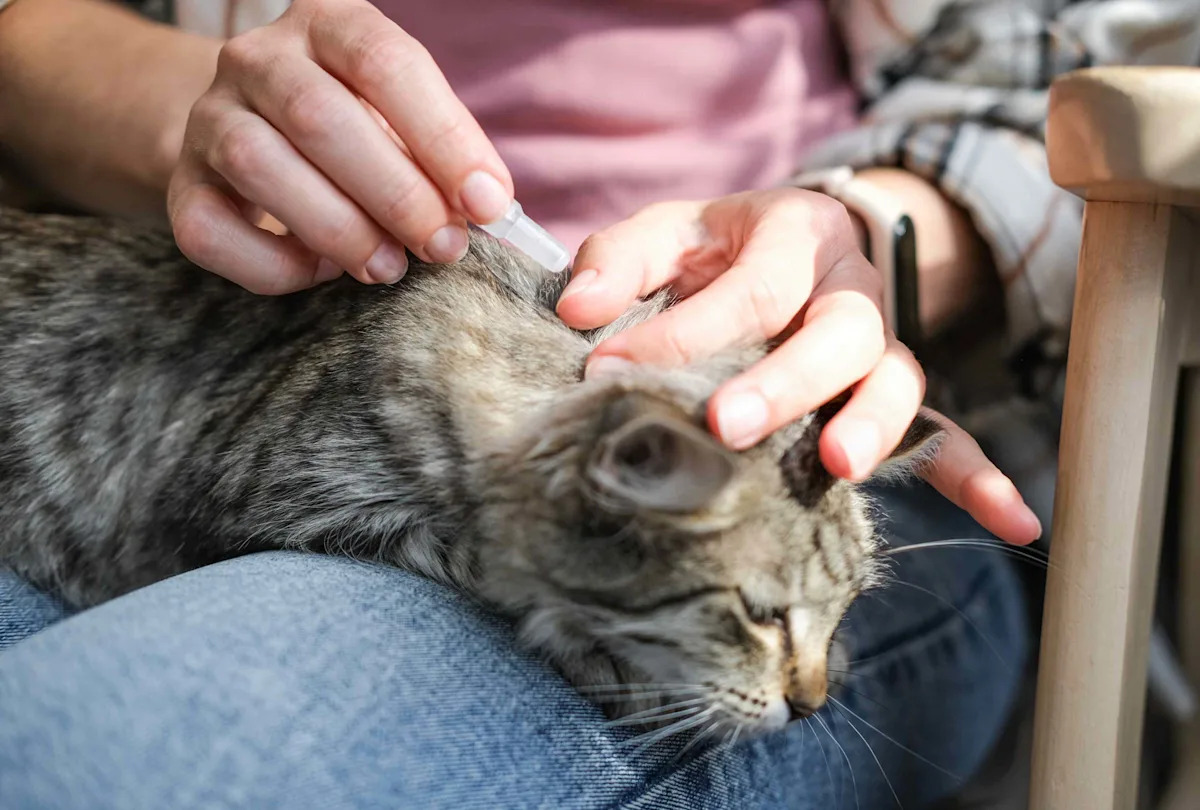
Year-round protection is key, but once spring has sprung, it’s a good idea for pet owners to increase their vigilance when it comes to tick prevention. Warmer weather encourages these tiny parasites to emerge, which puts our companion animals at risk. Luckily, there are a handful of simple steps pet owners can take to make sure dogs and cats don’t play host to ticks this spring.
“Flea and tick prevention is one of the simplest ways pet owners can protect their pets from discomfort and potentially serious disease,” Petland veterinarian Sarah Hettinger, DVM, says. “When pets are protected, they’re more comfortable, more active, and able to enjoy a higher quality of life year-round.”
Here are a few tick-prevention best practices for dog and cat owners to follow as warmer weather arrives.
Spring Pet Safety: Protecting Your Furry Friends From Seasonal Hazards
1. Consider Administering a Preventive
One of the simplest ways to keep your pets protected from parasites, including ticks, is to keep them on a preventive approved by your pet’s veterinarian. Oral preventatives like NexGard Chews for dogs or topical solutions like NexGard COMBO for cats are administered just once a month and protect your pet against several parasites, not just ticks.
Stay loyal to your preventive schedule by setting a recurring reminder on your mobile device or marking your calendar. It’s important to administer these preventives the same day each month so there’s no lapse in protection for your pet.
2. Check Your Pet for Ticks Often
Especially if you have a dog, it’s important to manually check your pets for ticks regularly. If you live near a wooded area or like to take your dog on walks through grassy areas, you should check your dog daily—and as soon as possible after you return from your stroll. Even if your pets are on tick preventatives, this doesn’t guarantee that a tick won’t latch onto your pet.
If you have a multipet household, i.e., a dog and a cat, it’s important to check each furry friend, as your outdoor pet could be a carrier for ticks that eventually latch onto your indoor pets. Additionally, check yourself and your clothes for ticks to ensure they don’t hop from you to your pet.
3. Keep a Tidy Home and Yard
Regular vacuuming and lawn maintenance can curb flea and tick infestations at home, the U.S. Environmental Protection Agency (EPA) says. Lawn care especially helps prevent the formation of parasite habitats, the Centers for Disease Control and Prevention (CDC) adds. Make sure to get rid of lawn debris like leaves in a timely manner and pay special attention to how you arrange your yard, keeping fixtures like playground equipment and patio furniture away from the edges of your yard.
4. Educate Yourself
Not all ticks are created equal. Keep up to date on which ticks populate your local area, and talk to your veterinarian about how to keep your pet safe. The severity of tick season varies from year to year, but it’s always a good idea to have a dependable plan of preventive measures in place that you and your pet’s veterinarian both feel confident about.
Read the original article on The Spruce Pets