The post Why Some Birds Let Ants Crawl All Over Their Bodies appeared first on A-Z Animals.
Quick Take
-
Essential health maintenance for some birds requires active anting to ensure feather integrity.
-
Secretions from the Formicinae subfamily produce a stinging sensation that complicates the cleaning process.
-
Allowing ants to crawl over the body is a stimulant for perching birds.
-
Locating wood ants is necessary for loosening grime before the preening stage begins.
There are some pretty strange ways that animals clean themselves. While cats groom themselves with their tongues, other animals like hippos rely on fish to keep them clean. But what about birds? Surprisingly, birds use ants to keep themselves clean! Known as anting, this behavior involves birds allowing ants to crawl over their bodies, which serves several purposes. This YouTube Short by @naturelenses shows birds engaging in anting. Read on to learn more about anting.

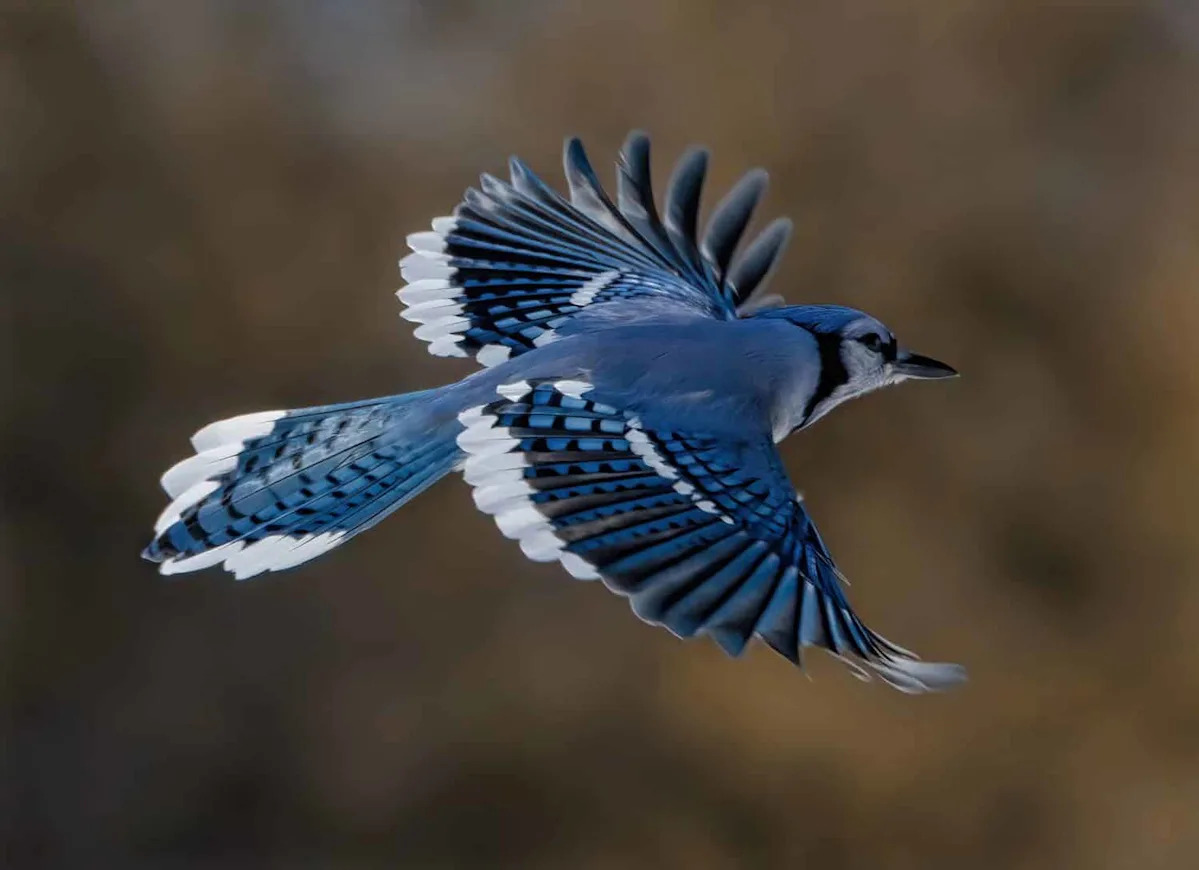
Many birds rely on anting to maintain their feathers.
©Haryadi CH/Shutterstock.com
(Haryadi CH/Shutterstock.com)
What Is Anting?
Anting, as the name suggests, is a behavior in which a bird either picks up and rubs ants on itself or lies down on anthills to let the ants crawl on it. This behavior is observed in many different species and is considered essential for some birds. While it may sound creepy to humans, birds seem to actually enjoy this. The sensation of insects crawling on them, combined with the formic acid produced by the ants, may feel like a massage or act as a stimulant for the birds. While this is one theory, there are other reasons why birds do anting.

Wood ants and carpenter ants are some examples of ants that help birds.
©iStock.com/DianaLynne
(iStock.com/DianaLynne)
Why Do Birds Practice Anting?
One important reason is pest control. Birds are hosts for a number of different parasites and bacteria, specifically on their feathers. Ants in the Formicinae subfamily, including wood and carpenter ants, naturally produce formic acid. When ants spray this acid on predators, it causes a burning and stinging sensation that deters them. However, when the acid is applied to birds’ feathers, it acts as a cleaner that removes parasites. This acid also aids in feather maintenance. The acid can remove old oil and loosen grime, making future preening easier and keeping the bird healthy.
Overall, anting does not often bother the birds. If you were to see this behavior in the wild, it might appear as though the bird is in distress. However, it is most likely intentional behavior. So, do other animals practice anting as well? While anting is most commonly observed in perching birds and corvids, there have also been reports of anting-like behavior in gray squirrels. Examples of bird species that practice anting include starlings, robins, crows, and blue jays. While birds are the primary animals known to perform anting, there have been rare reports of similar behavior in gray squirrels. For example, self-anointing is a behavior in which animals rub strong-smelling substances on their fur to help deter predators. This unique behavior highlights the remarkable ways birds rely on their environment.
The post Why Some Birds Let Ants Crawl All Over Their Bodies appeared first on A-Z Animals.