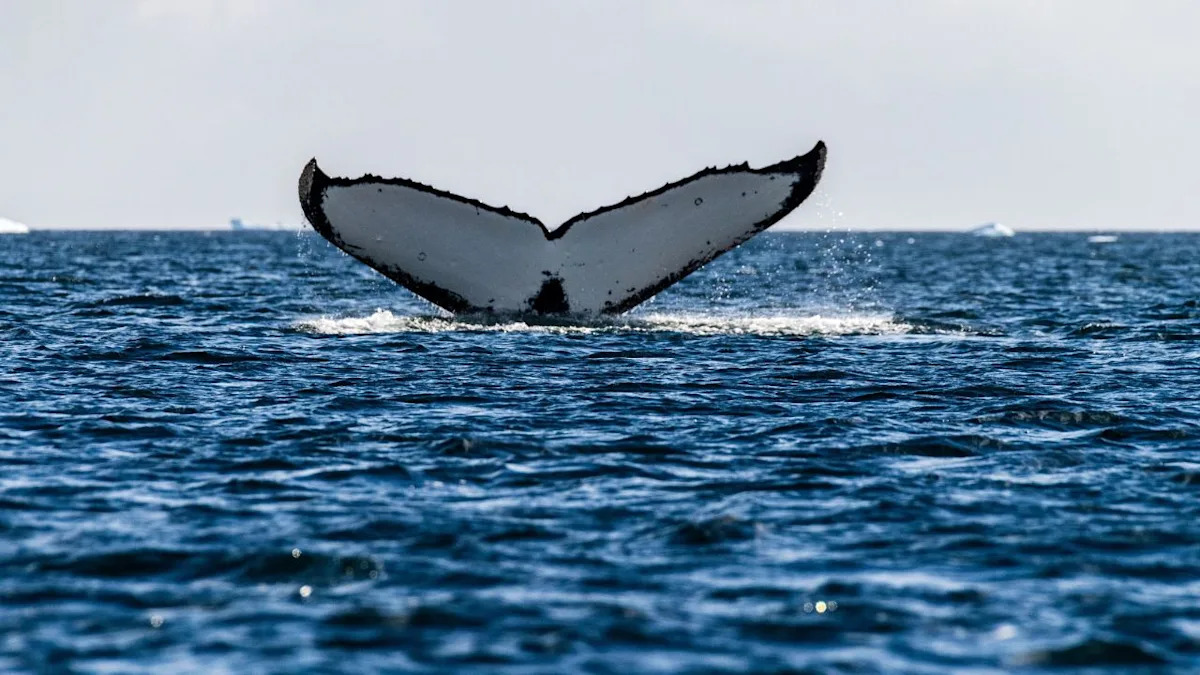
Late winter is prime time for dramatic ocean movement. Breeding grounds fill with calves, feeding zones pulse with activity, and boat wakes cut through water that suddenly looks brighter again. A good plan keeps things simple: pick one region, book a reputable operator, then build flexibility around sea conditions.
Timing still matters because nature does not read calendars. Weather, swell, and shifting routes can move action by days or even weeks. These eight locations have well-documented February windows, plus the infrastructure to get you on the water safely and responsibly.
1. Maui, Hawaii, United States

Image Credit: Shutterstock.
North Pacific humpbacks spend winter months in Hawaiian waters to breed and calve, with peak activity commonly described across January through March. February sits right in the sweet spot, and sightings are frequent on many tours departing from Maui. Breaching, tail slaps, and surface activity can be high when competition groups form. NOAA’s Hawaiian Islands Humpback Whale National Marine Sanctuary also notes the broader season and the peak window.
For the easiest planning, stay in West Maui or South Maui and pick morning departures for calmer seas. Shoreline viewpoints can also work on clear days, especially along coastal lookouts. Keep expectations realistic about distance and behavior, since conditions change quickly. Bring binoculars and avoid booking the very last slot of the day if you dislike choppy rides.
2. Samaná Bay, Dominican Republic

Image Credit: Shutterstock.
Samaná is famous for winter gatherings of humpbacks, and February is one of the most reliable months for sightings. For a stable reference, the International Whaling Commission’s Whale Watching Handbook case study on Samaná Bay is a good anchor for how the area is managed and why it draws whale-watching attention.
Choose a licensed tour that follows approach rules and avoids crowding around any single group. Morning light is excellent for photography, while afternoon trips can be rewarding when wind stays low. Plan a buffer day in case conditions cancel outings. A short stay can still work because the core viewing zone is close to town.
3. Okinawa, Japan

Image Credit: Shutterstock.
Waters around Okinawa see humpbacks during the winter season, and February sits inside the core window. Japan’s official travel site highlights January to March around the Kerama Islands as the key period, with tours running from the main island to the Keramas.
Naha works as a practical base, and then you can day-trip by boat to the Keramas. Sea state can change fast, so motion-sickness prep is smart even for experienced travelers. Pick operators that emphasize respectful viewing and limit time with any one pod. After the outing, beach walks and hot bowls of soba make a perfect decompression plan.
4. Mirissa, Sri Lanka

Image Credit: Shutterstock.
Mirissa is one of the better-known places to look for blue whales, and February can be especially promising in the south-coast season. The IWC Whale Watching Handbook profile for Sri Lanka notes blue whales off Mirissa are commonly observed between December and March, with other species sometimes appearing opportunistically.
Start early because many departures leave at dawn to maximize calmer water. Select boats with sensible passenger loads and crews that prioritize responsible distance and speed. Keep your day open, since return times vary with sightings. A short nap afterward is practically part of the itinerary.
5. Monterey Bay, California, United States

Image Credit: Shutterstock.
Monterey sits on a major corridor for seasonal movement, and winter often overlaps with gray whales passing the California coast. NOAA’s species overview notes the timing of gray whale migration along the West Coast and why they’re a popular whale-watching focus. NOAA Fisheries: Gray Whale.
Dress warmly because wind chill on the bay can bite. Morning departures often feel smoother, while later slots can turn bumpy. If you want a backup plan, coastal trails around Point Lobos and Pacific Grove provide great land-based scanning. Bring a camera with a zoom lens, but prioritize steady watching over chasing perfect shots.
6. Boa Vista, Cabo Verde

Image Credit: Shutterstock.
Boa Vista is a serious whale destination, but it’s worth being precise about timing: many local resources describe the main humpback window as spring, with March through May commonly cited. One stable reference is Boa Vista Official’s humpback whale page, which notes the typical calving-season stretch and explains why conditions can shift year to year.
If you’re traveling in February, treat it as an early-shoulder month: you might get lucky, but you’ll want flexibility and realistic expectations. Ask operators what they’ve seen recently and how the swell has been running. Choose outings with conservative safety practices, because comfort and sea state matter more than temperature.
7. Tenerife, Canary Islands, Spain

Image Credit: Shutterstock.
Tenerife is known for year-round cetacean watching, especially off the southwest coast, which makes February a solid “no-seasonal-drama” pick. For an official reference point, the Tenerife tourism authority publishes whale- and dolphin-watching regulations that outline approach rules and basic conduct.
Departures from Costa Adeje and nearby ports are the easiest to book. Look for operators that clearly follow local rules and limit pressure on the animals. Morning light can be gorgeous on calm days, with the island’s cliffs framing the horizon. Treat this stop as a high-likelihood wildlife outing with a side of ocean therapy.
8. Antarctic Peninsula

Image Credit: Shutterstock.
Southern summer brings peak wildlife viewing in Antarctica, and February is frequently described as a strong month for whale encounters as animals feed in productive waters. Expedition routes vary with weather, but late-season conditions often support excellent marine viewing.
Choose an operator that follows recognized wildlife-viewing procedures and low-impact practices. IAATO publishes operational guidance for whale watching that many Antarctic operators reference in practice. IAATO Operational Procedures for Watching Whales (PDF). Pack layers, waterproof outerwear, and eye protection because glare can be intense. Seas on the Drake Passage can be rough, so consider motion remedies.