Parade Pets and Yahoo may earn commission from links in this article.
Dogs may not speak our language, but they’re always communicating with us in their own canine way through different behaviors. From the way they hold their bodies to the position of their ears and even small movements of their eyes or tails, subtle movements offer important insight into how they’re feeling. The tricky part for many pet parents is figuring out what those signals actually mean. To help you out, we rounded up 8 dog body language signs so you can understand your pup better, according to experts.
After all, while a wagging tail can seem like an obvious sign of happiness, it’s not always that simple. Same for a hard stare, a lick of the lips or even a dog pacing across the room as they can mean anything from excitement to stress. To help make sense of these everyday dog behaviors, we asked veterinarians and professional dog trainers to give some insight on how pet parents can read their dog’s body language and decode it. That way, it’s less confusing.
By learning these signs, you’ll be able to better understand your dog, respond to their needs, and strengthen the bond you share. With just a little attention to their gestures and movements, your dog’s daily behavior can become much easier to interpret—making life together more joyful for both you and your pup.
Related: 7 Signs Your Dog Considers You Their Hero, Says a Trainer
8 Dog Body Language Signs Every Owner Should Know
Dogs communicate far more through movement and posture than through sound. Paying attention to canine body language and behavior cues can reveal what your dog is feeling and how they’re reacting to their environment.

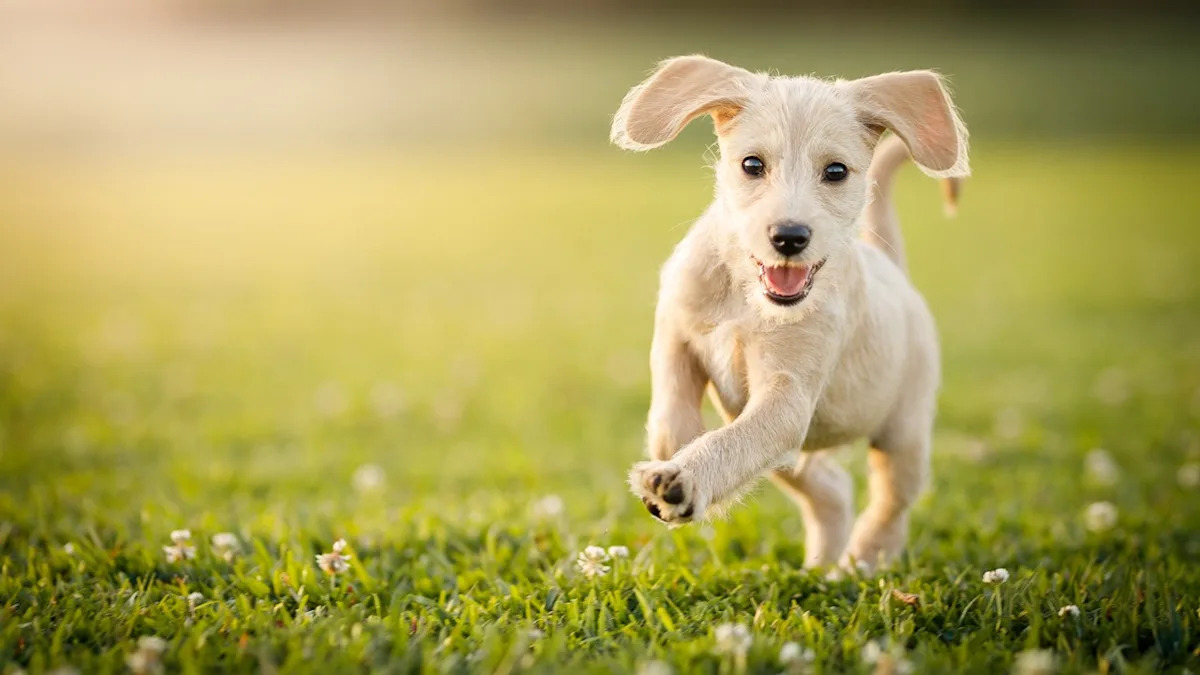
A puppy displaying happy body language.Getty Images Viktor Cvetkovic
(Getty Images Viktor Cvetkovic)
Pacing and Circling
If your dog repeatedly walks back and forth across the room or circles the same spot, it’s not always excess energy. That’s why understand dog behavior is difficult when you’re a dog mom or dad. So what’s your dog trying to tell you when they do this?
In dogs of any age, this can signal anxiety, pain or gastrointestinal upset. Pacing that appears suddenly, happens frequently or is paired with other changes like confusion, accidents in the house or disrupted sleep is worth getting checked out by your veterinarian. “Repetitive movement, particularly in aging dogs, can be a sign of cognitive dysfunction syndrome or internal restlessness caused by discomfort,” adds Bethany Hsia, veterinarian and co-founder of CodaPet.
Understanding these movements is an important part of reading your dog’s body language and recognizing subtle dog behavior signs that help you respond to their needs effectively.
Avoidance and Isolation
One common but often overlooked form of dog body language is avoidance and isolation. This type of dog behavior can easily be misread or go unnoticed by pet parents. Dogs that normally love attention but suddenly seem withdrawn may be trying to tell you something important as this can be a form of dog communication.
“A dog that suddenly seeks isolation or turns its body away from previously enjoyed social touch may be communicating that physical interaction has become painful,” Hsia explains. Turning away, leaving the room or lying down in a quiet corner may be your dog’s way of telling you they’re uncomfortable, ill or stressed. While many dogs simply need downtime, a noticeable shift in your dog’s personality warrants a veterinary checkup to rule out underlying medical issues.
Ears Forward
Did you know that your dog’s body language includes signs from their ear positons? A dog’s ears are like emotional antennae, and this dog behavioral sign says they’re likely tuned in. “When a dog’s ears are upright and leaning forward, they’re alert and taking in information,” says Mary van Kriedt, certified dog trainer and founder of FreeRun Leashes Inc. “Something has their attention.”
Basically, forward ears can signal curiosity, interest, or excitement. You might notice that your pup does this when they hear a new sound, spots a squirrel in the yard, or watches another dog approach. Observing these ear movements helps you interpret your dog’s behavior and respond in ways that make them feel safe, understood and engaged.
A Fast Tail Wag
Why do dog wags their tail? Well, it’s a popular misconception that any tail wag equals happiness, but experts say speed and height add context to what your dog is actually trying to tell you. A high, tight wag, for instance, can signal rising arousal. “The dog’s nervous system is ramping up,” van Kriedt says. “That excitement isn’t automatically negative, but if they become overstimulated or frustrated, it can tip into reactivity.”
On the other hand, a loose, sweeping wag with a dog’s hips often means they are feeling relaxed and friendly, while a quick, rigid tail wag that is held high over their back is often a sign of alertness or agitation. Pay attention to the whole picture, because your dog’s tail posture is just one piece of the puzzle when it comes to decoding a dog’s body language.
The Play Bow
Few canine body language signs are as cute as the classic play bow. “When a dog lowers their front end and keeps their back end up, they’re clearly saying, ‘This is play,’” van Kriedt explains. “It’s their way of making sure the interaction stays friendly.”
In a play bow, dogs stretch their front legs forward, dip their chest low and wag their tail high in the air. This dog behavior cue is an invitation to play or a way to reset interactions that may have gotten too intense. Observing this sign is an important part of understanding your dog’s moods and intentions, helping you recognize when your pup is relaxed, happy, or ready for friendly social interaction.
Related: 7 of the Prettiest Dog Breeds You’ll Ever Meet, According to Experts
Lip Licking
Although easy to miss, lip licking is a subtle but important dog body language sign that can reveal a lot about your pup’s emotional state. A quick tongue flick when no food is around is often a small stress signal. “It’s a dog’s way of trying to calm themselves or the situation,” van Kriedt says. “Some dogs will lick their lips when you touch them in places they would rather you didn’t.”
You may also notice your dog licking its lips at the vet’s office, during grooming or when a child leans in for a hug. That’s because this dog behavior cue is widely recognized as a way for dogs to communicate anxiety, or the need for space. Repeated lip licking, often paired with yawning or turning the head away, can signal that your dog is asking for a moment of calmness. So, if you notice your pup doing this, they are trying to silently communicate with you what their needs are in that moment.
Rapid Blinking
Another classic dog behavior sign you need to know include blinking. In fact, eye movements can be subtle but powerful indicators of emotion and a way your dog speaks to you without making a sound. “Repeated blinking or looking away is often a calming signal,” van Kriedt explains. “A dog doing this is trying to lower the tension at the moment.”
When dogs feel uneasy, they may avoid direct eye contact by blinking rapidly or glancing to the side. It’s an important behavior that helps diffuse potential conflict. Slow blinking and soft eyes, meanwhile, are your dog’s way of telling you that they’re feeling relaxed and trusting.
The Hard Stare
At the other end of the spectrum, a hard stare should never be ignored. “When a dog is giving an intense stare without blinking, and the eyes are dilated, it means the dog feels threatened or dominant,” says Sally Grottini, veteran dog trainer and JustAnswer dog behavior expert. “You should be prepared for some aggressive behavior.”
A hard stare is often paired with a stiff body, closed mouth and still posture. If you see this expression directed at another dog or person, it’s best to calmly create distance and redirect your dog’s attention before the situation escalates.
Understanding your dog’s body language doesn’t just prevent problems. It strengthens your bond. When you can recognize early signs of stress, excitement or discomfort, you become better equipped to help your four-legged friend feel safe, comfortable and understood.
Sources:
Bethany Hsia, veterinarian and co-founder of CodaPet
Mary van Kriedt, certified dog trainer and founder of FreeRun Leashes Inc.
Sally Grottini, veteran dog trainer and JustAnswer dog behavior expert
This story was originally published by Parade Pets on Mar 8, 2026, where it first appeared in the Dogs section. Add Parade Pets as a Preferred Source by clicking here.