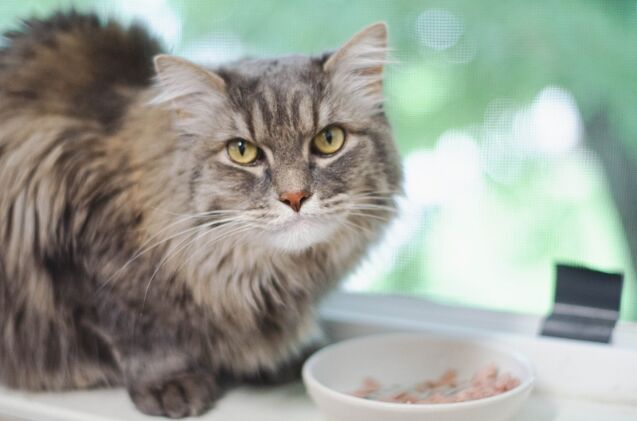

Photo credit: Adrian2004 / Shutterstock.com
Photo credit: Adrian2004 / Shutterstock.com
Among the nutrients that keep our cats thriving, few are as critical as taurine. While you might see it listed on the back of a bag of kibble or hear mention of it in the cat community, it often doesn’t get the attention it deserves. Taurine isn’t just an optional supplement; it’s essential for your cat’s heart health.
The reason this is so important to discuss is that cats simply cannot produce enough taurine on their own. They rely entirely on their diet to meet their needs. By learning about the specific role this nutrient plays and how to incorporate it properly into your cat’s diet, you can help them enjoy the happy, healthy life they deserve.
Disclosure: PetGuide may receive a small affiliate commission from purchases made via links in this article, but at no cost to you.
Why Taurine is Non-Negotiable
To understand why taurine is so important, we have to look at the specific systems it supports. Because cats cannot synthesize this key amino acid in meaningful amounts, it must be present in their diet in order to keep their organs healthy and functioning as they should.
Cardiac Function and Heart Strength
The heart is perhaps the most important factor to consider when discussing taurine levels. Without enough taurine, the walls of the heart can become thin and stretched. This is a condition known as dilated cardiomyopathy (DCM).
It is also responsible for maintaining the overall health of your cat’s cardiac muscles, ensuring the heart can pump blood efficiently throughout the body. It does this by regulating the movement of calcium ions in and out of heart cells, which is the mechanical “trigger” that allows the heart muscle to contract.
By supporting a strong heartbeat, taurine ensures that oxygen and nutrients reach every other part of your cat’s body.
Vision and Retinal Health
If you have ever marvelled at your cat’s ability to see in low light, you can thank taurine. It is found in very high concentrations in the retina. Taurine works to protect the photoreceptor cells that translate light into images. A deficiency of this amino acid leads to the gradual breakdown of these cells. Because this happens slowly, many cat parents don’t realize there is an issue until significant, irreversible vision loss has occurred.
Digestive Health and Metabolism
Taurine plays a behind-the-scenes role in how your cat processes the food they eat every day. Unlike many other animals that can use glycine for digestion, cats almost exclusively use taurine to form bile salts. These are essential for breaking down and absorbing dietary fats. Without efficient fat absorption, a cat can suffer from malnutrition even if they are eating plenty of calories.
Immune Response and Reproduction
Beyond the heart and eyes, taurine acts as a general protector for your cat’s body. It helps protect cells from inflammation. For breeding cats, it is essential to carry a pregnancy to full term and support the healthy development of the kittens in the womb.
Kittens require high levels of taurine during the first year of their little lives to ensure they develop properly. It is especially important in the development of the neurological and muscular systems.
Where Do Cats Get Taurine?
Since we know that cats cannot produce this essential nutrient on their own, the burden falls entirely on their diet. Because taurine is found almost exclusively in animal tissues, the quality and type of protein in your cat’s bowl are the most significant factors in their long-term health. However, not all proteins are created equal when it comes to taurine concentration! Generally, the more “active” the muscle, the higher the taurine content.
-
Heart: Because the heart never stops working, it is the richest natural source of taurine
-
Dark Meat and Organs: Thigh meat (dark meat) contains significantly more taurine than breast meat (white meat). Organ meats, particularly the liver and kidneys, also provide higher amounts.
-
Marine Life: Shellfish (like mussels and clams) and many types of fish are incredibly dense in taurine, which is why seafood is a common staple in high-quality feline diets
-
The Absence in Plants: It is important to note that grains, vegetables, and fruits contain virtually zero taurine. This is the primary reason why a vegan or vegetarian diet is not only unsuitable for a cat but also dangerous.
It isn’t just about how much taurine is in the food; it’s about how much your cat can actually use. Highly digestible animal proteins ensure that taurine is readily available to be absorbed in your cat’s small intestine. This is why reputable pet food companies perform feeding trials and lab analysis to ensure that the final product meets the minimum standards set by organizations like AAFCO.
The Impact of Food Processing
Even if a raw ingredient is high in taurine, the way that food is prepared and stored can change how much actually reaches your cat’s system. For cat parents dedicated to quality of life, understanding these nuances is key. Some important considerations for how your cat’s food is made include:
-
Heat Sensitivity: High-temperature cooking (such as the rendering process for some kibbles or the sterilization of canned food) can degrade taurine. Manufacturers often compensate for this by adding synthetic taurine back into the food after cooking.
-
The Leaching Effect: Taurine is water-soluble. If meat is boiled and the water is discarded, much of the taurine is lost with that water. In canned foods, the “gravy” often contains a significant portion of the total taurine.
-
Grinding and Oxidation: Exposing meat to air during heavy grinding can lead to taurine loss over time.
-
Fiber and Bacteria: High levels of dietary fiber or certain types of bacteria in the gut can actually interfere with how well your cat absorbs taurine, meaning they may need more of it in their diet if the current source isn’t highly digestible.

Photo credit: Arinau20 / Shutterstock.com
Photo credit: Arinau20 / Shutterstock.com
Complications of Low Taurine
One of the most challenging aspects of a taurine deficiency is its silent nature. Because the body stores small amounts of taurine throughout the body, a cat can eat a deficient diet for months or even years before any visible signs of trouble appear. By the time most cat parents will notice a change, the internal damage is often quite advanced. The most common conditions associated with a taurine deficiency in cats include:
Feline Central Retinal Degeneration (FCRD)
Taurine is essential for the health of cells in the retina. When these levels drop, the photoreceptors begin to die off. This isn’t a sudden blindness. Instead, it is a gradual loss of vision caused by the slow thinning of the retinal tissue. Cats are masters of compensating for sensory loss. They may use their whiskers and sense of hearing to navigate your home, a familiar space, so well that you don’t even realize that they are losing their sight.
Once retinal cells are lost, they will not regenerate. While addressing the taurine deficiency can stop further damage, it can’t fix the vision that they have already lost.
Dilated Cardiomyopathy (DCM)
As I mentioned earlier, taurine is essential for heart muscle contraction. When the heart fails to operate as it should, its structure actually changes, and the heart muscle becomes weak. To compensate, the chambers stretch out (dilate) to try to hold more blood, but they lack the strength to pump that blood out. Left unaddressed, this will progress to congestive heart failure, which can also lead to fluid buildup in the lungs.
Red flags to watch out for:
-
Lethargy: Your cat may seem unusually tired or stop engaging in play
-
Breathing Changes: Labored breathing or panting after minor physical activity
-
Fainting or Weakness: Sudden collapse due to poor oxygen circulation
Reproductive Failure and Developmental Issues
For those caring for pregnant cats or growing kittens, the signs of deficiency often show up in the next generation. Cats with low taurine often struggle to carry a litter to term. Kittens born to deficient mothers may experience a condition called “fading kitten syndrome” or have significant developmental delays. Poor coordination or abnormal brain development can occur in kittens who aren’t given adequate taurine during their first few weeks of life.
Compromised Immune Function
Taurine plays a role in how white blood cells respond to threats. While not as obvious as heart or eye issues, a deficiency can leave your cat vulnerable to common infections. If your kitty seems to catch everything, is often sick, or takes a long time to recover from minor illnesses, they may be struggling with a deficiency.
While many factors affect your cat’s skin, a dull, brittle coat or the presence of dandruff can both be signs that they are suffering from a deficiency, and the body is diverting limited nutrients away from non-essential systems to protect their vital organs.
How to Ensure Your Cat is Getting the Taurine They Need
Keeping your cat happy and healthy means being proactive with their health rather than reactive. Because a taurine deficiency is so quiet in its early stages, the most effective strategy is to ensure your cat’s diet is nutritionally solid from the start. Here are some steps you can take to verify your cat is getting the taurine they need from their diet:
Choose AAFCO-Compliant Diets
The simplest way to ensure your cat is protected is to look for the Association of American Feed Control Officials (AAFCO) adequacy statement on the packaging. AAFCO-compliant foods are formulated to meet specific minimums for taurine (0.10% on a dry matter basis for dry food, 0.20% for canned food).
You may notice that the requirement for canned food is double that of dry food. This is because heat processing used in canning can affect how gut bacteria break down taurine, so food manufacturers add extra to compensate for that loss. Look for brands that conduct feeding trials rather than just relying on formulation. This ensures that the included taurine is actually being absorbed effectively by real cats, not just existing on a lab report.
Be Cautious with Home-Cooked and Raw Diets
Many dedicated cat parents are turning to home-cooked or raw diets to avoid fillers and provide fresh ingredients. While the intent is excellent and these diets can be done effectively, they carry the highest risk of taurine deficiency. The reason? It is up to you, as you plan their diet, to ensure it is properly balanced.
If you are boiling meat for your cat, remember that taurine is water-soluble. If you throw out that cooking water, you are throwing out valuable taurine. Always include the broth in their meal. If you’re grinding meat, freshness matters. Once it is ground, the surface area increases, which leads to faster oxidation and potential loss of taurine over time.
Interested in feeding a home-cooked or raw diet? The best step you can take to protect your cat’s health is to work with a board-certified veterinary nutritionist. They can provide you with a recipe that addresses everything your cat needs, including addressing any gaps that may develop during preparation.
Consider Supplementation
For most healthy cats on a high-quality commercial diet, taurine supplementation isn’t necessary. However, there are some scenarios where it could be beneficial to your cat’s health and well-being. If your cat has been struggling with digestive issues or malabsorption, their vet might suggest a temporary boost. Cats already diagnosed with heart or eye issues may be put on a high-dose taurine supplement to support the remaining healthy tissue
If you’re looking for a reliable way to bridge any nutritional gaps, you may wish to consider adding a supplement like InClover Heart+ Muscle & Weight to their diet.
One of the benefits of taurine is its high margin of safety. It is very difficult to overdose a cat on taurine, as they body typically excretes any excess through the urine. However, because every cat’s needs are unique, you should consult with your vet before introducing any new supplement into your kitty’s routine.
Regular Veterinary Check-ups
Your veterinarian is your best partner in monitoring your cat’s internal health. If you are worried about your cat’s health or have noticed any signs of trouble, be sure to mention it. They would rather you be overconcerned than overlook something that could be important.
During annual exams, they will listen for murmurs or irregular rhythms that could be early signs of heart changes. A standard eye exam allows them to look directly at the retina for any signs of thinning or lesions associated with deficiency. While not a routine test, blood taurine levels can also be measured if there is any reason to be concerned about your cat’s diet or health.
Help Your Cat Live a Long, Happy Life
Taurine is a perfect example of how small, often-overlooked details can have the biggest impact on our cats’ lives. By learning about the importance of taurine and ensuring they receive this essential amino acid in every meal, you aren’t just feeding your best friend; you are protecting their vision, strengthening their heart, and preventing serious health problems. It’s a simple commitment that can make all the difference!
Join the PetGuide community. Get the latest pet news and product recommendations by subscribing to our newsletter here.