Reviewed by Dietitian Katey Davidson, M.Sc.FN, RD, CPT

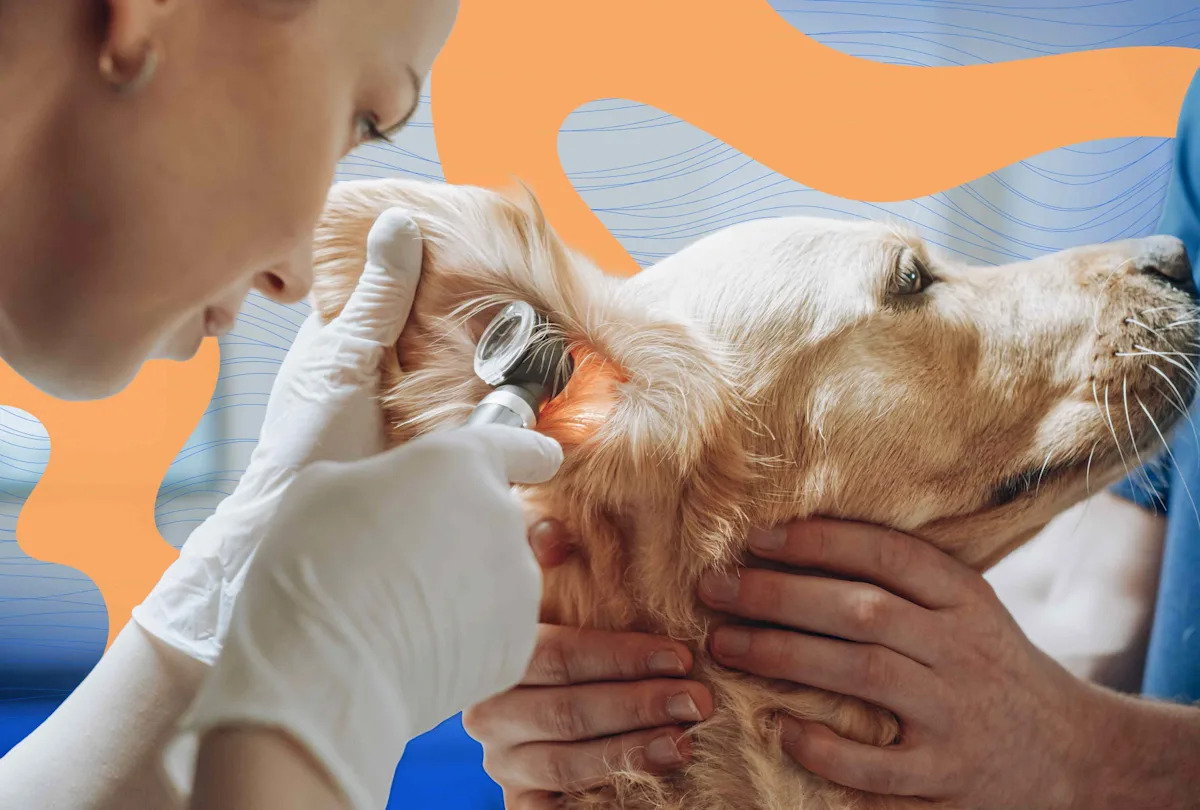
Credit: Getty Images. EatingWell design.
Key Points
-
Work with your veterinarian to identify and manage pet food allergies for comfort and health.
-
Common symptoms include skin, ear and digestive issues, even intermittent ones.
-
Careful diet choices, label reading and supportive care help manage sensitivities.
“Any allergies?” has become a common question at restaurants around the world, and it’s now a question posed to our best friends—the ones on four legs.
But like humans, pets haven’t suddenly developed new allergies or become more sensitive. Instead, we’ve simply gotten better at recognizing them.
“Most experts believe food allergies have always existed, but were underdiagnosed,” says Lindsay Cassibry, M.P.H., D.V.M., a veterinarian. “Now we have clearer diagnostic pathways and more conversations around nutrition, and veterinarians today are trained to differentiate true food allergies from environmental allergies, GI issues and atopy [hypersensitivity].”
“Greater emphasis on evidence-based diagnostics has helped us recognize when diet may be contributing to symptoms that were previously attributed only to environmental or seasonal causes,” adds Moran Tal-Gavriel, D.V.M. “Historically, pets with chronic itching, recurrent ear infections or digestive issues were often described as having ‘sensitive stomachs’ or ‘skin issues,’ without fully exploring how diet might be contributing.”
Thanks to more research on the matter, pet food sensitivities are now better understood, driving increased demand for higher-quality pet food. To learn more, we spoke with three pet nutrition experts to uncover the most common pet food sensitivities and how to best identify and manage them.
Signs Your Pet May Have a Food Sensitivity
Before diving into common food sensitivities, it’s helpful to understand how veterinarians define and diagnose food-related reactions.
“In veterinary medicine, we now use the term adverse food reaction, which encompasses both immune-mediated food allergies and non-immune food intolerances. This terminology reflects a more updated and nuanced understanding of how pets respond to food,” Tal-Gavriel explains.
Adverse food reactions typically show up in the skin and digestive systems, say Cassibry and Tal-Gavriel.
Dermatologic (Skin) Signs:
-
Itching or excessive scratching
-
Small scabs, sores or areas of inflammation
-
Skin redness or irritation, even if intermittent
Gastrointestinal Signs:
-
Chronic anal gland issues
-
Intermittent digestive upset
Because these symptoms can overlap with environmental allergies or other conditions, it’s important to work closely with a veterinarian to identify the underlying cause.
1. Common Proteins
Across the board, chicken is the most common culprit. “It’s used in so many pet products, ranging from food to treats, that pets can easily be overexposed to it,” says Katie McCarron, founder of Portland Pet Food Company.
Cassibry agrees, noting that along with beef and dairy (e.g., whey and casein), chicken “rises to the top simply because they’re the most widely used ingredients in commercial pet foods.” She adds, “A food labeled as ‘beef’ may still contain chicken fat, poultry digest or egg product.”
For cats, fish joins beef and chicken as a common trigger “These patterns are less about certain proteins being inherently problematic and more about exposure,” explains Tal-Gavriel.
“True food allergies can also involve cross-reactivity of the immune response to other protein sources,” Tal-Gavriel adds. “For example, if a pet has a true allergy to beef, there can be cross-reactivity with lamb or venison. Similarly, pets allergic to chicken may later react to turkey. This reinforces the importance of a personalized, evidence-based approach to nutrition.”
2. Grains & Starchy Fillers
In a response to pet food sensitivities, grain-free diets have surged in popularity, reaching a market value of $49.13 billion in 2024. As early as 2017, 44% of the dry dog foods and 47% of the dry cat foods were already grain-free. An international survey in 2021 shows that the trend has persisted, despite concerns about a potential link to canine heart disease.,
It’s a matter of risk versus reward. Wheat and corn, for example, have emerged as common triggers for adverse food reactions in pets. Wheat—which contains gluten—ranks alongside beef, dairy and chicken for dogs with confirmed allergies, says Tal-Gavriel.
Grains are often labeled as fillers, along with legumes like peas and soy products, such as soy protein isolate and soy flour, says McCarron. Part of the reason these ingredients can trigger sensitivities may come as a surprise: fiber.
“Some pets thrive on certain types of fiber, while others do better with different levels or fiber sources. These sensitivities aren’t about the quality of the food, but about how an individual pet’s digestive system responds,” explains Tal-Gavriel.
McCarron advises pet owners to be aware of the portions of these ingredients in diets—sometimes a little less can make all the difference.
3. Nutrient Sensitivities
In another surprising twist, Tal-Gavriel notes, “Beyond true food allergies, I often see nutrient sensitivities, which are very common and frequently misunderstood.” One example is dietary fats, even though “food allergies are reactions to proteins—not fats themselves,” she explains.
“But animal-derived fats can still trigger allergic reactions in sensitive pets,” says Tal-Gavriel. Depending on the manufacturer, supplier and level of processing, fats may contain residual protein from the animal of origin. “If fats are not highly refined and purified, even trace amounts of protein may be enough to cause symptoms in pets with true food allergies.”
“For this reason, ingredients such as poultry fat, animal fat, digest or natural flavor are often considered potential ‘hidden’ allergens, particularly in treats, chews, toppers, supplements and flavored medications,” she adds.
On the other hand, pets with a history of gastrointestinal sensitivity might have difficulty tolerating higher levels of dietary fat without being technically allergic to it or the protein. “In these cases, adjusting fat levels within an otherwise complete and balanced diet can make a meaningful difference in digestive comfort,” she assures.
4. Storage Mites
Last but not least, there’s an unusual and often overlooked offender: storage mites.
Not to be confused with dust mites, storage mites are microscopic pests that thrive in protein-, cereal- and fat-rich environments—like dry pet food—especially under warm, humid conditions.
Cassibry names storage mites as a frequent challenge when diagnosing dogs. “They can contaminate dry pet food—especially kibble that’s been open for a while—leading to symptoms that mimic food allergies.” For many dogs, this can result in chronic, recurrent atopic dermatitis, a common symptom of allergies or adverse food reactions.
Cats may also develop similar skin irritations, and both dogs and cats can also show respiratory signs such as coughing, sneezing or difficulty breathing.
While something to be mindful of, they’re not highly prevalent in most households. “In most cases, only 1-2% of mites in house dust are storage mites, as they need a permanent air humidity of 70%,” explains Regina Wagner, Ph.D.
Tips for Buying Pet Food
-
Look for Transparent Labels. “Being able to clearly see what ingredients are used, where they come from and how they’re sourced helps pet parents make more informed decisions,” says Tal-Gavriel.
-
Avoid Vague Terms. “Terms such as ‘animal fat,’ ‘poultry fat,’ ‘natural flavor’ or ‘digest’ may be derived from chicken or other animal proteins, even if the protein source isn’t immediately obvious. Similarly, terms like ‘by-product meal’ or ‘meat meal’ can include multiple protein sources that a pet may react to,” Tal-Gavriel explains.
-
Watch Out for Ingredient Splitting. This happens when similar ingredients are listed separately to hide their true amounts. Look for multiple forms of the same ingredient (e.g., peas, pea protein, pea flour) that together may outweigh the “main” ingredient (e.g., chicken.)
-
Try Hydrolyzed Protein. “Hydrolyzed proteins are broken down into very small fragments that are less likely to be recognized by the immune system,” explains Tal-Gavriel. “As a result, a pet with a confirmed chicken allergy may still tolerate a hydrolyzed chicken protein diet, even though they cannot tolerate intact chicken protein.” Ask your veterinarian if this is suitable for your pet.
-
Avoid Too Many Proteins. Rotating through too many proteins can make it harder to pinpoint a potential allergy or sensitivity, says Tal-Gavriel. “A small, intentional rotation still provides nutritional diversity and keeps mealtime interesting.”
-
Support Them with Omega-3s and Probiotics. While “supplements can’t be used to treat food allergies directly, they can play a valuable supportive role as part of a broader nutrition plan,” says Tal-Gavriel. “For example, omega-3 fatty acids such as EPA and DHA may help support skin barrier function and inflammatory balance while selected probiotics may support gut health and intestinal barrier integrity.”
Our Expert Take
“Food allergies affect a relatively small percentage of pets overall, but when they do occur, they can have a significant impact on comfort and quality of life,” says Tal-Gavriel. The best approach is to work closely with your veterinarian to identify any potential food allergies. Common symptoms include skin irritations, ear infections, loose stool, intermittent diarrhea, vomiting, excessive gas or anal gland issues.
Cassibry adds, “Food sensitivities are highly manageable with the right combination of diet, careful label reading and supportive care discussed with your veterinarian.”
Read the original article on EatingWell