Parade Pets and Yahoo may earn commission from links in this article.
It’s easy to fall into a routine with your dog. You go for walks at a certain time every day, have your cuddle time, head to work and then repeat. But while most dogs thrive on a consistent schedule, it often takes more than a basic routine to truly satisfy your dog’s emotional needs. To find out the number one way to make your dog happy and improve their quality of life, keep reading!
“Dogs have been domesticated for as long as 30,000 years,” points out Elisha Stynchula, CPDT-KA, certified dog trainer and owner of I Said Sit School for Dogs. “For thousands of years, humans have spent hours a day working with their dogs. Hunting, herding and farm work are just a few things we have done with our dogs, and now so many dogs don’t get to do anything.”
That doesn’t mean your pup will be unhappy if you don’t live on a farm. In fact, some breeds aren’t wired for “traditional” labor. But while every dog is an individual, Stynchula says there is a specific bonding exercise all pet owners can use to boost their pup’s mood.
Even if you feel your dog already has a great life, Stynchula notes that every dog—and pet parents—can benefit from this shift in canine communication. So, what can you do to make your dog feel happy and content? It just requires carving out a little extra time for intentional engagement. The results for your dog’s mental well-being are massive. Discover the number one secret to dog happiness below.
Related: 8 Dog Body Language Signs to Help You Understand Your Pup Better
The #1 Way to Make Your Dog Feel Happy

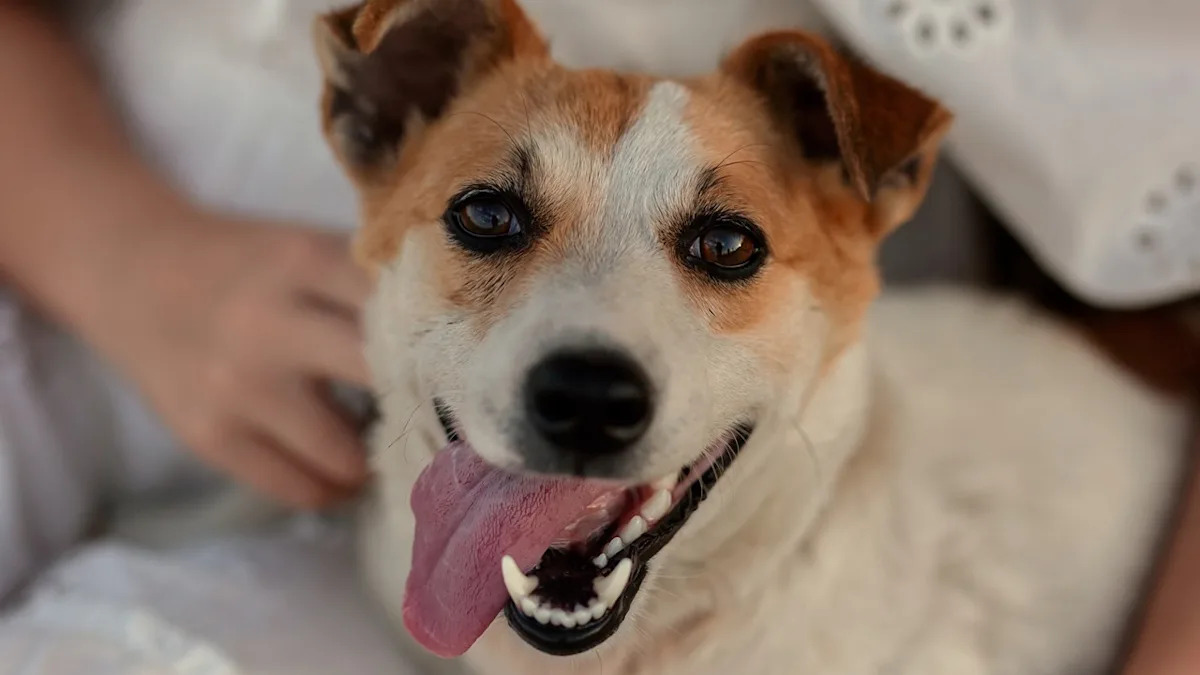
A happy dog in a good mood with its owner.Getty Images Iuliia Zavalishina
(Getty Images Iuliia Zavalishina)
What makes a dog feel most loved and is guaranteed to make your dog feel happy? It’s setting aside dedicated time to connect with your dog through intentional bonding activities. “Now more than ever, it is so important that humans who have chosen to bring a dog into their lives make the time to spend with their dogs,” Stynchula says. “You have to just schedule it as something very important you have to do.”
Taking the time for quality interaction and canine enrichment doesn’t just improve dog behavior, it fundamentally alters their physiology. This dedicated time lowers levels of the stress hormone cortisol and increases levels of the love hormone oxytocin for both of you, Stynchula points out. Ultimately, focusing on your dog’s mental well-being through consistent positive reinforcement and companionship ensures a healthier, happier life for both ends of the leash.
Related: 7 Signs You Have an Unbreakable Bond with Your Dog, According to a Trainer
Expert-Approved Activities for Canine Enrichment and Bonding
What you do during your dedicated time depends entirely on your dog’s unique personality and breed-specific needs. “There is a large movement in the dog training community to honor the genetic predisposition of dogs to certain activities and find ways to fulfill that,” Stynchula says.
For example, Australian Shepherds may prefer something physical that involves herding or agility, while a Cavalier King Charles Spaniel may be thrilled to play a short game of fetch around your yard, followed by cuddle time on the couch. You can even look into bigger activities you and your pooch can do together, like agility training classes, or simply set up obstacles in your yard or local park for your dog to do.
However, you don’t need to make massive gestures to have a big impact on your dog’s mental health. At a bare minimum, practicing mindful pet ownership is key. “At a bare minimum, be present with your dog,” Stynchula says. “That includes leaving your phone in your pocket so that you can fully concentrate on your pooch. Make eye contact and enjoy the time you have and let them be a dog and sniff and chew on a stick in a park.”
Above all, just try to set aside dedicated time for your dog each day. Even a few minutes of focused interaction can drastically improve your dog’s happiness and strengthen your lifelong bond. “Your dogs is so happy to just have your attention,” Stynchula says.
Source:
-
Elisha Stynchula, CPDT-KA, certified dog trainer and owner of I Said Sit School for Dogs
This story was originally published by Parade Pets on Mar 22, 2026, where it first appeared in the Dogs section. Add Parade Pets as a Preferred Source by clicking here.