The post A Look Inside the Intimidating Mouth of a Leatherback Sea Turtle appeared first on A-Z Animals.
Quick Take
-
The inside of leatherback sea turtles’ mouths is full of spikes that can be highly intimidating.
-
The spikes are used to prevent their food source from slipping out of their mouth.
-
This species feeds on gelatinous sea life like jellyfish or salps.
The ocean is home to an extreme variety of species and animals. This diversity results in amazing adaptations and appearances, which help the animals survive in their environment. One example is the surprising structure of a leatherback sea turtle’s mouth. The spikey interior is a terrifying sight! This Instagram post by @jack_son_486 shows a video of the inside of this species’ mouth. Read here to learn more.

About the Leatherback Turtle
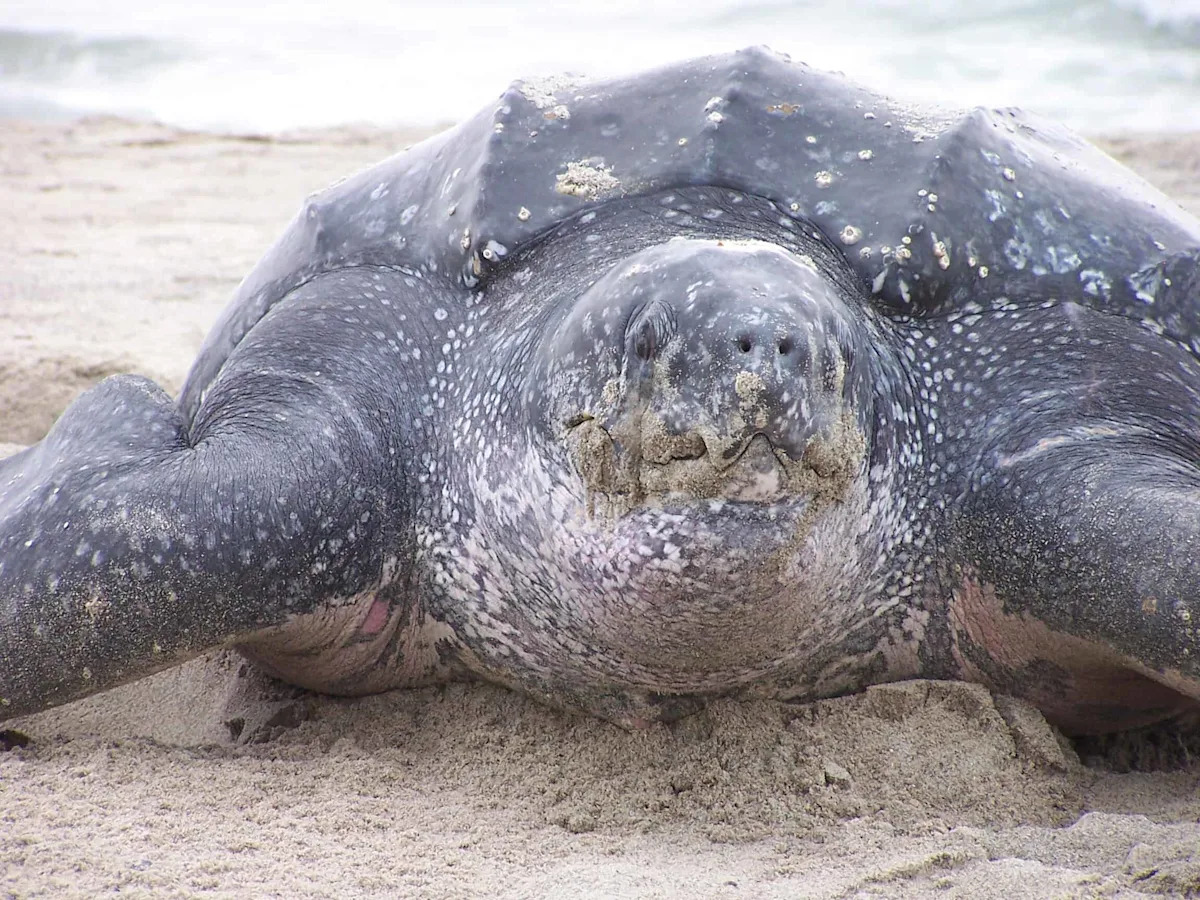
The leatherback sea turtle is a species that inhabits all major oceans of the world. They span a wide range of temperatures, including both tropical and cold waters. This makes them adaptable and resilient. Leatherback sea turtles are famous for being among the largest sea turtle species in the world. They typically grow to around 6 feet long and weigh anywhere between 500 and 1,500 pounds! One of their distinct features is that they do not have hard shells. Instead, they have rubbery and leathery skin, hence their name. Leatherbacks spend most of their time in the ocean; their estimated lifespans range from 30 to 50 years or more, though precise data is limited. During their lives, they undertake long-distance migrations, crossing entire oceans. While they may appear docile and majestic while navigating their underwater world, the inside of their mouths is shockingly nightmarish.

Jellyfish are leatherbacks’ primary food, but they also eat other gelatinous animals like salps.
©Da Da Diamond/Shutterstock.com
(Da Da Diamond/Shutterstock.com)
Why Are Their Mouths So Creepy?
As seen in the video above, leatherback sea turtles’ mouths are almost alien-like. The inside is lined with spiny structures called esophageal papillae that point inwards. The barbs are intimidating and appear painful for any prey caught in them. But what is the purpose of these pointy protrusions? The answer lies in the sea turtle’s diet. Leatherback sea turtles commonly feed on jellyfish, which can be both slippery and painful due to their stings. The papillae help to counteract this. Since jellyfish are soft and gelatinous, the spines help hold the jellyfish in the mouth without allowing it to slip back out. The thick tissue that lines the turtle’s mouth and throat prevents the stings of jellyfish from harming them. This feature of an otherwise innocent-looking marine creature reminds us that nature’s adaptations can be somewhat horrifying, especially to prey that finds itself lodged in a leatherback sea turtle’s spiny mouth.
The post A Look Inside the Intimidating Mouth of a Leatherback Sea Turtle appeared first on A-Z Animals.