When you buy through links on our articles, Future and its syndication partners may earn a commission.

Credit: stefbennett via Alamy
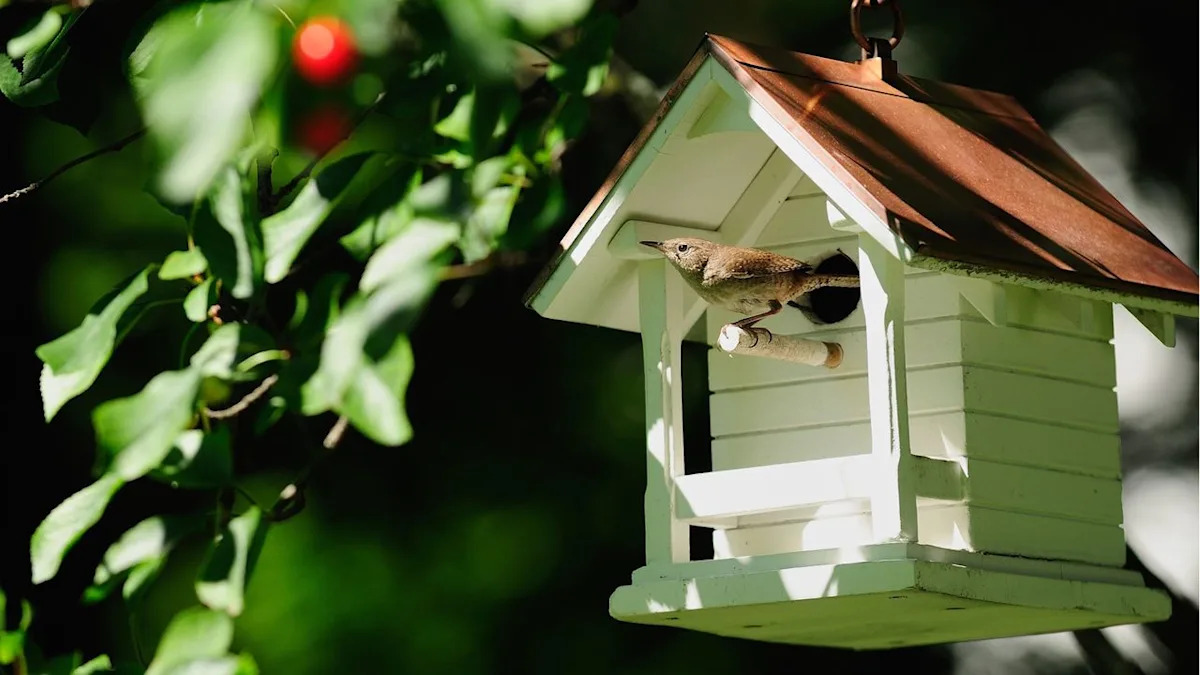
Decorative birdhouses might look irresistibly charming with promises to bring resident birds to your yard, but the truth is they can do more harm than good. If not properly constructed, placed incorrectly, or left unmaintained, they can make birds vulnerable to predators and diseases.
That’s not to say birdhouses should be ruled out entirely, but many on the market have several bird box mistakes in their design, especially if they’re built with aesthetics in mind and not functionality. Instead, experts say to consider birdhouse alternatives that provide safe nesting spots, keep predators away, and still look good in your yard.
From planting native trees to using reliable nest boxes (like this wooden nest box from Amazon), there are plenty of options to provide shelter for birds during nesting season. Here, the experts explain why to reconsider your birdhouse with three better alternatives.
When Are Birdhouses Hazardous?

Not all birdhouses on the market are safe for birds to use | Credit: Photo by Rafa Elias via Getty Images
Often, a commercial birdhouse is decorative object that has been designed with garden aesthetics in mind, rather than functional and safe use for birds.
Those with larger holes put cavity-nesting birds at risk of predators (like rodents, squirrels, and larger birds) who can easily enter.
Bob Mulvihill, ornithologist at The National Aviary, notes you even have to take into account the specific birds you want to attract when choosing a birdhouse:
‘Avoid perches for bluebird boxes. Perches give wrens and sparrows easier access, and not only do these small birds compete for bluebird boxes, they will attack a bluebird, her eggs, and her young,’ he explains.
Things like dark paint and a lack of ventilation found on birdhouses can cause them to overheat and become an unsafe environment for birds.
It’s also a problem if they’re solid and can’t be opened to clean.
‘Although some birds will build new nests on top of old ones, this can increase the presence of parasites and bacteria,’ explains Maria Kincaid, an ornithologist from FeatherSnap.
For this reason, experts say the following birdhouse alternatives can provide a safer nesting spot for the birds in your yard.
1. Use a Proper Nest Box

Many birds seek nest boxes during breeding season | Credit: Stef Bennett/Getty Images
If you’re keen to add a birdhouse to your yard, then a nest box is the top choice of birdhouse alternatives for you.
This can be confusing, as ‘birdhouse’ and ‘nest box’ are terms sometimes used interchangeably in product descriptions.
The clear distinction is that nest boxes are designed with bird functionality and safety in mind. They’re spaces where birds can safely nest and raise their young without the risk of predators entering, resembling natural tree cavities.
‘They have become vital for the conservation of several bird species known as secondary cavity nesters – birds that rely on pre-existing cavities for nesting because they cannot excavate them independently,’ says Maria Kincaid, an ornithologist from FeatherSnap.
This includes bluebirds, wrens, and chickadees.
‘The box should be made of relatively thick, untreated wood (like these fir wood nest boxes from Wayfair) with ventilation holes to help regulate the internal temperature. It also needs a sloped roof to keep out rain and an entrance hole sized specifically for the bird species you want to attract while excluding larger birds,’ she adds.
As an example, Bob notes a bluebird box typically has a hole 1 1/2″ wide – like these cedar bluebird nest boxes on Amazon. Our guide to the best birdhouses has more information on which types to choose for different birds.
Maria adds, ‘attaching a predator baffle (like this squirrel baffle from Amazon) to a pole often improves nesting success by adding protection from ground-based predators, and the box design should also protect against aerial predators.’
You can even attach a nest box metal guard (available on Amazon) to stop larger birds and rodents pecking and chewing the hole to make it bigger.
‘Make sure any box you build or buy has a convenient way for you to clean out any old nesting material after the nesting season is over,’ says Bob. ‘Boxes are commonly top, front, or side-opening,’ he adds.
2. Leave Natural Cavities

There are over 80 species of birds that use natural cavities in North America | Credit: Carlos Carreno / Moment / Getty Images
For a natural alternative to a birdhouse, Maria urges to leave any natural cavities in your yard.
‘Due to human alteration of the landscape, including building development and the removal of dead or dying trees that contain natural cavities or those created by primary cavity nesters like woodpeckers, competition for these limited nesting sites has increased,’ she says.
Cavities may also be created by branches falling off, but you can also find them in undesired locations like utility poles and house structures – our guide to stopping woodpeckers from pecking your house has more guidance on this.
But, if you do have the likes of woodpeckers in your yard that have created cavities in your tree, leave them in place as natural resource for nesting birds.
3. Plant Native Trees

Birds gather nesting materials from all over the yard | Credit: Getty Images/Nitat Termmee
‘Another excellent alternative to nest boxes is to ensure a plentiful supply of native trees for wildlife,’ says Maria. ‘These are great for birds that will use cavities but are not obligate secondary cavity nesters,’ she explains.
There are plenty of plants for birds and native plants to feed birds in winter to add to your yard. Come nesting season from early spring, they can provide vital shelter.
‘Providing adequate structure and nesting materials creates more safe spots for birds to build their nests,’ Maria explains.
Likewise, you should get the timing right to cut trees and hedges to protect nesting birds.
You can even enhance the number of nesting materials in your yard with things like this alpaca fiber for birds from Amazon. However, you should take care to avoid materials that could be harming your backyard birds.
What to Shop

Wooden Nest Box
This nest box is constructed of solid New Zealand pine. It has a 1-inch entrance and a removable roof for cleaning.

Green Bird Feeder
This pretty green mesh bird feeder is idea for seed mixes. It has multiple perches to accommodate for more birds.

Wild Bird Seed
This bird feed is a nutrient-rich blend to support attract a wide range of wild garden birds.
FAQs
How Do You Clean a Nest Box?
You should clean out a nest box between September and February, after the birds have left. Remove old nesting materials, scrape out debris, and use boiling water to kill any parasites. Don’t use chemicals and insecticides, as this may harm next season’s birds, and remember to wear gloves (like these from Walmart).
There’s a lot of other things you can also do to help birds during breeding season this spring.
Love inspiring garden ideas, outdoor advice, and the latest news? Sign up for our newsletter and get the latest features delivered straight to your inbox.