Many people love dogs but are not exactly fans of the smell that can come with them. Especially that classic “wet dog” odor. It is one of the biggest deal-breakers for people considering pet ownership. That smell comes from a combination of dander, natural skin oils, moisture, and bacteria sitting on the coat. And yes, it can be quite unpleasant in enclosed spaces.
Yes, undoubtedly every single living creature has a natural scent. But some dogs are genetically predisposed to be cleaner, less oily, and more ‘hair-like’ than their counterparts.
That difference often comes down to coat type, skin oil production, and how much dander a breed naturally releases. While no dog is completely odorless, certain breeds stay noticeably fresher between baths and bring far less of that signature canine musk.
Poodle (Toy, Miniature, and Standard)

The Poodle is one of the breeds commonly associated with low odor. Size does not matter; you can opt for the tiny Toy, the mid-sized Miniature, or the elegant Standard. The coat characteristics will remain the same. Most dogs have fur that grows to a certain point and sheds. However, Poodles have hair.
You see, their hair grows continuously and doesn’t shed into the environment. The primary sources of dog odor are dander and dog oils. For a poodle, these remain trapped within the curls, rather than spreading onto your furniture.
Furthermore, Poodles have naturally low-oil skin. Yes, they require professional grooming every 4 to 6 weeks to prevent matting. However, this routine maintenance ensures they stay remarkably fresh.
Basenji

The Basenji is often referred to as the ‘barkless dog.’ Well, the Basenji is also famously ‘cat-like’ in its hygiene. This breed originated from Africa as a hunting dog. The Basenji has evolved to be incredibly clean. Well, this likely happened so that they could avoid alerting prey to their presence.
Basenjis are one of the cleanest dog breeds; they are known to groom themselves much like a feline. They lick their coats and paws clean throughout the day.
They have a very short, fine coat. Also, a skin that produces almost no natural ‘doggy’ oils.
Maltese

The Maltese is a classic lap dog with a coat that feels more like fine silk or human hair. This ancient Mediterranean breed was bred for luxury and companionship. Well, their hygiene reflects that heritage.
The Maltese lacks an undercoat. This is the layer usually responsible for trapping the moisture and bacteria that cause smells. Their single-layer hair coat produces very little oil. As long as their tear stains are kept clean, you aren’t getting any musky odor.
A cared-for Maltese will typically smell like nothing more than the shampoo you used during their last bath.
Bichon Frise

The Bichon Frise looks like a cloud or cotton candy. And they often smell just as clean as they look. They are a popular choice for allergy sufferers and those with sensitive noses.
Like the Poodle, the Bichon has a curly coat. And all of that is technically hair. It grows in spirals that catch any loose hair or dander. This prevents it from falling onto the floor or souring.
Their skin is naturally less oily than that of a Retriever or a Hound. They require frequent professional grooming. Regular grooming and bathing help maintain low odor levels.
Whippet

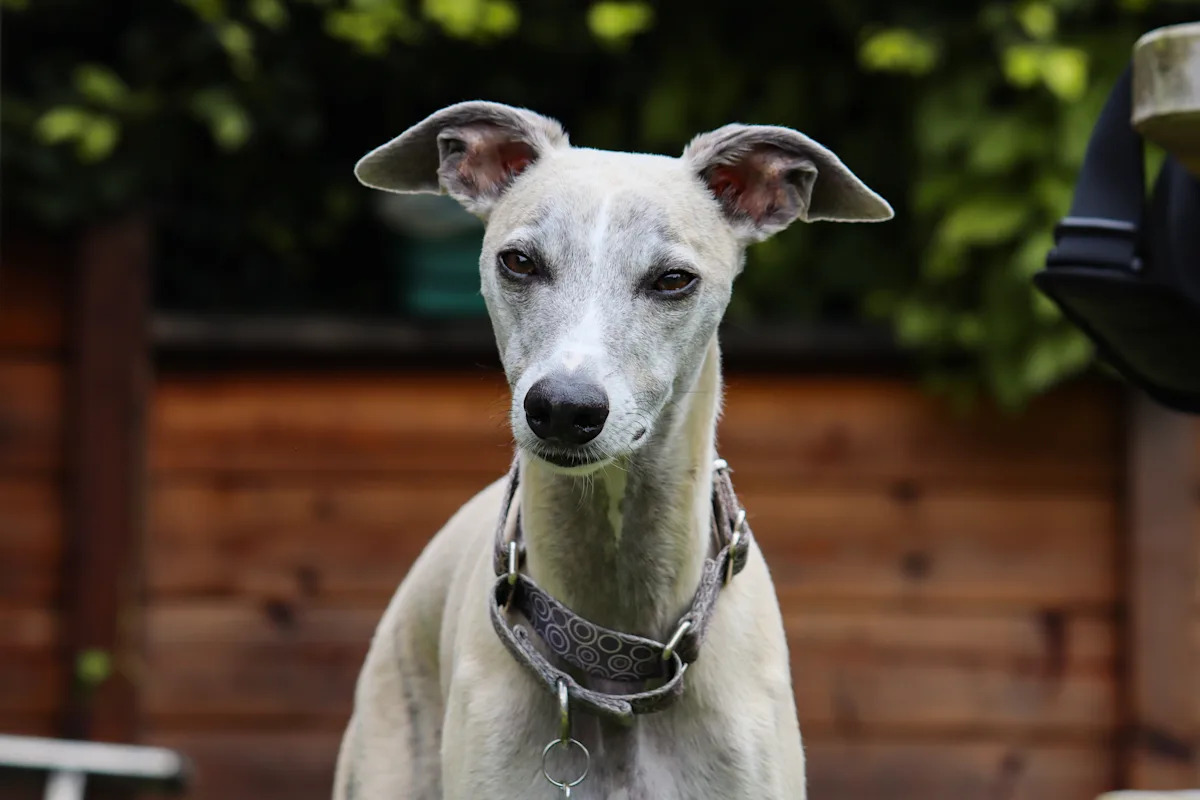
Some owners prefer short-haired dogs but want to avoid the ‘oily’ feel of a Labrador or Beagle. If so, then the Whippet is an ideal choice. These ‘miniature Greyhounds’ are sleek, athletic, and incredibly tidy housemates.
Whippets have a thin, single coat and very little body fat. This combination means they produce very little sebum (skin oil). They are naturally clean dogs that don’t enjoy getting dirty and lack the heavy musk found in breeds with thick, water-repellent coats.
A quick wipe with a damp cloth is often all they need to stay fresh.
Dalmatian

The Dalmatian is a unique entry on this list. Unlike many others here, “they shed regularly.” But even with shedding, they are remarkably free of the typical canine scent.
Dalmatians have a ‘hard’ coat that is naturally dirt-repellent. Dirt and mud tend to fall off their sleek fur once dry. And their skin doesn’t produce the heavy oils. As long as they are given an occasional bath and regular brushing to manage the shedding, they remain one of the most odor-neutral large breeds available.
They are also naturally fastidious dogs that tend to dislike staying dirty for long, often shaking off debris and avoiding mess when possible. Their short coat allows for excellent airflow to the skin, which reduces moisture buildup and mustiness.
Portuguese Water Dog

The ‘Portie’ is a robust, athletic dog with a coat built for the elements but designed for the home. You may be wondering, “Why is a water dog on this list? The answer is that they don’t carry the ‘wet dog’ smell as intensely as other water breeds.
They have a single-layered, hair-like coat. It can be either wavy or curly. Because they don’t shed and have low dander levels, the typical triggers for dog odors are absent. They also dry faster than many double-coated breeds, which helps prevent that lingering damp smell after baths, swims, or rainy walks.
That said, regular brushing is still essential—because even low-odor coats can start smelling unpleasant when neglected.
Havanese

The Havanese is the national dog of Cuba. It is a small, cuddly dog with a big personality and a soft heart. It is known for its soft, long coat. Despite the volume of their hair, they are surprisingly low-maintenance in the scent department.
Their coat is lightweight and silky. It acts as a barrier that doesn’t trap heat or moisture against the skin. These are the factors that usually lead to bacterial growth and smell. They have very low oil production.
They require regular brushing to prevent tangles. However, their natural lack of ‘doggy’ odor makes them a favorite for people who keep their pets on the furniture.
Schnauzer (Miniature, Standard, and Giant)

The Schnauzer comes in three sizes (as mentioned above). It shares a distinctive wiry coat that is a hallmark of the breed’s cleanliness. Size certainly does not matter here.
Schnauzers have a double coat consisting of a wiry topcoat and a soft undercoat. However, they are considered a low-shedding breed. The wiry texture is excellent at shedding dirt and doesn’t hold onto skin oils the way a soft, plush coat might.
When kept properly groomed, the Schnauzer remains one of the most odor-free breeds in the working and terrier groups.
Conclusion
These are the dogs least likely to make your home smell overtly “doggy.” If you are sensitive to canine odor, these breeds are among the best choices available. Of course, regular bathing, brushing, and proper skin care still matter, but their natural coat and skin traits help keep odor levels noticeably lower.
That said, no breed is completely maintenance-free. Poor grooming, skin infections, dirty ears, or neglected dental care can make even a low-odor dog smell unpleasant. Breed helps, yes, but responsible upkeep is what keeps them truly fresh.