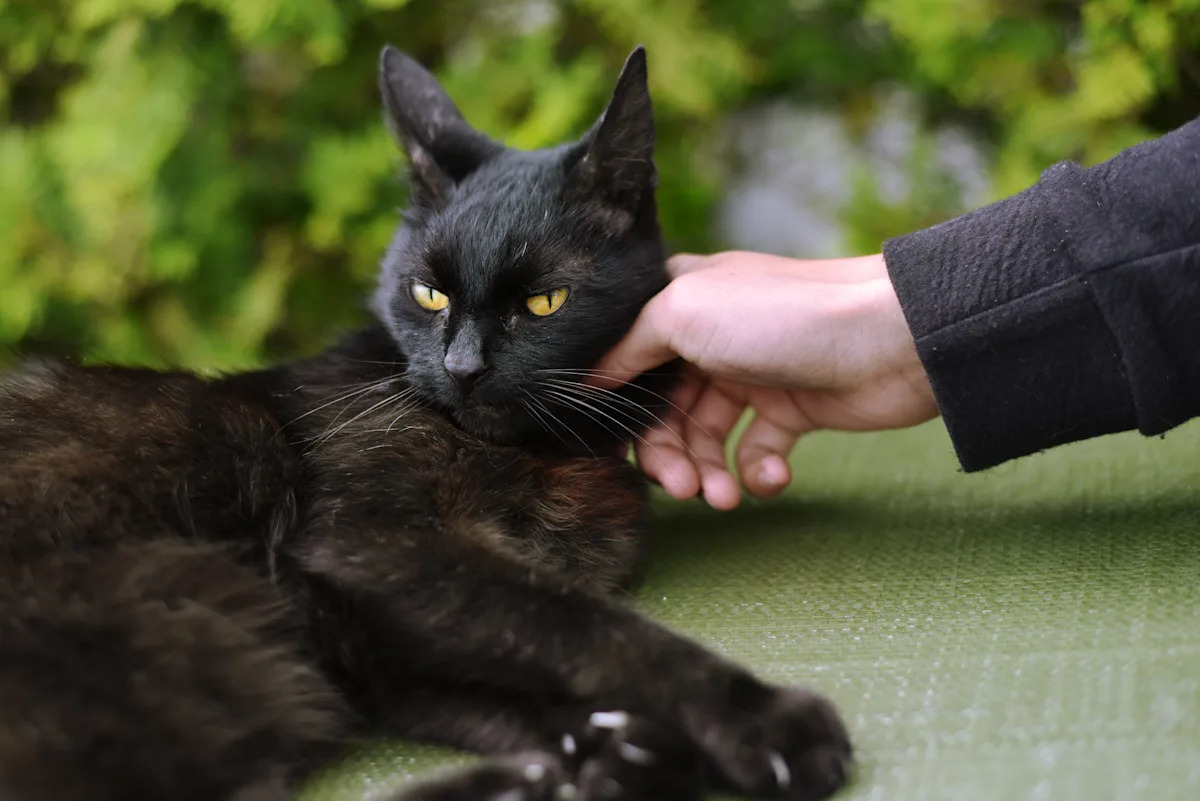
You know, cats are often accused of being self-centered and unloving. Well, that’s not always fair, right? Often, your home is their entire world. We agree that they are masters of adaptation. However, many common human behaviors (often intended as affection) can be deeply stressful or confusing for them.
The truth is, many feline “behavior problems” are not attitude issues at all. They are often stress responses to humans misunderstanding what cats actually need, tolerate, and communicate. What seems harmless to you may be quietly frustrating them every single day.
Here are things your cat wishes you’d stop doing.
Stop Forcing ‘Love’ and Cuddles
Humans are primates, and we express affection through hugging and squeezing. Cats, though mammals, are independent hunters, even though they can form strong social bonds. They value autonomy a lot. When you scoop a cat up against its will, you trigger its ‘flight’ instinct. It screams predator alert and may trigger a defensive response.

So, what do you do here? It’s simple. Let your cat come to you. If they rub against your legs or jump into your lap, they actually want to touch. Always leave them an ‘escape route’ so they feel in control of the interaction.
Stop the Long, Unblinking Stares
Most animals interpret a direct, unblinking stare as a threat. If you stare intensely at your cat, they likely interpret it as aggression. That’s not good. You might also notice them looking away or licking their lips nervously.

Use the ‘slow blink’ here. Narrow your eyes and close them slowly for a few seconds before looking away. This is the feline equivalent of a kiss. It signals that you are relaxed and pose no threat.
Stop Treating the Litter Box Like an Afterthought
A cat’s sense of smell is significantly stronger than a human’s. If a litter box smells slightly ‘off’ to you, it smells like an environmental disaster to them. Additionally, cats are fastidious cleaners. You can try to force them to step into a dirty box if you want, sure. But it’s like asking a human to use a portable toilet that hasn’t been serviced in a week.

Scoop at least twice a day and do a full scrub-down of the litterbox monthly. Avoid scented litter. They definitely might smell like ‘meadow breeze’ to you. But the heavy chemicals can be overwhelming and irritating to a cat’s nose.
Stop Making Sudden, Explosive Noises
Cats have highly sensitive hearing. These are designed to hear the high-pitched rustle of a mouse in the grass. Loud television volume, shouting, slamming doors, or vacuum cleaners can be distressing to them. Constant loud noise keeps a cat in a state of ‘high alert,’ which leads to chronic stress.

Keep your home’s baseline volume low. If you’re having a party or vacuuming, create a buffer zone. Just provide your cat with a quiet, ‘safe room’ where they can retreat.
Stop the ‘Belly Trap’ Petting
Just because a cat is showing you its belly does not mean the cat wants its belly touched. Yes, a dog loves a belly scratch. But for a cat, its belly is its most vulnerable area. It houses all their vital organs. When they show it to you, it’s a sign of trust. Not necessarily an invitation.

Stick to the ‘scent glands.’ Most cats prefer being petted around the base of the ears, under the chin, and along the cheeks. If they roll over, acknowledge the trust with a soft word.
Stop Using Punishment to ‘Teach’
Cats do not associate punishment with past actions in the same way as humans. If you spray a cat with water for jumping on the counter, they don’t connect the action to the punishment. Instead, they simply learn that you are scary and unpredictable.

Instead, you can use ‘environmental deterrents’ and positive reinforcement. You can put double-sided tape on the counter (which they dislike the feel of). Also, give them a treat when they use their scratching post. This teaches them what to do rather than just fearing you.
Stop Neglecting Their ‘Vertical World’
Cats are arboreal by nature. This means that they feel safest when they are high up. A cat forced to live entirely on the floor feels exposed and anxious. If they don’t have a high vantage point, they can’t survey their ‘territory’ for ‘threats’ (like the vacuum or the dog).

Invest in cat trees, window perches, or ‘cat shelves.’ Give your cat a way to get above eye level. It instantly boosts their confidence and reduces territorial anxiety.
Stop Changing Their Environment Constantly
Cats are creatures of habit. They ‘map’ their home using scent glands on their cheeks. When you move the sofa, bring in a new rug, or use heavy floor cleaners, you effectively erase their ‘scent map.’ This makes them feel like they are in a strange, new place every time you redecorate.

If you must move furniture or renovate, do it one room at a time. Leave some of their old items (like a familiar blanket) in the room. This way, their scent remains. It will help them reorient themselves.
Stop Ignoring ‘Invisible’ Boredom
Indoor cats live safe lives. They may develop behavioral issues due to a lack of stimulation. A cat staring out a window is not necessarily relaxed; they might be longing for the engagement of a hunt. Boredom often manifests as over-grooming, over-eating, or ‘zoomies’ that turn aggressive.

Provide them with high-quality scratching posts (sisal or cardboard). Also, learn to trim just the tips of their claws with specialized trimmers. Don’t forget to respect their natural grooming process. Most cats are perfectly capable of keeping themselves clean.
Stop Expecting Indoor Cats to Entertain Themselves
Yes, we get the fact that you want your kitty to be safe. And you aren’t completely wrong here. Cats are indeed at risk if they go out too often. Any owner would be reluctant to let them face those dangers.

But that doesn’t mean that you should keep them holed up all day in your absence. Consider arranging care with a neighbor or pet sitter. Or maybe just find a pet care facility where they can be managed in an efficient manner.
Conclusion
Your cats are not simply extensions of yourself. No, they are a separate species with their own needs. If you keep ignoring those needs and doing whatever you wish, then your cat may develop stress-related behaviors.
Following these practices can improve a cat’s well-being. You do want your cat to be happy, after all. A happy cat means less scratching on the cushions. And less ‘cattiness.’