The post These Zoo-Funded Projects Are Quietly Saving Some of the World’s Most Vulnerable Animals appeared first on A-Z Animals.
Since 2008, Zoo Atlanta has been able to award grants to conservation-focused organizations around the world thanks to the Mabel Dorn Reeder Conservation Endowment Fund. This year, seven different organizations received two-year grants.
Here’s everything you need to know about this year’s winners and the animals that will be supported.
Which Organizations Received Grants This Year?
To be considered for a grant, each organization had to put together a comprehensive grant proposal that included a detailed budget of how any money received would be spent. The organization then worked with a Zoo employee to submit their application for consideration.
According to Dr. Gina Ferrie, Vice President of Collections and Conservation at Zoo Atlanta, “The goal of each year’s grant awards is to foster diversity in the conservation efforts we support. We typically focus on species found at the Zoo, so that we can share the story of the species and the conservation support with Zoo visitors.”
The number of grants awarded each year varies; in 2026, seven organizations were awarded two-year grants through the Mabel Dorn Reeder Conservation Endowment Fund.
Borneo Orangutan Survival Foundation USA – Borneo
The money received by the Borneo Orangutan Survival (BOS) Foundation will be used to construct island habitats for rescued orangutans in the country. The habitats will closely resemble the apes’ natural environments, helping them to display natural behaviors. Some of the orangutans will eventually be released, while others will remain in the sanctuary for the rest of their lives.
Lynn Yakubinis, Lead Keeper of Primates, proposed this project.

Ewaso Lions – Kenya
Ewaso Lions’ Kids Camp (LKC) gives the next generation of conservationists in Kenya the opportunity to learn more about what it means to save and protect wildlife. With grant support, LKC can run three camps that blend wildlife education, safaris, and conservation-themed activities for attendees. The children selected to attend have had no previous exposure to conservation.
Taylor Robinson, Mammal Keeper, championed this project.
International Rhino Foundation – Namibia
This grant helps support endangered rhinos in Namibia. The International Rhino Foundation and Save the Rhino Trust work together to keep rhinos safe, train community rangers, teach children about animal conservation, and create job opportunities for local families. Local rangers and communities will team up with the organizations to make this happen.
Gina Ferrie, PhD, Vice President of Collections and Conservation, advocated for this project.
A special conservation committee that includes zoo executives, veterinarians, researchers, and conservation scientists, reviews all submissions and ultimately selects that year’s grant recipients.
Dr. Gina Ferrie, Vice President of Collections and Conservation at Zoo Atlanta
Red Panda Network – Nepal
This is the second year that Zoo Atlanta is providing support to help local organizations in Nepal produce the food native red pandas need to survive. The grant will fund the construction of greenhouses and shade houses, and allow 22,680 native seedlings to eventually be transplanted into forest habitats for the pandas. In addition, new jobs as Restoration Stewards will be created, providing sustainable income for local communities.
Kenn Harwood, Curator of Mammals, championed this project.

Tiger Conservation Campaign – Sumatra
One of the biggest threats to critically endangered Sumatran tigers is human-tiger conflict. Farmers often kill tigers when the tigers hunt livestock. Tigers are also victims of snares set for wild pigs in agricultural fields. The Tiger Conservation Campaign works with local villages to help residents better understand the tigers’ vulnerability and find alternative, non-lethal ways to manage the human-tiger relationship.
Mel Shiels, Mammal Keeper, advocated for this project.
Turtle Survival Alliance – Madagascar
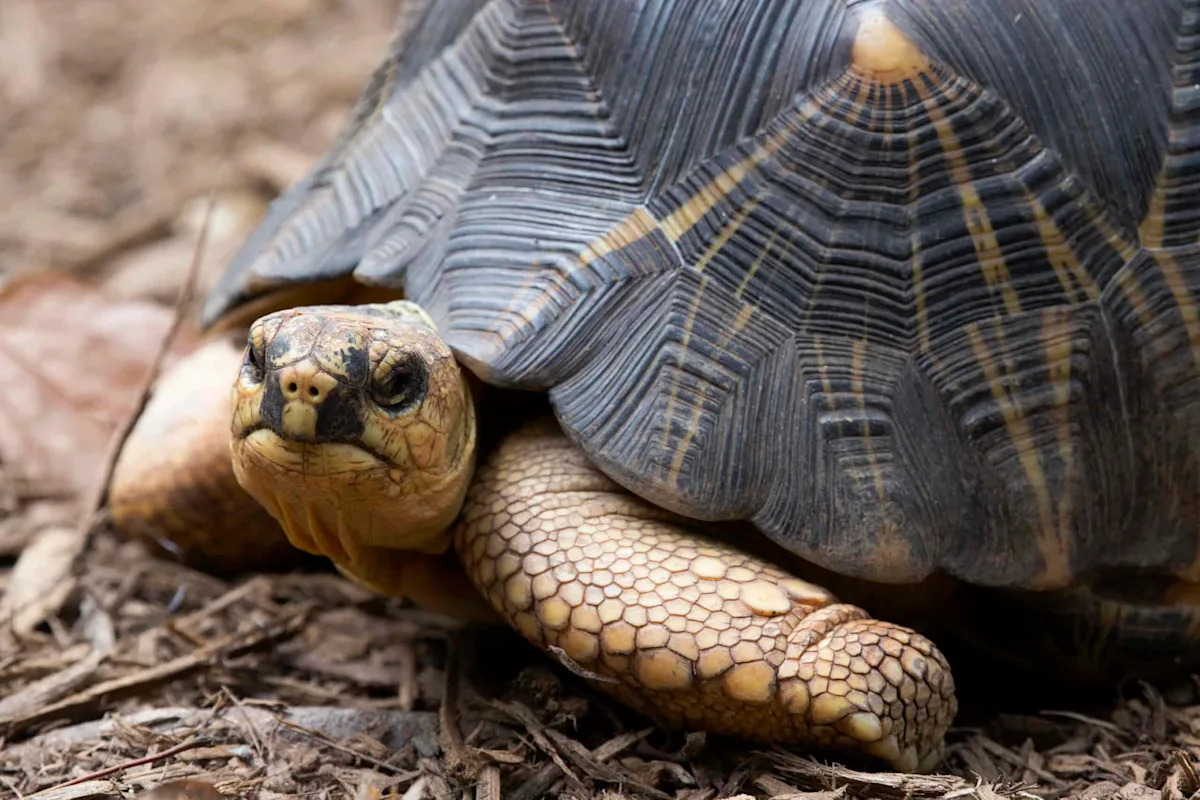
Radiated tortoises are critically endangered in Madagascar. This grant will support collaboration between international veterinarians and a Malagasy team to conduct health assessments, train veterinary students, and provide supplies to ensure populations of the species are healthy when reintroduced to the wild. The grant will also help increase conservation medicine capacity within the country.
Kate Leach, DVM, Senior Veterinarian, championed this project.
Wildlife Alliance – Cambodia
Clouded leopards face a high mortality rate due to poachers’ snares in Cambodia. Wildlife Alliance will use grant funds to implement a highly effective anti-poaching program that includes local law enforcement patrols and snare removal in the center of the Cardamom Rainforest, an area crucial for the survival of clouded leopards and other endangered mammals.
Michelle Elliott, Mammal Keeper, advocated for this project.
How the Grants Are Selected
Every year, all Zoo staff members have the chance to nominate organizations to be considered for an award supported by the endowment fund. Typically, between 10 and 20 nominations are received.
Ferrie explains, “A special conservation committee that includes zoo executives, veterinarians, researchers, and conservation scientists, reviews all submissions and ultimately selects that year’s grant recipients. Each reviewer starts with a standardized rubric to objectively grade each proposal based on a number of factors.”
She says the results are tallied, and then a group meeting is held where each reviewer can advocate for projects.

Three years ago, the grants were extended from one year to two years in length. Ferrie says, “The longer grant award period allows us to support longer-term projects and build stronger relationships with the organizations benefitting from the grants.”
The amount of each grant varies, with a cap of $20,000 per two-year grant. The money is distributed over the lifetime of each grant.
How Do Endowment Funds Work?
These grants are made possible by an endowment fund set up by Mabel Dorn Reeder, a longtime Zoo donor with a special affinity for gorillas. Upon her passing in 2007, her foundation implemented the endowment fund to ensure that the Zoo’s contributions to field conservation would continue indefinitely.
Endowment funds like this one work when a donor, such as Ms. Reeder, allocates a sum of money to an organization to be received upon the donor’s death. Once the money is received, the organization invests it, where it earns interest. Grants are then awarded, using the interest earned to fund the grants. The original donation remains untouched and continues to earn interest to support future grants indefinitely.
The post These Zoo-Funded Projects Are Quietly Saving Some of the World’s Most Vulnerable Animals appeared first on A-Z Animals.