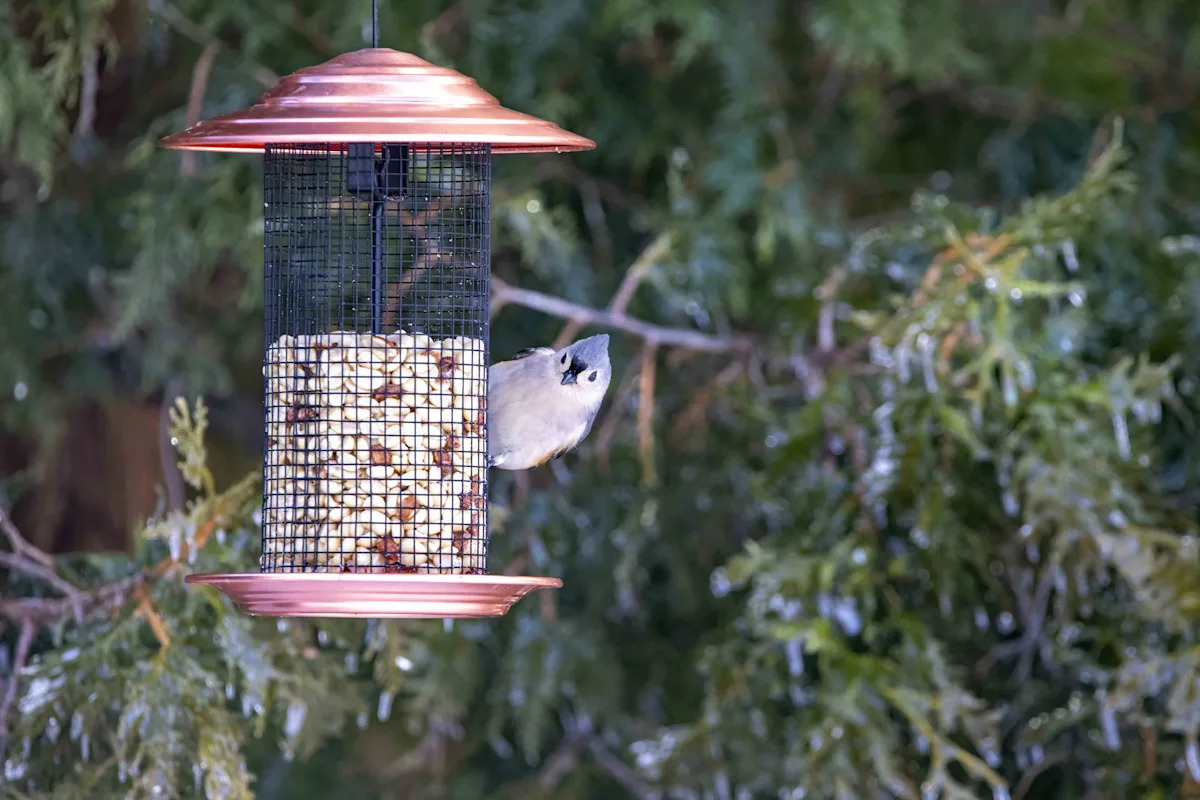
When it comes to attracting birds to your backyard, a large part of the process is choosing what to feed the birds.
American Bird Conservancy’s Kaitlyn Parkins tells Southern Living that your backyard can be a buffet for birds, but you need to be a good caterer.
“It’s best to provide birdseed sold specifically for wild birds and to plant and grow native plants that provide beneficial food sources as seeds, fruits, and berries as well as attract insects birds eat and feed to their young,” she says.
Another important aspect of feeding birds is knowing what not to feed them. Unsure where to start? Parkins offers 14 things you should never put in a bird feeder.

Things You Should Never Put In A Bird Feeder
Old Birdseed
The American Bird Conservancy recommends not offering old, spoiled, or wet seed mixes, as it will go rancid and grow mold that can produce fatal toxins.
“People shouldn’t assume that birds can handle eating seed where the bag was improperly stored or left unsealed for a very long time,” Parkins says, adding that fresh birdseed is best.
Domestic Pet Food
Domestic pet food is not part of a wild bird’s natural diet, so it’s not nutritious for birds as they have different nutrient needs than cats and dogs.
“Also, although domestic cats make wonderful pets, numbering well over 100 million in the United States, outdoor cats kill approximately 2.4 billion birds every year in the U.S. alone, making cat predation by far the largest source of direct, human-caused mortality to birds,” Parkins says. “Keeping them inside and closely managing their outdoor experiences helps reduce their contact with wildlife and minimizes risks to cats and birds alike.”
Bread or Pastries
Bread–or any bakery item intended for human consumption–is not safe for birds to feed them bread.
“We can’t emphasize enough how important it is to not put out or feed birds bread or other processed ‘people foods’ like donuts and other pastries and bakery items,” Parkins says. “It’s not only unhealthy for birds but can attract rodents, which can transmit pathogens through secretions, urine, and feces.”
Popcorn and Rice
“Popcorn and rice that is salt and preservative-free are rumored to be bad,” Parkins explains. “Neither is actually bad for birds, but we don’t recommend putting them in feeders because they do not provide proper nutrition.”
Honey
Raw honey can cause botulism in birds, a hazardous toxin produced by the Clostridium botulinum bacteria. This can lead to extreme sickness, weakness, and even paralysis.
“Honey is also high in sugar, making it unhealthy for birds,” Parkins explains. “Its acidity can also cause problems within a bird’s digestive system. Honey can grow mold and molds of all types are toxic to birds. It can also get messy, sticking to their beaks and feathers, making it difficult to fly.”
Chocolate
Chocolate is known to be very toxic for birds and can cause convulsions, heart arrhythmia, vomiting, and even death.
“Birds lack the enzymes required to digest theobromine, which is found in cocoa beans–the main ingredient in chocolate,” Parkins says.
Coffee Beans or Grounds
The caffeine found in coffee beans and grounds can cause cardiac distress and hyperactivity. In some cases, it can send birds into cardiac arrest.
Leftover Seeds or Nuts From Salad Packs
Seeds and nuts used in salads may not only be coated with salad dressing, oils, and other ingredients, but also often themselves have a large amount of salt added along with other additives and flavors, all harmful for wild birds.
“Salt can cause excessive thirst, dehydration, kidney failure, even death,” Parkins says.
Dry Beans
Parkins says it’s a bad idea to offer dried beans, because some types of uncooked beans contain a substance known as phytohemagglutinin that is toxic to birds.
“Cooking beans removes the substance,” she says.
Dairy Products
Birds don’t have the enzyme necessary to break down lactose that is in milk and other dairy products.
Avocados
Avocados contain persin, which is toxic to several bird species.
“The most common signs of persin toxicity in birds are collapse, lethargy, heavy breathing, and sudden death,” Parkins says.
Red Dye
Red dye–or any sugar other than white for hummingbird feeders–should be avoided.
“Hummingbirds and other nectar eaters do not need red dye added to the nectar you make for them,” Parkins says. “That sugar-water recipe is four parts water to one part white granulated sugar. Do not use any other type of sugar.”
Potato Chips
Potato chips are not healthy for birds.
“When it comes to salt, additives, preservatives and often oil overload, it’s not nutritious,” Parkins says.
Raw Meat
Parkins admits that raw meat is tricky, but should probably be avoided.
“It would seem like a good idea to leave raw meat for birds that eat meat in the wild such as hawks, eagles, owls, gulls, and crows,” she says. “The issue with raw meat is that it could go rancid and spoil quickly, as well as attract unwanted pests.”
Jelly High In Sugar
Like raw meat, jelly can be tricky according to Parkins.
“In the spring, many people put grape jelly out for orioles, and that’s fine, but they shouldn’t offer jelly with high fructose corn syrup or other highly processed jelly. The more natural the better,” she says. “And, maybe even more important, is to use a very shallow dish or cup for the jelly–and/or put out small amounts at a time–because if it’s too deep, jelly can get on feathers, making it difficult to fly.”
Read the original article on Southern Living