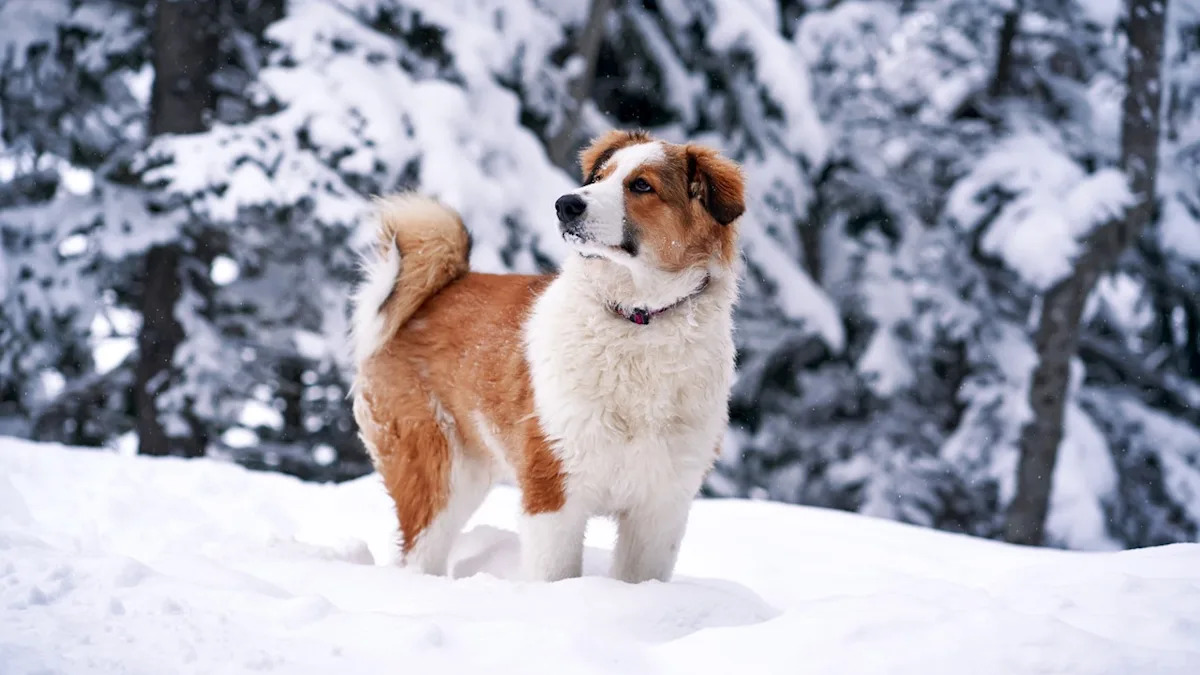
There’s plenty to love about winter, including cozy nights, festive lights and plenty of snowy Zoomies, but for many dogs, the colder months can also trigger a noticeable dip in mood. In fact, just like humans, pets are sensitive to seasonal changes that can affect their energy levels, behavior and overall happiness. So, what causes winter depression in dogs? These winter blues are often caused by shorter days, reduced outdoor activity and disruptions to routine that can leave your pup feeling sadder than usual. That’s why we enlisted a vet to find out 6 signs your dog has the winter blues and how to help them.
That way, if you sense something is off with your dog, instead of wondering “Why is my dog sad in the winter?” you can pinpoint if the winter blues may be the cause. After all, while it’s easy to blame a sleepy dog or extra-clingy behavior on chilly weather and cabin fever, these subtle shifts are often your furry friend’s way of signaling that something isn’t right. However, even though some symptoms are obvious, others are easy to miss unless you know what to look for, which is why many pet parents don’t always pick up on their dog’s body language and know what they are trying to communicate.
The good news? Once you recognize the signs of dog seasonal depression, there are numerous simple, vet-recommended strategies to lift your furry companion’s spirits and help them enjoy a happier, more enriching winter season. Read on to see what they are and find out more about winter blues with dogs.
Related: 7 Cute & Surprising Ways Dogs Show Love on Walks, Say Vets
Do Dogs Get the Winter Blues?
In short, yes, dogs can get the winter blues. In fact, winter blues affect everyone in different ways, including our beloved pets. “The seasonal depression dogs sometimes feel is not only related to colder temperatures, but also light changes,” explains Dr. Jordyn Zoul, a Georgia-based veterinarian and vet advisor to Spot & Tango.
Animals are very sensitive to changes in daylight patterns and the shorter daylight hours of winter can actually trigger hormonal changes that not only disrupt their mood and sleep, but cause hair growth, reduced or increased appetite, and energy changes, Zoul shares. Plus, them spending less time outdoors can lead to boredom and lethargy, causing a dog to feel sad. Some dogs can even mirror their owner’s sedentary mood, which can contribute to their own symptoms.
Signs Your Dog is Feeling Sad and How to Help

A dog with winter blues.Getty Images Vera Vita
“While our furry friends tend to be pretty stoic, they often exhibit more subtle clues that they, too, are feeling some wintertime sadness,” Zoul says. Here are some signs they may be feeling a little blue that you can look out for.
Decreased Energy or Lethargy
How can you tell if your dog has winter depression? One of the most common signs of the winter blues in dogs is their drop in energy. Your dog may seem lethargic, less excited about going on walks, uninterested in play, or even reluctant to hop on the couch for their usual snuggle session.
So, what can you do to help your dog if you notice them acting this way? “Try bringing playtime and activities indoors to avoid undesirable colder temperatures,” Zoul advises. “This is a great time to introduce new toys or games.”
Providing indoor enrichment, like puzzle toys, short training sessions, or tug-of-war, can help boost your dog’s mood and keep them mentally stimulated when outdoor time is limited.
Appetite Changes
Another sign of the winter blues in dogs is a shift in their appetite. Because hormones play a major role in regulating appetite and metabolism in both humans and pets, it’s not unusual for dogs experiencing seasonal depression to show decreased interest in food. When a dog’s mood drops, levels of serotonin—the neurotransmitter that helps regulate hunger and satisfaction—can decline, leading to less enthusiasm during mealtime.
One way to help? Try a warming up your dog’s food, or offering more structured feeding routines to help support healthy eating habits during winter. “You can also consider adding a healthy topper to your pet’s food or trying a new veterinary-approved dog food,” Zoul says.
Related: These 8 Words Make Your Dog Feel Happy, Says a Trainer
Weight Gain
Even with a decreased appetite, many animals see a metabolism slow down in the winter that can often lead to weight gain. This is also influenced by shorter days and colder weather that leads to less outdoor exercise, meaning dogs are prone to burning fewer calories.
Some dogs may even eat more out of boredom, stress, or by mirroring their owner’s low mood, which can further contribute to extra pounds. “Don’t be tempted to over-feed your animal,” Zoul says. “A typical domestic dog’s caloric requirement should not change even though it’s colder outside.”
To help manage winter weight, maintain consistent portion sizes, add indoor exercise sessions and monitor treats—since even a few extra can add up quickly.
Behavioral Changes
Between snowstorms and freezing rain, winter weather patterns often disrupt the daily routines your dog depends on. These sudden changes often contribute to behavioral shifts in dogs during winter, especially when they’re already experiencing the winter blues.
“Some dogs may become more anxious or even aggressive,” Zoul explains. “Make sure you’re still providing plenty of enrichment for your dog. You can also consult a veterinarian about calming supplements or further medical management for severe behavioral changes.”
Restlessness
Pups often get restless in winter due to less sunlight, disrupted routines and even environmental changes like extreme cold, ice and salt on sidewalks, which can cause anxiety and discomfort during walks.
If you notice this behavior, how can you help your dog? The best way to help your dog get through winter restlessness is to maintain a routine, increase their indoor activity, provide winter gear to ensure their paws are safe in the snow and to wipe your dog’s paws once you get inside.
Isolating
During the colder months, some dogs seem to slip into a mini hibernation mode, preferring extra alone time and withdrawing from their usual social habits. This isolating behavior is something you can look out for as it can be a common sign of the winter blues in dogs.
“Don’t force cuddles or pets, but make sure to give them in excess when your pet asks for them,” Zoul recommends. “Give vocal reassurances and be present, if not exactly touching your dog at all times.”
While many signs and symptoms of winter blues in dogs can be managed with a little TLC, Zoul recommends reaching out to your local veterinarian if any signs become concerning or progressive, which may point to health issues worth investigating. “With the right tools and help in place, you can help your dog and yourself get through to warmer days ahead,” she says.
Source:
-
Dr. Jordyn Zoul, a Georgia-based veterinarian and vet advisor to Spot & Tango
This story was originally published by Parade Pets on Dec 13, 2025, where it first appeared in the Pet News section. Add Parade Pets as a Preferred Source by clicking here.