The post Vikings Bred This Dog to Survive. Why Did It Take 1,200 Years for the AKC to Notice? appeared first on A-Z Animals.
Quick Take
-
In 2025, the 1,200-year-old Danish-Swedish Farmdog earns AKC recognition, propelling it from heritage into the international show circuit.
-
Recognition unlocks access to over 20,000 agility, obedience, and tracking competitions and health and wellness packages for registered dogs.
-
Despite weighing only 15 to 20 pounds, the Danish-Swedish Farmdog proves a high-energy family companion and versatile working partner.
-
Read on to discover the miscellaneous gate and the multi-phase route that can delay full recognition for years.
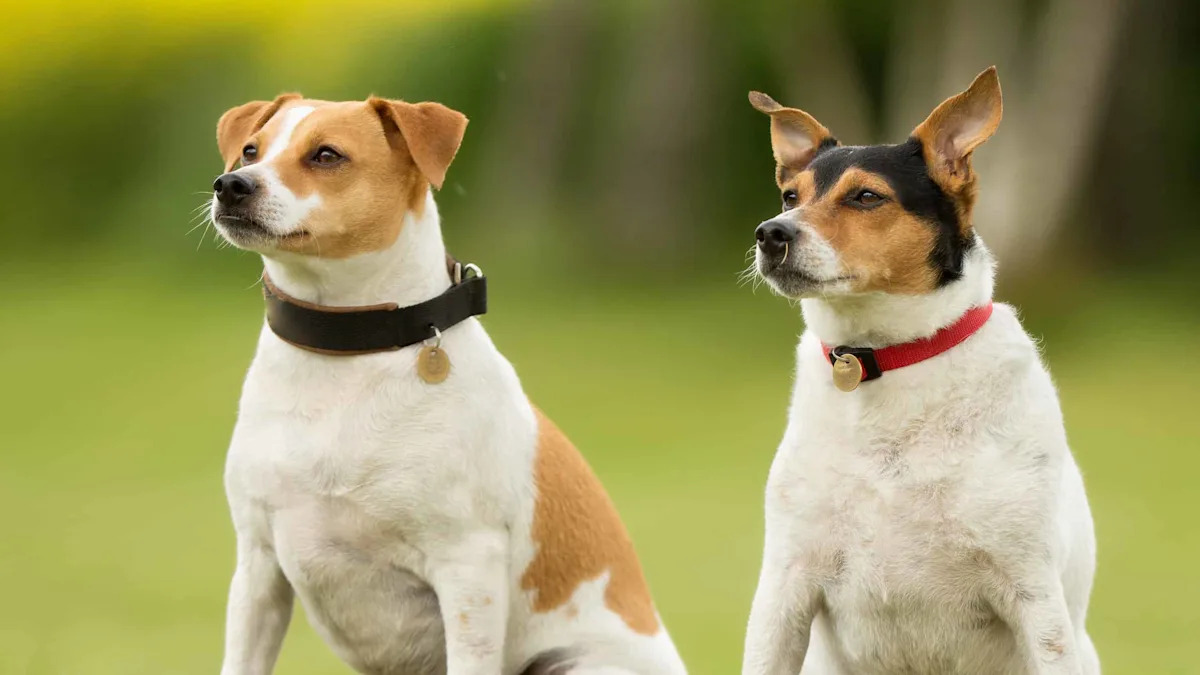
The year 2025 was significant for the American Kennel Club, with the recognition of a 1,200-year-old dog breed. The Danish-Swedish Farmdog is a historic working dog breed with roots in Scandinavia. It joined the ranks of many other impressive breeds this year, including the Lancashire Heeler, which was recognized in January 2024.
Recognition by an organization like the AKC opens many doors for the breed. Not only will the Danish-Swedish Farmdog become internationally known, but it will also be a newcomer to competitions and shows. Their skills and temperament towards people are already revered by those who own these dogs, and their recognition is a testament to both.
How Does the American Kennel Club Recognize Dog Breeds?
Being formally recognized by the AKC is an honor for any dog breed. As of 2025, 202 dogs have made the cut. Of those, the first nine charter breeds–the pointer, several Spaniel breeds, and Setters–paved the way for countless generations of dogs. These were recognized before the AKC was officially formed, making them the founding breeds. In the last century, the AKC’s recognition has granted dogs legendary status among owners and competition participants. While there’s no set number of recognized dog breeds per year, breeds must fit a unique criterion to be considered and approved. That criterion includes:
-
Lineage, which is often traced back to a dog’s grandparents
-
Confirmation that the dog is a purebred
-
All 150 dogs need to have a traceable lineage
-
A National Breed Club with at least 100 members
-
300-400 dogs with a three-generation pedigree
-
Formal AKC approval of standards
The process occurs in multiple phases, with the guidelines becoming increasingly strict as it progresses. This helps rule out ineligible dog breeds, such as non-purebreds, or a lack of family history. It can take as long as a decade, as it has with the Peruvian Incha Orchid, or as little as six months. Until a breed is formally recognized, it remains in the “Miscellaneous” category at the AKC. This is why the recognition of a new dog is so significant, especially for the Danish-Swedish Farmdog.
What Are the Benefits of AKC Recognition for a Dog?
For owners of AKC-recognized breeds, there are seemingly endless benefits. Their dogs can compete in any of the more than 20,000 agility, obedience, and tracking competitions. They can apply for a breed-specific registration certificate to prove their dog is an AKC-recognized breed. And lastly, owners of registered dogs have access to health and wellness packages, which include microchips, pet insurance, and pedigrees.

Danish-Swedish Farmdogs are full of energy and need walks and daily exercise.
©Jne Valokuvaus/Shutterstock.com
Some programs, like the Breeder Merit Program, also offer health testing for verified dogs. More benefits are available to breeders who specialize in maintaining the purebred line of recognized AKC breeds. Additional health testing, free litter listings, access to the AKC Marketplace, and continuing education courses are included.
The Unique Origins of the Danish-Swedish Farmdog
Some may know the Danish-Swedish Farmdog by its other name, the Danish Pincher. Working dogs such as this one date back to the days of the Vikings, as fossilized remains have proven. Centuries ago, they were used for herding, cattle roundups, hunting, guard dogs, and rat catchers. With an incredible sense of smell and keen instincts, these small dogs always rose to the task before them.
Today, the breed remains part of the working class of dogs, eager to please their owners. While its instincts haven’t changed, its role in society has. Rather than being bred for its hardworking abilities, it’s bred as a family dog. Some Danish-Swedish Farmdogs still hold their own on farms and in rural areas, but their most significant role now is joining the family that adopts them.
Danish-Swedish Farmdog Traits
The AKC recognizes seven specific groups of dog breeds. The Danish-Swedish Farmdog belongs to the Working Group, which, as its name implies, consists of working dogs. These breeds are praised for their innate ability to learn quickly and perform complex tasks. Many of these become sled dogs, rescue dogs, and farm workers. They’re also known for their protective instincts, making some of them excellent guard dogs. However, with these temperaments, the AKC stresses that owners must be proficient in obedience training and handling.

Danish-Swedish farmdogs are excellent with other dogs and children.
©BIGANDT.COM/Shutterstock.com
The Danish-Swedish Farmdog excels in every one of these areas. Most only grow to be 15 to 20 pounds, with a height of 12.5 to 14.5 inches. Although small, these dogs don’t let their size dictate their worth. They hit the mark for socialization and are excellent family dogs, great with kids, and good with other dogs. The AKC calls this breed a “companion dog” because of its friendly demeanor. While it’s beloved for its work ethic, one of its best traits is actually its love for playing with children!
The post Vikings Bred This Dog to Survive. Why Did It Take 1,200 Years for the AKC to Notice? appeared first on A-Z Animals.