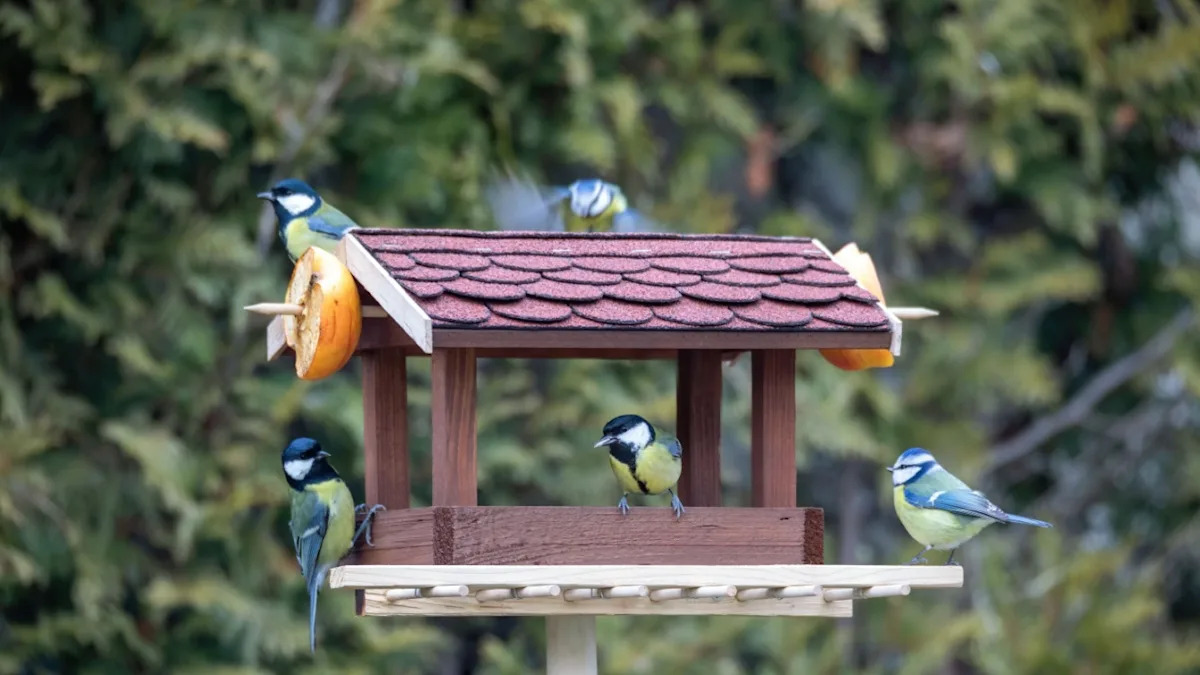
What happens when a backyard bird feeder becomes a trap instead of a treat? Many people think that tossing a little of this or that into a feeder is harmless, but even well-meaning snacks can make birds sick, attract pests, or disrupt their natural diets. A single wrong choice can turn a lively feeding station into a risky zone for feathered visitors.
Improper food is one of the top reasons backyard feeding fails. Birds need specific nutrients to stay healthy, especially in winter or during migration, so understanding what not to put in a feeder is just as important as knowing what to offer. By avoiding these 11 common kitchen scraps and risky treats, your garden can remain a safe and thriving hub for nature.
1. Bread and Bread Crumbs

Image Credit: Shutterstock.
Loaves of stale bread are the most common feeder mistake. While birds will happily eat bread, it acts as junk food for them. It fills their stomachs without providing the necessary protein or fat required for survival. A diet heavy in bread is linked to Angel Wing, a condition where wings develop incorrectly and prevent flight.
Damp bread creates another serious hazard by growing mold rapidly. Mold spores can cause respiratory infections that spread through the flock. Even small amounts of wet bread can contaminate nutritious seeds nearby.
2. Milk and Dairy Products

Image Credit: Shutterstock.
Dairy foods like milk, cheese, or yogurt are sometimes offered with good intentions, but birds cannot digest lactose. Their digestive systems aren’t built for dairy, which can cause severe stomach issues and dehydration.
Spilled milk or soft cheese also spoils fast outdoors, attracting insects and rodents that disrupt feeding areas. This creates an unhealthy environment not just for birds, but for the entire garden.
3. Chocolate

Image Credit: Deposit Photos.
Chocolate contains theobromine, a compound that is toxic to many animals, including birds. Even tiny amounts can cause vomiting, seizures, or heart problems. Dark chocolate is especially dangerous because it contains higher concentrations.
Chocolate also melts easily in warm weather, sticking to feathers and making it harder for birds to regulate body temperature. Once feathers are coated, birds lose their natural insulation and waterproofing, which can leave them vulnerable to overheating during the day and chilling at night.
4. Avocado

Image Credit: Shutterstock.
This popular superfruit contains persin, a fungicidal toxin harmless to humans but lethal to many bird species. Consuming persin can lead to heart damage, respiratory difficulty, and sudden death. The toxin exists in the fruit flesh, the skin, and the pit.
Because the reaction is often fast, birds rarely have time to recover after ingestion. Scraps thrown into a compost pile can still attract curious birds, so proper disposal is necessary to keep the yard safe.
5. Moldy or Spoiled Food

Image Credit: Deposit Photos.
Old seed, damp grains, or spoiled kitchen scraps can grow mold that produces aflatoxins. These toxins are extremely dangerous to birds and have been linked to mass bird deaths in feeder areas.
Once mold is present, it spreads quickly through feeders, contaminating even fresh food added later. Regular cleaning is just as important as food choice. Using hot, soapy water or a mild vinegar solution every couple of weeks can greatly reduce the risk of mold-related illness.
6. Sugary Foods and Candy

Image Credit: Shutterstock.
Candy, pastries, and sweetened cereals spike birds’ blood sugar and provide no lasting energy. Young birds are especially vulnerable to these empty calories. Over time, this can weaken growth and reduce their ability to survive harsh weather or migration.
Sugar also attracts ants, wasps, and raccoons, turning feeders into chaotic and unsafe spaces. This added competition often scares away smaller birds and increases the risk of injury around the feeder.
7. Fried or Greasy Foods

Image Credit: Deposit Photos.
French fries, fried snacks, or greasy leftovers coat feathers and interfere with insulation. Birds rely on clean feathers to stay warm and dry. When feathers lose their structure, birds must burn extra energy just to maintain body heat.
These foods also spoil quickly outdoors, increasing the risk of bacterial growth. Bacteria-laden food can spread illness rapidly when multiple birds feed from the same area.
8. Seasoned or Spicy Foods

Image Credit: Shutterstock.
Spices, onions, garlic, and heavily seasoned leftovers irritate birds’ digestive systems. While birds don’t taste spice the way humans do, the chemical compounds can still cause internal stress. This irritation can lead to reduced appetite, leaving birds short on the energy they need each day.
Long-term exposure can weaken immune systems and reduce survival rates, especially during cold seasons. Birds under nutritional stress are also more vulnerable to disease and environmental changes.
9. Dog or Cat Food

Image Credit: Shutterstock.
Pet food is high in protein and fat, designed for mammals, not birds. While some birds may eat it, it lacks the balance they need and can strain their kidneys. Over time, this imbalance may lead to dehydration and other metabolic problems in smaller bird species.
Pet food also attracts raccoons, rodents, and stray animals, creating competition and safety issues around feeders. These larger visitors can damage feeders and make the area stressful or dangerous for birds to return to.
10. Honey

Image credit: YAY Images.
Honey might seem like a natural and harmless option, but it’s not safe for birds. While birds are drawn to sweet foods, honey can contain natural bacteria and fungal spores that birds’ immune systems aren’t equipped to handle. In warm weather, honey ferments quickly, increasing the risk of digestive infections and illness.
Another concern is texture. Honey is sticky and can cling to beaks and feathers, making feeding uncomfortable and grooming difficult. This stickiness can interfere with feather function, much like greasy foods, and may even trap dirt or insects.
11. Dry Beans

Image Credit: Deposit Photos.
Dry beans, including kidney, black, and pinto beans, are extremely dangerous for birds if fed raw. They contain a toxin called haemagglutinin, which can cause severe digestive upset, vomiting, and even death. Cooking beans destroys this toxin, but raw beans should never be offered in feeders.
Even small amounts can be fatal, especially for smaller bird species that lack the digestive strength to process toxins. Birds that ingest raw beans may experience immediate distress, making it a serious feeding hazard.
Creating a Safe Haven for Feathered Friends

Image Credit: Shutterstock.
Eliminating these risky foods from the menu allows a garden to support local wildlife safely. Stick to high-quality birdseed, suet, and fresh fruit to keep visitors healthy and energetic. A little research into the specific dietary needs of local species can turn a simple feeder into a vital resource for the neighborhood flock. Clean feeders regularly and observe which safe foods the birds prefer to build a thriving, happy environment right outside the window.