NEED TO KNOW
-
Extreme cold and snow beginning Friday could put pets at risk of frostbite and hypothermia
-
Experts urge keeping pets indoors, limiting walks and protecting paws from ice and chemicals
-
Shelters and veterinarians also warn against cold cars and hidden hazards like antifreeze
As a powerful winter storm barrels toward the East Coast, pet experts are urging owners to take extra precautions to keep animals safe as snow, ice and sub-freezing temperatures settle in beginning Friday, Jan. 23.
Forecasters are predicting a mix of heavy snow, icy conditions and bitter cold across large portions of the region through the weekend, with some areas under winter storm watches into early next week, as reported by NBC New York. While people may be preparing by stocking pantries and charging devices, veterinarians and animal welfare organizations say pets need just as much planning (if not more).
“Cold weather can be as dangerous for pets, as it is for humans,” the Suffolk County Society for the Prevention of Cruelty to Animals said in a Jan. 23 advisory, warning that animals have a harder time regulating body temperature and are at risk of frostbite and hypothermia during prolonged exposure.

Getty Stock Images
Stock photo of a woman with her dog.
The American Veterinary Medical Association (AVMA) echoed those concerns, noting that even pets with thick fur are vulnerable in extreme cold. Winter weather can also worsen underlying medical conditions, including arthritis, and introduce hazards like toxic de-icing chemicals, frozen water sources and antifreeze spills.
From limiting outdoor time to checking paws after walks, experts say small adjustments can make a lifesaving difference during severe weather. Here’s what pet owners should know as the storm approaches.
Keep Pets Indoors as Much as Possible
Across the board, animal welfare groups agree: Pets should be kept inside during freezing temperatures. The AVMA stresses that no pet should be left outdoors for extended periods in below-freezing weather, regardless of breed or coat thickness.
In Suffolk County, it’s also the law. Dogs cannot be tethered or confined outside when temperatures fall below 32 degrees Fahrenheit, a rule authorities say will be enforced during the storm.
“If you feel cold, your pet does too,” the SPCA of Texas noted, adding that wet, icy conditions can quickly lead to hypothermia or pneumonia, especially in very young, elderly or medically fragile animals.
Limit Their Outdoor Time and Gear Up When Needed
When outdoor trips are unavoidable, experts recommend keeping them short. Veterinarian Dr. Kate Elden, DVM, chief medical officer at Dutch, a virtual vet service, advises shortening walks to quick bathroom breaks only.
Protective gear can also help. Short-haired dogs may benefit from sweaters or coats, while booties or paw balm can protect feet from ice, sharp snow and chemical burns from salt and de-icers. Wet clothing should always be swapped out immediately, as damp fabric can make pets colder.

Getty Images/iStockphoto
Stock photo of a person wiping their dog’s paw with a rag.
Wipe Down Paws and Watch What Your Pets Might Lick
Salt, antifreeze and ice-melting chemicals pose serious risks if ingested. The AVMA and SPCA of Texas both urge owners to wipe down pets’ paws, legs and bellies after walks.
Antifreeze, in particular, is highly toxic and can be deadly even in small amounts. “Even a small lick from a garage floor can be serious or fatal,” Dr. Elden shared with PEOPLE.
Never Leave Pets in Cold Cars — and Check Engines First
Cold cars can act like refrigerators, trapping frigid air and putting pets at risk of freezing. Experts say pets should never be left unattended in vehicles during winter weather.
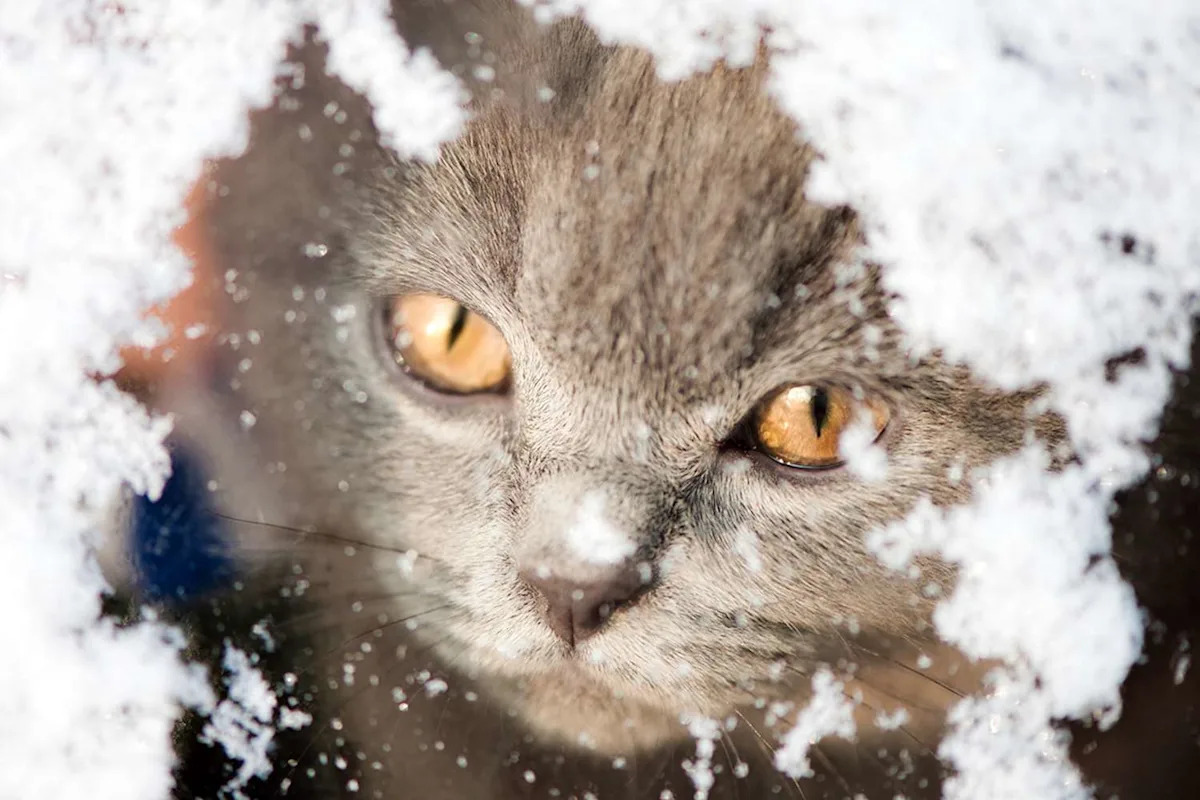
Cats also seek warmth in unexpected places. Multiple organizations recommend knocking on car hoods or honking before starting engines, as outdoor and stray cats may hide underneath.

Consider Extra Support for Pets and Your Local Shelters
Storms can also cause anxiety in animals. Dr. Elden says pressure changes may trigger pacing, panting, hiding or clinginess and owners should seek veterinary advice if symptoms escalate.
Animal Care Centers of NYC is also urging residents without pets to consider short-term fostering during the storm, offering “blizzard buddy” stays to help large shelter dogs ride out the cold safely.
As the storm moves in, experts say preparation, awareness and compassion can go a long way — not just for people, but for the animals who rely on them.
Read the original article on People