The post Giraffes Allowed, Tigers Banned: Florida’s Wildest Pet Rules Upend Expectations appeared first on A-Z Animals.
Quick Take
-
Florida categorizes exotic wildlife into three main categories—Class I, Class II, and Class III.
-
The category an exotic animal is assigned determines whether that animal can be owned as a personal pet.
-
Class I wildlife is not permitted to be owned as a personal pet.
-
Class II and Class III wildlife can be owned as a personal pet, but permits are required.
Florida has strict rules about ownership and possession of wildlife in the state. These rules define and cover the kind of wildlife considered exotic, like tigers, gorillas, and elephants. The rules also cover wildlife most Floridians don’t always think of as exotic, such as alligators and cougars.
Some exotic animals are outright prohibited to personally own for any reason. Others require special permits. Before you bring your favorite exotic animal into the Sunshine State, it pays to understand the rules. That’s the best way to avoid disappointment, potential fines, and even criminal charges.
Which Exotic Species Are Banned as Pets in Florida?
If you have your heart set on adding a pet elephant to your life, we have some bad news—at least if you live in Florida or plan to move there with your pachyderm. Elephants are one of several exotic species that are illegal to possess as pets in Florida.
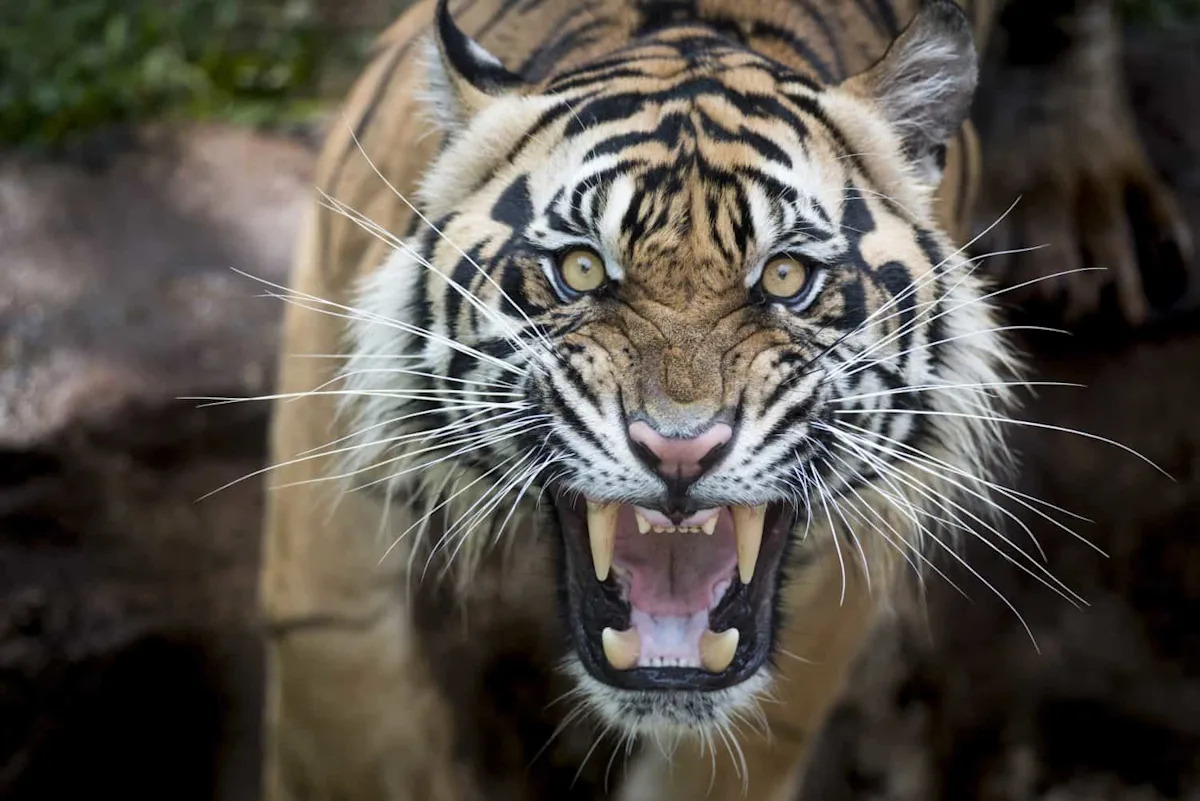
Big cats, crocodiles, baboons, apes, bears, rhinos, and other species also make the full list of exotic animals banned as pets. All these exotic species are categorized as Class I animals pursuant to Florida Administrative Code Ann. R. 68A-6.004. The state considers these animals to present a real or potential threat to human safety.

Crocodiles (except dwarf and Congo) are one of several Class I animals prohibited for personal ownership in Florida.
©Audrey Snider-Bell/Shutterstock.com
(Audrey Snider-Bell/Shutterstock.com)
But what about zoos and animal sanctuaries? They have these animals, don’t they? Class I animals can be owned in the state for non-pet purposes like exhibition, sale, and importation, but there are strict rules in place, and you’ll need a permit. The bar is high for these permits. To qualify, you need to:
-
Demonstrate 1,000 hours of practical experience, spanning at least one calendar year, working with the species you want to possess
-
Pass a facility and caging inspection
-
Show adequate proof of financial responsibility
Learn more about Class I wildlife here. If you fail to obtain the proper permit for a Class I animal in Florida, there are a variety of penalties that could be imposed. The FWC takes strict action against violators due to the inherently dangerous nature of Class I animals.
At the very least, FWC will seize the animal and remove it from your care. There may also be significant fines and even misdemeanor or felony criminal charges, depending on the facts and circumstances.
Are There Any Other Exotic Animals Prohibited as Pets in Florida?
On April 29, 2021, the Florida Fish and Wildlife Conservation Commission (FWC) enhanced some rules for prohibited species in the state. The goal of the new Rule 68-5.001 was to protect the State’s native animals from 16 high-risk, non-native reptiles. While the rule change was prompted by the spiking numbers of invasive Burmese pythons found in Florida’s waterways, other reptiles were also implicated in the rule change.
It’s important to know that some of these reptiles were previously allowed as pets in the state. Pet owners of the newly classified prohibited species were granted an amnesty period to relinquish their animals.

The reticulated python is one of six python species now banned as a pet in Florida.
©jaiman taip/Shutterstock.com
(jaiman taip/Shutterstock.com)
In total, 16 high-risk nonnative reptiles were prohibited from being owned as pets once the new rule went into place. These include:
-
Python (Burmese, Indian, reticulated, Northern African, Southern African, amethystine, and scrub)
You can find a full explanation of all Conditional/Prohibited/Non-Native animals covered by Florida’s rules here.
Which Exotic Species Can You Own As a Pet In Florida?
While you can’t keep a tiger or python as a pet, Florida does permit ownership of some exotic animals for personal use. The State divides these accepted exotic species into two categories. In all cases, both categories require the owner to acquire the applicable permit.
Class II
The State considers all Class II wildlife to present a real or potential threat to human safety. However, since the danger is deemed to be somewhat less than that of Class I animals, personal ownership is allowed under strict guidelines.
Some of the animals Florida puts in the Class II category include bobcats, ocelots, alligators, macaques, giraffes, howler monkeys, coyotes, wolves, ostriches, and badgers. The full list of Class II animals is far more extensive.

With the correct permit and a big enough backyard, you can have a giraffe as a pet in Florida.
©crbellette/Shutterstock.com
(crbellette/Shutterstock.com)
You need a permit for personal or commercial possession of any Class II animal. Prospective Class II animal pet owners would obtain the permit for personal use. However, even if you obtain the proper personal use permit, there is one very important thing to know. While you’re free to cuddle up with your wildebeest on the sofa at home, you can’t take it—or any Class II pet—out in public. If you want to stroll the town with your giraffe, you’ll need to obtain a different permit—one that allows exhibition of a Class II animal.
Class III
This is somewhat of a catch-all category that captures a wide variety of wildlife, both native and non-native, that Florida allows people to keep for personal use. Generally, Class III wildlife is defined as any non-domesticated animal that is not classified as Class I, Class II, Conditional, or Prohibited.
There is a list of Class III animals available that you can browse on the FWC’s website, but it is not exhaustive. It does, however, cover some of the more common exotic pet choices made by people who live in the state. The list includes raccoons, opossums, lemurs, capuchin monkeys, wallabies, zebras, and more. Class III also includes venomous reptiles not prohibited by other FWC rules. These include cobras, vipers, Gila monsters, and more.
If you find an injured, orphaned, or abandoned native animal, you are not allowed to keep it as a personal pet. You must bring it to a permitted wildlife rehabilitation facility for care and treatment. You may only keep the animal for as long as it takes to transport it to the facility. Also, permits are never issued reactively for wildlife you find. The only way to get a permit for a Class III animal is when you obtain the animal directly from a legal source.
How to Legally Own a Pet Exotic Animal in Florida
If you have your heart set on acquiring an exotic animal as a pet, you should first start by determining if the animal you want is even allowed for personal use. Class I animals are a “no-go” as a personal pet under all circumstances. So there’s no chance you’ll be surprising the kids on Christmas morning with a tiger, lion, or bear as the new family pet.
If, however, the exotic wildlife you want falls within Class II or III, then the next step is determining which permit you’ll need. Different exotic animals require different permits. Some permits are good for several years, and others must be renewed annually. Each permit has its own list of specific requirements that must be met.

Howler monkeys are extremely loud. Even though you legally can, you may want to think twice before adding one as a pet.
©Anton_Ivanov/Shutterstock.com
(Anton_Ivanov/Shutterstock.com)
The FWC’s Captive Wildlife Office is the entity responsible for issuing these permits. Their webpage is a great place to start in your journey to exotic animal ownership. You should also consider if you’re realistically prepared to add an exotic species to your life. Considerations like how you’ll keep your mischievous monkey out of trouble, where you’ll securely house a venomous reptile, or who is going to pet sit when you’re away on vacation are all questions you should answer before taking the plunge.
Keep in mind that if things don’t work out, Florida animal shelters may not accept an unwanted ostrich or ocelot. Releasing an unwanted exotic animal into the wild can have devastating consequences. At the very least, the non-native intruder can harm the state’s native animal population. In the worst case, your unwanted exotic pet may injure or kill someone. This reality underscores the fact that owning an exotic pet is a massive responsibility.
The post Giraffes Allowed, Tigers Banned: Florida’s Wildest Pet Rules Upend Expectations appeared first on A-Z Animals.