The post Conservation Swap: Two Zoos Trade Polar Bears in Coordinated Transfer appeared first on A-Z Animals.
Quick Take
-
Two U.S. zoos recently engaged in a polar bear swap; Kali moved to Detroit, while Nuka transferred to Toledo.
-
Bears are transferred for conservation success and individual needs, not for public display preferences.
-
The Arctic Ring of Life is already home to Suka and Haley, two female bears who will be introduced gradually to Kali.
-
Seasonal changes, especially colder months, often bring increased activity, giving zoo visitors more chances to observe natural behaviors.
The Detroit Zoo’s Arctic Ring of Life recently welcomed a new male polar bear named Kali through a coordinated animal exchange with the Toledo Zoo. Kali, now 13 years old, has just arrived in Detroit, while longtime resident Nuka, age 21, moved to Toledo. These transfers are common in accredited zoos. They support animal welfare, population planning, and breeding goals and are not based on public display.
Both zoos have large Arctic-themed habitats. These spaces allow bears to swim, explore, and use enrichment throughout the day. This cooperation between zoos helps manage species that can no longer be brought in from the wild. Each bear’s age, health, background, and temperament are reviewed, ensuring that transfers support both individual animals and the wider population in human care.
Kali Arrives in Detroit
Kali’s path to the Detroit Zoo began in Alaska in 2013, when he was discovered as a young orphan near the Native Village of Point Lay. Because a polar bear cub cannot survive without its mother, the U.S. Fish and Wildlife Service placed him in professional care. Kali was first housed at the Saint Louis Zoo before moving to the Toledo Zoo, where he spent several years growing into adulthood under close supervision from animal care teams.

Polar bears move through deep water, using spacious swimming areas to remain active and mentally stimulated.
©Vladone/iStock via Getty Images
(Vladone/iStock via Getty Images)
During his time in Ohio, Kali developed a reputation among keepers for his problem-solving ability and strong interest in enrichment activities. Puzzle feeders, floating toys, and scent trails often kept him occupied for long periods, encouraging movement and mental engagement. Now at the Detroit Zoo, Kali has access to the Arctic Ring of Life, a four-acre habitat that includes rocky terrain, land areas for pacing and resting, and a large saltwater pool with underwater viewing. Guests can watch him swim past thick acrylic panels as he adjusts to his new surroundings.
Nuka Heads to Toledo
While Detroit welcomed a new bear, Nuka returned to familiar ground in Ohio. Nuka previously lived at the Toledo Zoo before transferring to Detroit several years ago, making his recent move a return rather than a first-time relocation. At 21 years old, he is considered a senior bear, though he remains active and comfortable navigating large exhibits.
The Toledo Zoo plans to reunite Nuka with Crystal, a female polar bear he has shared space with in the past. Keepers hope that placing the two together again may support breeding efforts, though no guarantees are involved. Even when breeding does not occur, compatible pairings can improve quality of life by offering social interaction and predictable routines. Nuka already knows the layout of Toledo’s Arctic Encounter, which includes deep pools, elevated ledges, and underwater viewing areas where visitors often see bears diving after enrichment items.
Why Zoos Swap Polar Bears
Animal transfers like the Kali–Nuka exchange are guided by cooperative management programs rather than individual zoo preference. Organizations such as the Association of Zoos and Aquariums’ Species Survival Plan work with population experts to evaluate genetic diversity, age distribution, and health records across the country. These programs aim to prevent inbreeding while maintaining a stable number of bears in human care.
Because federal law no longer allows U.S. zoos to bring polar bears in from the wild, every captive-born cub matters because of the genetic diversity it contributes when it grows up and mates. Moving adult bears between institutions can open space for breeding pairs, reduce overcrowding, or allow older animals to live in quieter settings. These decisions are reviewed regularly and adjusted as bears age or as new information becomes available. For the animals, the goal is long-term stability rather than short-term display value.

Polar bears are carefully managed through planned moves and pairings to support healthy populations and long-term stability.
©Danita Delimont/Shutterstock.com
(Danita Delimont/Shutterstock.com)
Meet Detroit’s Arctic Neighbors
Kali is not the only polar bear in Detroit. The Arctic Ring of Life is already home to Suka and Haley, two female bears who will be introduced gradually. Animal care staff follow step-by-step introduction protocols, beginning with visual and scent exposure before allowing shared access to the same space. This slow process reduces stress and allows keepers to watch for signs of tension or comfort.
The exhibit itself supports these introductions through multiple holding areas, gates, and escape routes that let bears choose distance when needed. Beyond polar bears, visitors passing through the Arctic Ring of Life can observe seals swimming in connected underwater spaces. Elsewhere at the Detroit Zoo, cold-adapted species such as penguins, brown bears, and Arctic foxes provide additional context for how animals survive in colder climates, though each species has distinct needs.
How Zoos Care for Polar Bears
Caring for polar bears requires extensive resources, planning, and daily labor. Modern guidelines recommend roughly one acre of space per adult bear, along with access to deep pools that allow swimming and diving. Terrain variety is also important, giving bears opportunities to walk, climb, and rest on different surfaces throughout the day.
Modern zoos use a combination of design, technology, and animal care practices to keep polar bears comfortable in warm climates. Exhibits are built with powerful cooling systems that chill rock surfaces, dens, and indoor areas so bears can rest on cold ground even during hot weather. Large pools of cold, filtered water allow bears to swim and regulate their body temperature, which mirrors how they cool off in the wild. Many zoos also provide shaded areas, ice treats, frozen food, and enrichment activities that encourage natural behaviors without overheating. Keepers closely monitor each bear’s health and adjust daily routines, such as feeding and training times, to avoid the hottest parts of the day. Together, these measures help ensure polar bears remain healthy and active year-round, even outside Arctic regions.

Zoos care for polar bears by providing deep pools, varied terrain, and daily enrichment that helps keep them active and healthy.
©Anna-2118/Shutterstock.com
(Anna-2118/Shutterstock.com)
Enrichment plays a central role in daily care. Keepers rotate items such as ice blocks, floating barrels, frozen treats, and scent trails to encourage movement and problem-solving. Veterinary teams regularly monitor weight, dental health, joints, and mobility, adjusting care plans as bears age. Diets are carefully balanced and typically include fish and meat designed to meet high energy demands without promoting excessive weight gain.
Polar Bears in Trouble
In the wild, polar bears face mounting pressure from environmental changes. The species is currently listed as Vulnerable, largely due to the loss of sea ice used for hunting seals. As ice breaks up earlier in the year and reforms later, bears must travel longer distances to find food, often swimming farther than before.
These changes can lead to reduced body condition, lower cub survival rates, and increased encounters with people in Arctic communities. While zoo populations cannot replace wild ones, they offer researchers valuable opportunities to study reproduction, metabolism, and behavior under controlled conditions. Zoos also serve as public education spaces, helping visitors understand how changes in climate directly affect animals far beyond city limits.

A polar bear stands on shrinking sea ice, showing how climate changes are making it harder to hunt for food and survive in the wild.
©Andrewfel/Shutterstock.com
(Andrewfel/Shutterstock.com)
Where You Can See Polar Bears in 2026
Visitors hoping to see polar bears in person have several options across the United States. The Detroit Zoo’s Arctic Ring of Life remains one of the largest polar bear habitats in North America, with underwater tunnels that allow guests to observe swimming behavior at close range. Seasonal keeper talks often focus on individual bears and ongoing care practices.
In Ohio, the Toledo Zoo’s Arctic Encounter provides another opportunity to watch polar bears alongside harbor seals in a shared aquatic environment. Other U.S. zoos, including those in Columbus, San Diego, Memphis, and Louisville, also house polar bears in large, climate-controlled exhibits. Together, these institutions form a network that supports public learning while maintaining consistent standards of animal care.

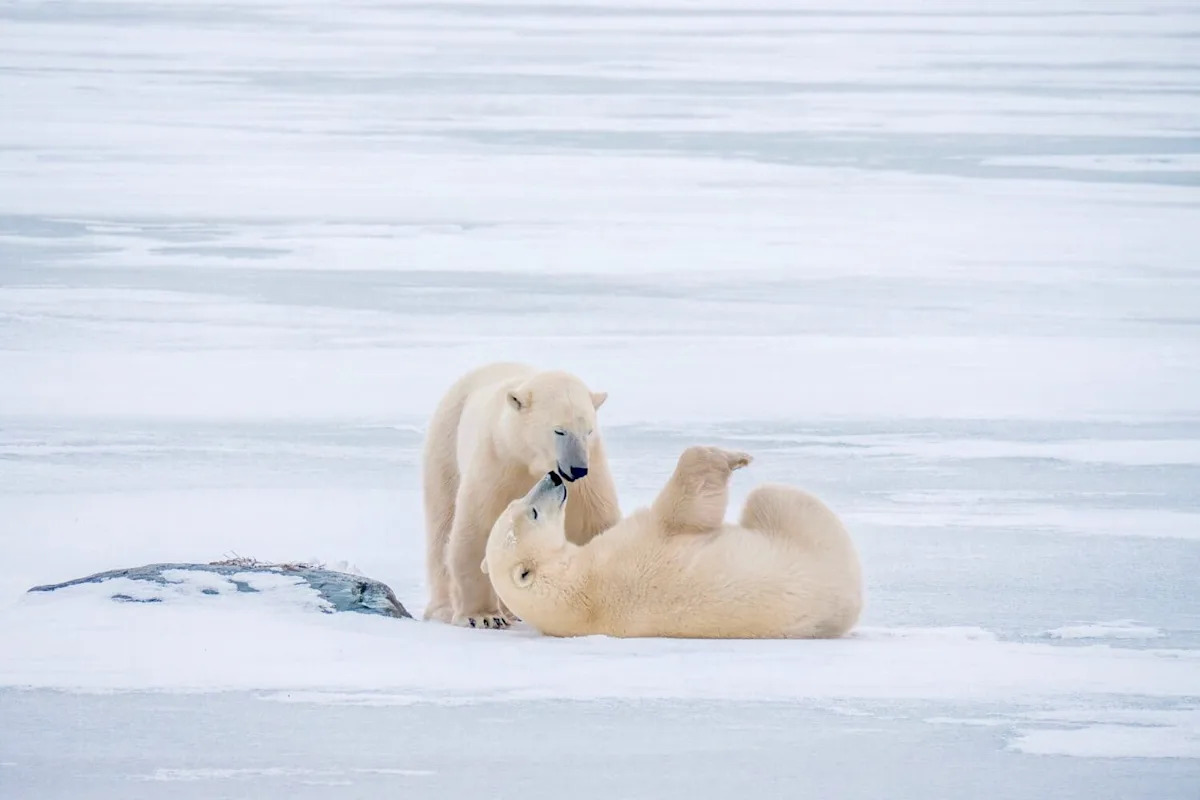
Polar bears can be seen at several large habitats across the United States.
©Patrick J. Endres/Natural Habitat Adventures
(Patrick J. Endres/Natural Habitat Adventures)
What the Swap Means for Visitors
For guests in Detroit, Kali brings a new personality to observe. Keepers describe him as attentive and curious, traits that often lead him to spend time near viewing areas. Visitors may notice differences in how he swims, interacts with enrichment, or responds to activity around the exhibit compared to previous bears.
In Toledo, longtime fans can watch Nuka settle back into familiar surroundings and reconnect with Crystal. Seasonal changes, especially colder months, often bring increased activity, giving visitors more chances to observe natural behaviors. Both zoos use signage, talks, and special programs to connect individual animals with broader conservation messages related to Arctic ecosystems.
Looking Ahead for Kali and Nuka
Over the coming months, staff at both zoos will closely monitor how Kali and Nuka adjust to their new settings. Behavioral observations, health checks, and routine training sessions will help teams respond quickly to any challenges. If cubs are born in the future, they will join a carefully managed population designed to remain healthy over many generations.
For now, both bears serve as ambassadors for their species. Each visit from a student, family, or wildlife enthusiast strengthens public understanding of polar bears and the environmental pressures they face. Through daily care and long-term planning, zoos aim to ensure that these animals continue to play a role in conservation education well into the future.
The post Conservation Swap: Two Zoos Trade Polar Bears in Coordinated Transfer appeared first on A-Z Animals.