Exotic pets have a certain mystique. They’re unusual, eye-catching, and undeniably intriguing.
Whether it’s a brilliantly colored reptile or an unusual small mammal, these animals can feel worlds apart from traditional dogs and cats. However, fascination alone isn’t a good enough reason to bring one home.
While exotic pet ownership can be deeply rewarding, it also comes with complex responsibilities and real challenges. Here’s a closer look at both sides.
Disclosure: PetGuide may receive a small affiliate commission from purchases made via links in this article but at no cost to you.

Axolotl – image via Canva
Axolotl – image via Canva
The Pros of Owning Exotic Pets
1) A Truly Unique Companion
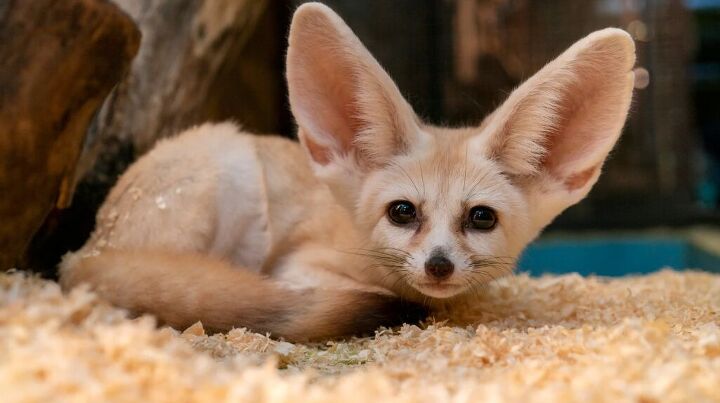
One of the biggest appeals is uniqueness. You’re not likely to meet many people caring for a Fennec Fox or a Savannah Cat. Even reptiles like the Green Iguana bring a presence that’s completely different from more common pets.
For some owners, that rarity makes the bond feel even more meaningful. You’re learning the language and behavior of a species most people only see in documentaries.
2) It’s An Educational Experience
Caring for an exotic pet forces you to learn. You’ll research habitat conditions, nutrition, lighting requirements, and species-specific behaviors. That hands-on education often leads to a broader understanding of ecosystems and conservation.
Many exotic pet owners become passionate advocates for responsible breeding and wildlife protection simply because they’ve invested so much time in understanding their animal.
3) Compatibility With Certain Lifestyles
Not everyone wants a pet that demands constant walks or high-energy play sessions. Some exotic species, particularly certain reptiles and amphibians, may align better with quieter households-though they still require consistent love and care.
4) A Strong Sense of Stewardship
Successfully caring for a complex, non-traditional pet can be incredibly rewarding. There’s a real sense of accomplishment in creating a proper habitat and watching your animal thrive.

Fennec Fox – image via Canva
Fennec Fox – image via Canva
The Cons of Owning Exotic Pets
1) Specialized and Demanding Care Requirements
Exotic animals aren’t domesticated in the same way dogs and cats are. Many retain strong wild instincts and have precise environmental needs. Improper heating, humidity, diet, or enclosure size can quickly lead to illness. Meeting those standards takes time, research, and ongoing attention.
2) Limited Access to Veterinary Care
Finding a veterinarian who treats exotic species isn’t always easy. You may need to travel to see a qualified specialist, and the cost of care can be significantly higher than routine services for traditional pets. Emergency situations can be especially stressful if expert care isn’t nearby.
3) Legal Restrictions and Regulations
Laws surrounding exotic pet ownership vary widely by region. Some species require permits, while others are banned altogether. Failing to understand local regulations can lead to fines or confiscation, so make sure you do your research thoroughly.
4) Ethical Concerns
Not all exotic pets come from reputable sources. Some are linked to irresponsible breeding or illegal wildlife trade. Even when obtained legally, certain species struggle to adapt to life in captivity. Before taking on an exotic pet, consider whether owning it feels right.
5) Long Lifespans and Difficulty Rehoming
Many exotic pets live longer than people expect. Some parrots and reptiles can live for decades. That’s a serious, long-term commitment. If life circumstances change, rehoming can be difficult, as shelters and rescues often lack the resources to care for these species.

Green Iguana – image via Canva
Green Iguana – image via Canva
Final Thoughts
Owning an exotic pet can be exciting and deeply rewarding, but it’s not a decision to take lightly.
The novelty might fade, but the responsibility doesn’t. Before bringing one home, make sure you do thorough research, talk to experienced owners, and honestly evaluate whether you can provide a stable, species-appropriate environment for the long term.
If you could choose any exotic pet, which one would you be most excited to own?

Essential Guide to Exotic Pets
Join the PetGuide community. Get the latest pet news and product recommendations by subscribing to our newsletter here.