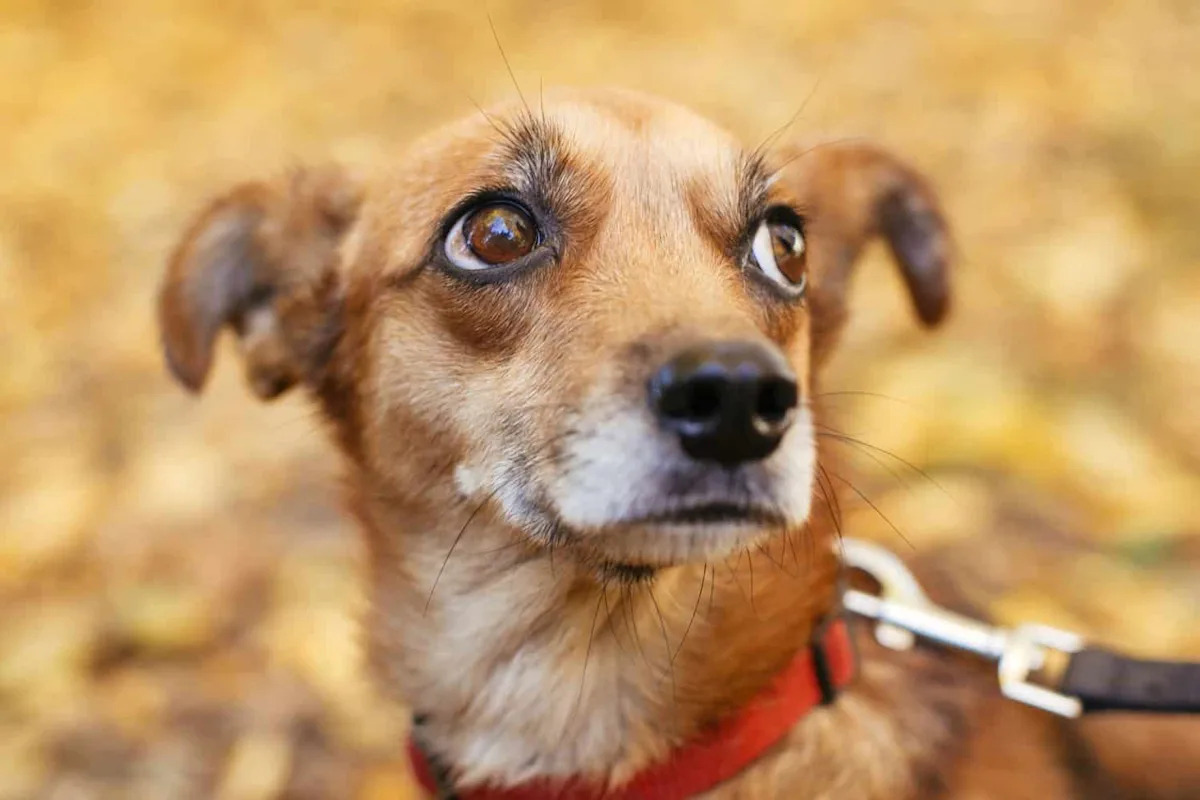
The post 10 Things Your Dog Wishes You’d Stop Doing appeared first on A-Z Animals.
Quick Take
-
Hugging feels restrictive and can cause anxiety rather than feelings of love and affection.
-
Verbal commands are understood by tone and body language, not the words you use.
-
Not allowing dogs to sniff causes unnecessary stress and rushed walks.
-
Contrary to popular belief, not all dogs enjoy socializing.
Our dogs are the loves of our lives. They’re a shoulder to cry on, a friend to play with, and a pal to fall asleep next to. And while many dogs tolerate our humanizing, that doesn’t mean they enjoy every moment. In fact, there are some things that dogs even wish their owners wouldn’t do. Learning your pup’s tells will only make them more comfortable. And you’ll be happier knowing whether they genuinely enjoy being smothered in smooches, or simply wish you’d blow them a kiss instead.
Rushing Walks and Not Letting Them Sniff
This is a double whammy for dogs. They have between 125 and 300 million scent receptors in their noses. You may have noticed your pup with its head down, nose to the ground, whenever they leave the house. Once they pick up on a scent, it’s hard to let that go. For your dog, this is a mystery to be solved and an unknown person or thing to identify. Not allowing them to sniff can cause stress and anxiety, two things no dog owner wants.

Sniffing is instinctive for dogs and helps them learn about their environment.
©Wirestock Creators/Shutterstock.com
(Wirestock Creators/Shutterstock.com)
Additionally, rushing them through a walk can add stress. When they slow down to sniff, it’s instinctual. This behavior is rooted in centuries of their ancestors doing the same thing, and it’s natural. If you rush them through a walk, tugging on the leash to hurry them up, it feels rushed and jarring to a dog. Let them live and let them sniff!
Hugs and Face Nuzzling
As much as we hate to hear it, dogs are not the biggest fans of hugs. It’s so easy to anthropomorphize, or humanize, our family pets. Hugging is a show of love and affection for us, but it means something entirely different to animals. For a dog, it feels like being smothered. Their movements are restricted, which may cause panic and fear.

We might love hugs, but our dogs feel differently.
©unguryanu/Shutterstock.com
(unguryanu/Shutterstock.com)
Some dogs may fight against your hug, while others sit there with “whale eyes.” If the whites of your dog’s eyes are showing and their focus darts around the room, chances are they’re stressed out. You can show affection in other ways, such as stroking their coats, scratching behind their ears, or rubbing their bellies if they roll over. This conveys safety and affection to a dog and is a much better way to bond than hugs.
Speaking to Them in Words Instead of Tones
It would be amazing if dogs could understand us, wouldn’t it? Unfortunately, they don’t understand the English language or words in general. Commands such as “sit,” “lay,” “stay,” and “paw” are easily recognized by your dog for two reasons. The first is the tone of voice you use when you say these words. The second is the use of hand gestures and body language, as well as repetition. Dogs hear these sounds and the tone of your voice and know a treat is coming when they respond correctly.

Misbehaving means your dog is trying to tell you something, not that they’re acting out intentionally.
©Maximilian100/Shutterstock.com
(Maximilian100/Shutterstock.com)
If you talk to them like humans, they won’t understand, which may confuse them further. Saying something like, “Can you be a good girl and sit?” registers differently than simply saying, “sit” in a firm, authoritative tone. Dogs may catch certain words, such as “good girl” and “sit,” but can’t draw the same inferences as humans can.
Having Staring Contests
It’s all fun and games until your dog resigns the staring contest and hunkers down in their kennel. Centuries of instincts have taught your dog that direct eye contact is a threat. Humans are one of the only species to consider eye contact respectful. In the animal kingdom, it’s a sign of dominance and assertion. Those staring contests might be fun for you, but they feel uncomfortable for your pup.

Direct eye contact is a big no-no for most dogs.
©MDV Edwards/Shutterstock.com
(MDV Edwards/Shutterstock.com)
If your dog looks at you, do them a favor and opt for fleeting glances rather than dead-on eye contact. They often look at their owners as a sign of love and affection, and you’ll notice this happens when you’re not paying attention. There’s a reason for that! Their love might be a little sneaky, but trust that it exists.
Waking Them to Play During a Nap
While most of us would love to lie in bed for 20 hours, most adult dogs need between 10 and 14 hours of sleep per day, while puppies and senior dogs may sleep up to 20 hours. The older the dog, the more sleep they need to recover from daily activities. This is why waking them during a nap isn’t only a bad idea; it can also cause fear or paranoia.

Napping is essential, and dogs need way more of it than humans do.
©ArtBBNV/Shutterstock.com
(ArtBBNV/Shutterstock.com)
Dogs typically startle awake as a natural defense mechanism. Waking them to play, walk, or go out can disrupt their sleep cycles, which causes stress. It’s not unlike if someone were to shake you awake during your REM stage. The same groggy, anxious, and irritable feelings you get are similar to what your dog feels when forced awake.
Scolding Them Like a Little Kid
Guilt is a purely human emotion. While it’s something we may project, it’s not something that our dogs feel. What they do process is fear and anxiety. If your dog has an accident in the house, that “guilty” or “shameful” look is primarily due to knowing they’ve disappointed their owner, or alpha, in dog language.

Your dog responds to your tone and body language, not your words.
©Krakenimages.com/Shutterstock.com
(Krakenimages.com/Shutterstock.com)
Your dog’s biggest goal in life is to appease you, the one they look to for discipline and guidance. When the tone of your voice indicates they’ve failed, their ears go back, their eyes look downward, and their body language becomes distant. Scolding them as though they understand only adds to this fear. Trust that they know what they’ve done and, rather than talking down to them, reinforce the correct behavior.
Believing They Can Entertain Themselves
We’ve said anthropomorphizing your pup isn’t the answer, but in some ways, they are like children. This includes playtime. While dogs are perfectly capable of entertaining themselves, they shouldn’t need to do it all the time. They genuinely enjoy interacting with their owners, and playtime becomes a close bonding activity.

Playtime is great, but playing with their owners is even better.
©Zheka-Boss/iStock via Getty Images
(Zheka-Boss/iStock via Getty Images)
The closest thing your dog will feel to love is when you’re playing with them. This releases dopamine, a happy chemical, in their brains. It strengthens the bond between pup and owner and is also a great stress reliever. There’s no downside to playtime, only positive vibes and lots of happy barks.
Assuming Puzzles Are Too Difficult
Puzzles are often an overlooked toy for dogs. While our smarts far exceed that of a dog’s when it comes to logic, they are not unintelligent by any means. A puzzle challenges your dog in ways they can instinctively pick up on. They also provide enrichment that might not come from average playtime or a walk.

Interactive puzzle games help channel your dog’s energy constructively.
©Sandor Gora/Shutterstock.com
(Sandor Gora/Shutterstock.com)
Dog puzzles also come in various levels, so if one is too challenging for your pup, start on a lower level. It doesn’t mean they lack problem-solving skills—it simply means they haven’t practiced enough! You’d be shocked at how easily dogs piece things together, and how quickly they solve intricate puzzles.
Overwhelming Them In Crowded Places
Just because a venue is dog-friendly doesn’t mean it feels that way to your pup. We would all love for our dogs to thrive in crowded places and thrive on adrenaline as we do. Unfortunately, that’s not always the case. This can vary by breed, but it also heavily depends on your dog as a whole. Some dogs might genuinely enjoy loud environments and the hustle and bustle. Others may shy away from it and become withdrawn or, in severe cases, anxious and fearful.

Not every dog loves other people or crowded places.
©Aleksey Boyko/Shutterstock.com
(Aleksey Boyko/Shutterstock.com)
The best way to gauge this is to take short outings. Pay attention to your pup’s body language and interactions. Sometimes, working up to a crowded mall or restaurant is possible. Other times, your dog might have a hard limit when it comes to being around strangers. Don’t force it!
Encouraging Every Social Interaction
Some dogs and breeds are more social than others. Granted, this also depends on how much a dog was socialized as a puppy. However, even if you’ve done everything “right” by training standards, your dog might not enjoy company. Forcing social interactions, especially at the dog park or with strangers, only causes stress.

A dog’s social skills are as unique as its breed and temperament.
©Fercast/Shutterstock.com
(Fercast/Shutterstock.com)
It’s always best to consult a professional trainer or dog handler if your dog shows extreme fear or aggression. But if your dog remains reclusive, comes back to your side repeatedly, or has no interest in socializing, take their cues. Just as you wouldn’t want someone to force a hangout, you don’t want to do that to your pup, either. Especially when you are a part of their comfort zone!
The post 10 Things Your Dog Wishes You’d Stop Doing appeared first on A-Z Animals.