Many times, living in an apartment often creates misconceptions in people’s minds. It leads people to believe that a small dog is the ‘default’ choice. We assume that because a dog doesn’t take up much physical space, they won’t mind a limited floor plan. However, size is rarely the best indicator of how well a dog will handle urban living. Energy levels, vocal tendencies, and historical breeding play a much larger role.
Many small dog breeds had originally been developed for high-intensity work. This includes hunting, vermin control, or long-distance tracking. Now, when they are confined to four walls and a balcony, it often requires more exercise/stimulation. The “small dog” energy can quickly turn into big-time stress.
Here are eight small dog breeds that frequently struggle in apartment settings despite their compact frames.
Jack Russell Terrier

The Jack Russell is the ultimate example of a ‘big dog in a small body.’ They were originally bred for hunting with extremely high stamina. And these terriers were designed to keep up with horses and hounds all day. They possess an internal engine that never seems to die.
In a small space, a Jack Russell gets bored quickly. Of course, this leads to destructive behavior. If they aren’t given a job or a massive physical outlet, they will ‘remodel’ your home by chewing baseboards or digging into sofa cushions.
Shiba Inu

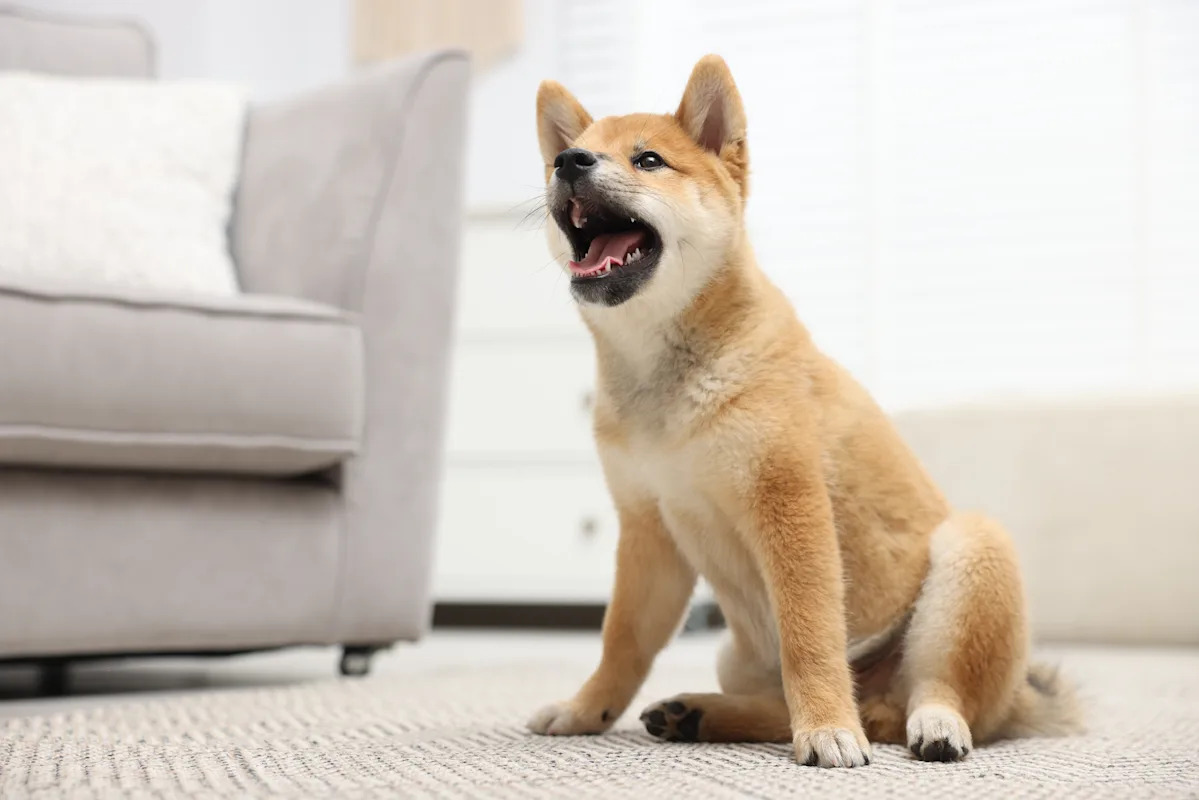
The Shiba Inu is quite well-known for its fox-like appearance. But they are very far from being ‘lap dogs.’ This breed is actually very, very shy and stubborn. Very appropriately, they are described as having a cat-like personality.
They value their personal space and often dislike confinement and strict control. So, living in a small apartment can feel claustrophobic. The biggest hurdle for apartment dwellers, however, is the ‘Shiba Scream.’ Their loud vocalizations can be an issue for neighbors.
Beagle

Beagles are iconic family dogs, no doubt about it. However, their olfactory drive is a mismatch for thin flat walls. As scenthounds, they have a strong scent drive. Basically, this makes them restless while indoors.
This fixation usually leads to the Beagle’s most famous trait. Yes, the ‘bay.’ They are prone to loud barking and howling, a deep-chested sound that carries for miles. To keep a Beagle happy in the city, they need significant space and activity to stay calm.
Miniature Pinscher

They are known as the King of Toys. The Miniature Pinscher is a powerhouse of confidence. They are very alert and reactive to sounds. If a neighbor just walks past the door, the dog may treat it as a major security breach. They possess incredibly high energy in a small body.
Without a structured environment, the Min Pin can become noisy and restless. They are escape artists who require constant engagement. Their tendency to ‘boss their environment’ can lead to non-stop patrolling in the apartment.
Dachshund

Don’t let the short legs fool you! These wiener dogs were bred to hunt badgers in underground tunnels. They are actually sent hounds by nature. The sausages are surprisingly vocal and alert, viewing themselves as world-class guardians.
So, they will bark loudly and furiously at anything that looks remotely ‘suspicious’ to them. Their stubborn personality makes training harder, especially when it comes to quiet commands. Furthermore, they have strong digging instincts.
Toy Poodle

Toy Poodles are among the smartest dogs in the world. That intelligence is exactly why they struggle in small, repetitive environments. They are highly intelligent and easily bored and require more than just a quick walk around the block. If their minds aren’t busy, they will find ways to entertain themselves.
And this is usually at the expense of your furniture. This breed is also highly people-oriented and prone to separation anxiety. In an apartment setting, owners work for long hours.
Chihuahua

The Chihuahua is the quintessential apartment dog by size. Right? However, their temperament tells a different story. They are often territorial and reactive, viewing the entire apartment floor as their kingdom. Because they are so small, owners often skip the ‘big dog’ training they desperately need.
A Chihuahua needs proper socialization to stay balanced. Without it, they become suspicious and ‘yappy.’ This happens frequently in common areas like lobbies and elevators. This creates friction with other tenants.
Yorkshire Terrier

The Yorkie may look like a fashion accessory. However, they are terriers through and through. They possess very vocal and alert watchdog behavior, originally bred to hunt rats in clothing mills. This means they are biologically wired to notice (and announce) every movement.
Yorkies tend to bark at noises and random strangers. They even bark at shadows, which can quickly lead to noise complaints. Like many small, intelligent breeds, they can develop separation anxiety. And this may turn them into Velcro dogs.
Conclusion
If you’re planning to get any of these breeds, then it may be more challenging in apartment settings. Oh, wait. It’s the other way round. Choosing a breed whose needs align with your living situation helps support better long-term welfare and a more successful match. So research a breed well before getting it.