The post How Everyday Activities Spread Invasive Species Across the U.S. appeared first on A-Z Animals.
Quick Take
-
Roughly 8,500 invasive species exist in the U.S. as of 2026.
-
Ballast tanks on ships have become targets for a number of invasive marine species.
-
Certain ecosystems can be endangered by the introduction of non-native species.
-
Something as simple as a pet supply moss ball in 2021 spread an invasive species across the U.S.
As of 2026, more than 8,500 invasive species are established in the U.S., including plants, insects, reptiles, amphibians, and mammals. They also range in diversity from marine life to terrestrial animals, and some of them may even have a home right in your own backyard. The term “invasive” refers to a species that is not native to a particular ecosystem, and its introduction is rarely beneficial. Few invasive species provide any benefit to the ecosystems they enter. Surprisingly, humans often make the problem far worse by spreading invasive species. Here’s how this happens and how you can help stop it.
Why Are Invasive Species Harmful?
Introducing non-native wildlife to an established ecosystem disrupts the natural balance, much like adding an incompatible link to a smooth chain. Some species may integrate with effort, while others cannot fit in at all. More often than not, it disrupts indigenous flora and fauna and can even lead to the decline of other native species.

Pythons are invasive in the Florida Everglades, and organizations actively remove them.
©Lucian Coman/Shutterstock.com
(Lucian Coman/Shutterstock.com)
The first primary concern is at the biological level. A new species automatically introduces new bacteria and pathogens into an ecosystem, and this can go both ways. The non-native species may fall victim to pathogens already present in the environment, to which native species have become immune. Alternatively, an invasive species may introduce new pathogens. These have the potential to sicken or kill native species that have never been exposed to the viruses or bacteria. As these pathogens spread, they can wreak havoc on an ecosystem, disrupting its natural balance.
Another concern is the loss of biodiversity. Whether a species is an herbivore, carnivore, or omnivore, its primary goal is to survive and reproduce. It may accomplish this by consuming native vegetation or other animals. This causes issues for both species: native life is lost at an alarming rate, and the invasive species may not obtain the nutrients it needs from supplemental sources. If the invasive species reproduces, the cycle intensifies. In extreme cases, this can endanger and even lead to the extinction of native species. But how does this happen in the first place?
On the Water From Ships and Boats
Marine life is among the most common invasive species. As ships travel from port to port, marine species from other regions latch onto the hulls or catch rides in the ballast tanks. As the ballast tank fills with water, it may unintentionally collect some marine hitchhikers as well. This invasive marine life typically consists of hearty species that can survive a wide range of conditions.
Zebra mussels are one species that have proved a nuisance for native marine life, aquatic environments, and infrastructure. Originally hailing from Eastern Europe, these sticky shellfish found their way into ship ballast tanks around 1986. As the ships left the Black and Caspian Seas, they brought zebra mussels back with them to the United States.

Zebra mussels are highly invasive, and thousands can hitch a ride on a single ship hull.
©Dolores M. Harvey/Shutterstock.com
(Dolores M. Harvey/Shutterstock.com)
By 1988, they were found as far inland as the Great Lakes, likely having traveled as larvae before spawning upon arrival. Now, they clog pipelines and disrupt the food chain, although management efforts have slowed their spread in some regions. Zebra mussels are so invasive that they were even found in pet supply moss balls in 2021. By the time they were discovered, they’d already been shipped to various aquatic supply warehouses.
Trading and Shipping of Goods
Shipment transport is a common cause for the spread of insects and microorganisms, such as spores or fungi. The wooden boxes used in shipments can easily become a breeding ground for the right species. This is how the infamous wood-boring Asian longhorn beetle arrived in the United States. It was first identified in Brooklyn and on Long Island in 1996, and sightings continued throughout New York City. Its presence caused significant tree dieback and cost the state $500 million in extermination efforts. Sightings continued through 2020, which is a testament to the adaptability of invasive species.

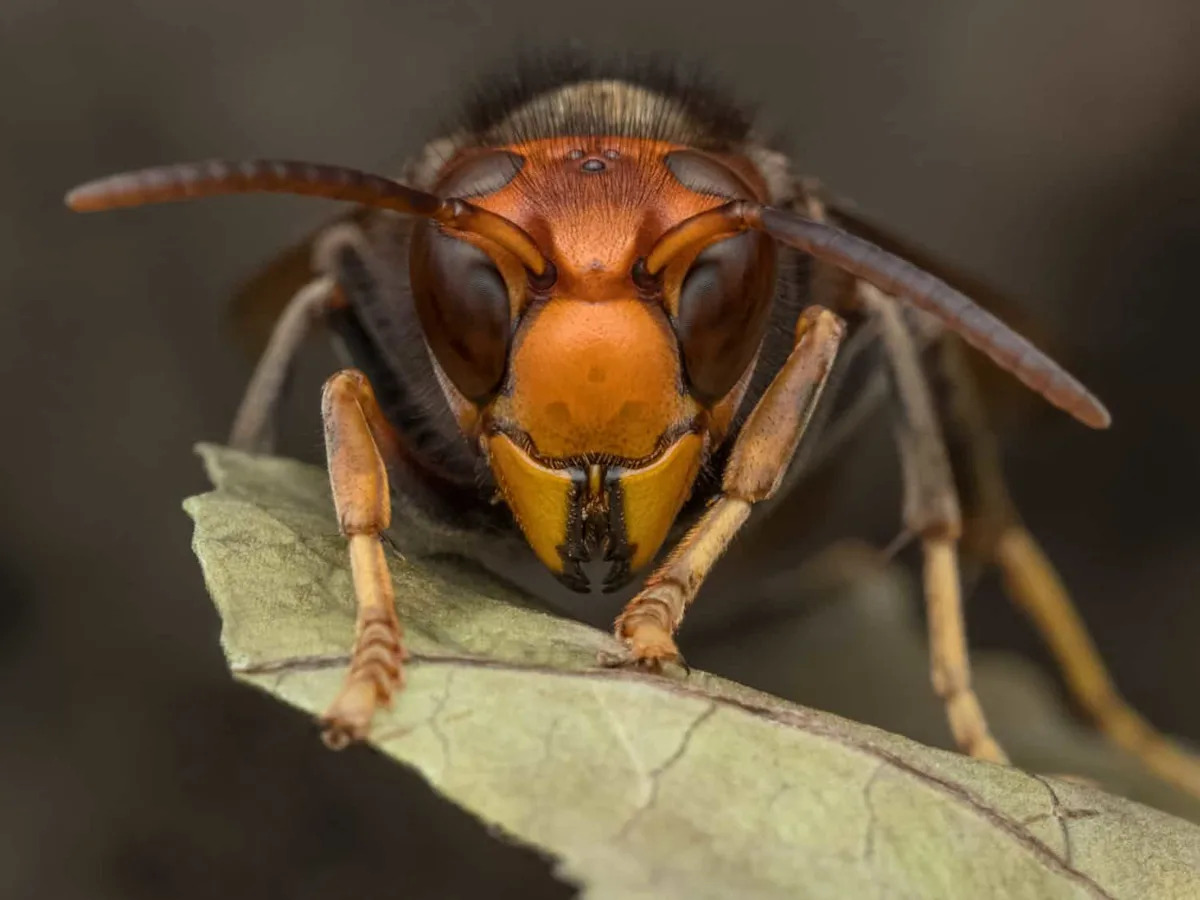
The Asian Giant Hornet is not only invasive, but it’s also the cause of dozens of human deaths every year.
©iStock.com/kororokerokero
(iStock.com/kororokerokero)
It’s also theorized that the Asian giant hornet migrated to the Pacific Coast in the same way. Experts believe a hornet queen was hibernating in a shipping container originally bound for Vancouver Island, Canada. That same year, in 2019, Asian giant hornets were also found in Blaine, Washington. While quick and efficient protocols kept the dangerous hornet from reproducing, it’s a reminder of how easily a species can spread.
Intentional Transplant of a Species
During the early days of America’s discovery, few understood the dangers posed by invasive species. Immigrants brought species from across the pond for various reasons. Some wanted natural pest control, while others were simply bringing their favorite ornamental plants, such as English ivy. One of the biggest mistakes made by early explorers, though, was introducing feral swine.

Feral swine have a strong sense of smell and sharp tusks used for defense, making them highly adept at surviving.
©Mircea Costina/Shutterstock.com
(Mircea Costina/Shutterstock.com)
This invasive species was introduced for hunting. Unfortunately, early settlers did not anticipate its high reproduction rate and adaptability. Today, feral swine continue to cause havoc for landowners and other native species. The problem remains especially prevalent in the South, though recent management programs have slowed their expansion.
Unintentional Spread by Weather
Climate change has only worsened the spread of invasive species. High winds, storm surges, and unusual weather patterns can potentially push wildlife out of their native habitats. Flooding is a significant factor in spreading invasive species, particularly in vegetation. Regions with warm-weather-loving plants and frequent major storms are especially vulnerable to the spread of invasive species.
This is how invasive plants such as kudzu and giant hogweed have spread throughout the South. While kudzu doesn’t pose a significant risk to humans, it tends to overtake anything it encounters. It is also hazardous to wildlife, choking out other types of vegetation, shelter, and food sources. Vines can grow up to three feet per week, making it increasingly difficult to cut back.

Giant hogweed is invasive in many parts of the U.S. and highly toxic.
©iStock.com/Mieszko9
(iStock.com/Mieszko9)
Giant hogweed, on the other hand, is hazardous in more ways than one. Its irritating sap can cause chemical-like burns and blisters on the skin, and it can potentially cause blindness if it gets into the eyes. This is also true for wildlife, which need to avoid the toxic plant when foraging. Giant hogweed is resilient enough to survive harsh temperatures and brutal winters. It is found throughout much of the U.S., particularly in the Northeast and Pacific Northwest near waterways.
What Can We Do to Stop Spreading Invasive Species?
Humans can also unknowingly transport invasive species, especially those that are microscopic, such as insects, seeds, or spores. Travel is a possible means of hitchhiking for an invasive species. Here’s what you can do at home to ensure you’re not carrying an unwanted passenger:
-
When boating, be sure to thoroughly wash down your boat before transferring it to another dock or body of water. Marine life can attach itself to hulls easily and reproduce quickly.
-
When hiking (inside or outside the U.S.), ensure that all gear is thoroughly cleaned and sanitized. Use travel bags to keep things like boots contained until they can be washed.
-
Avoid bringing back food, especially fruits and vegetables. Insects and microorganisms can burrow into crops, making them undetectable until they emerge.
-
Wash and sanitize all clothing when you get home. Insects can easily find their way onto clothes and into suitcases, where they can remain until everything is unpacked.
-
Ensure that all pets are up to date on their shots and vaccinations. Humans aren’t the only ones who can bring back unwanted pests after traveling.
The post How Everyday Activities Spread Invasive Species Across the U.S. appeared first on A-Z Animals.