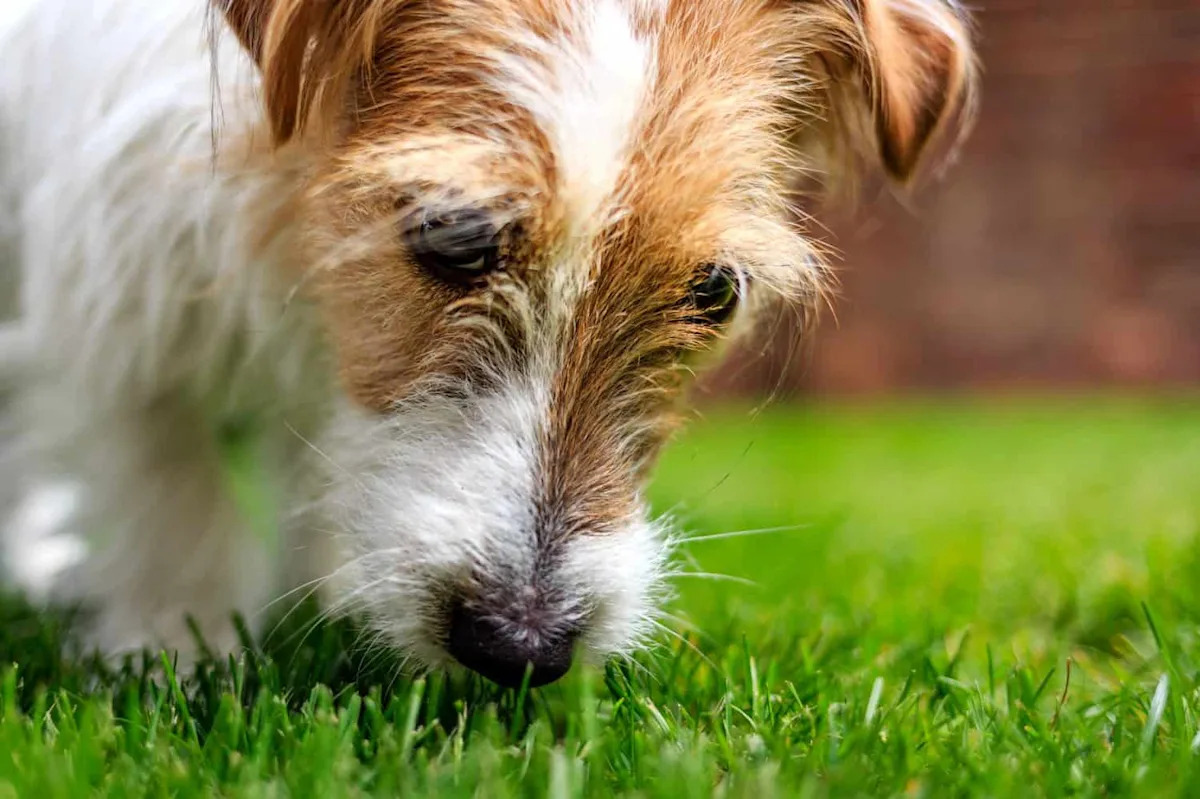
The post Why You Should Take Your Dog on a ‘Sniffari’ appeared first on A-Z Animals.
Quick Take
-
300 million olfactory receptors help dogs detect details of their environment.
-
Dogs use 33% of their brain to identify things, animals, and people in their surroundings.
-
Studies confirm that 10 to 15 minutes of sniffing is enough for your dog to get a mood boost.
-
Sniffaris can also soothe a dog’s overactive nervous system.
A dog’s sniffer is their best, favorite, and most-used tool. In perfect conditions, your pup can scent things from up to 12 miles away. For some of us, it might seem like our dogs can smell someone’s dinner takeout from the next town over. It’s impressive, to say the least. Dogs have between 100 million and 300 million scent receptors, depending on the breed, which are responsible for this incredible superpower. These receptors are also responsible for relaying crucial information back to your dog’s brain, where it is interpreted in several ways.
These scents tell them if something is familiar, scary, dangerous, or, of course, tasty. But sniffing has additional benefits that can even improve your dog’s mental health, stress level, and mood. And the easiest way to trigger all of these things is with a sniffari.
How Does a Dog’s Nose Work in the Wild?
We’ve all been there: one more block to go, and your dog is pulling on the leash like a racehorse fresh out of the gate. Keeping them on the sidewalk rather than in your neighbor’s yard can be a frustrating, tedious effort. But it turns out that your dog’s sniffer is going rogue for a reason, and not just because they’ve caught a whiff of the nearby trash can.
A dog’s sense of smell is so sophisticated that it can be used to “map out” the area they’re exploring. As they identify certain smells, they also note their locations and discover clues about their surroundings. It’s how they detect anything from new humans to other animals, including during greetings with other neighborhood pups.

Dogs make inferences using their noses, which are their most powerful tool for exploration.
©Ryan Brix/Shutterstock.com
(Ryan Brix/Shutterstock.com)
Their nostrils operate independently, allowing for maximum sniffage. This forces more scent molecules into their scent glands, which they can label more quickly and efficiently. While dogs also use their eyes and ears, their noses are essential for identifying certain smells. By the time your dog is done, they will know exactly where they’ve been, what’s around, and whom you passed. The most impressive scent-mapping is done through your dog’s secondary olfactory gland, located on the roof of the mouth. This gland acts as a safety net for any unidentifiable pheromones, allowing your dog to register these scents while their nostrils handle the more easily identifiable ones.
How Does Sniffing Benefit Your Dog?
In short, the answer is yes. While your dog will survive a quick jog around the block without sniffing, it won’t benefit them mentally. It could even add stress to your daily walks, especially if your pup has to deal with a tugging leash the entire time. Dogs engage in an activity called “scent work,” which allows them to seek out bursts of dopamine as they explore. In addition to being a handy navigational system, dogs have a built-in sensory-seeking need: their sense of smell.
Dogs that sniff their surroundings display signs of a healthy pup. This curiosity sends signals to their central nervous system, making them feel excited, happy, and adventurous. As they sniff out each clue about their environment, dopamine is released, and the cycle continues as they move from place to place.

Keeping your dog from sniffing may cause them unnecessary stress.
©gemphoto/Shutterstock.com
(gemphoto/Shutterstock.com)
Denying a dog the right to sniff can lead to stress, especially when encountering unfamiliar scents. It’s no different from not allowing your pup to sniff out a stranger who’s visiting their territory. Rather than releasing dopamine, it triggers anxious feelings, inhibiting a dog’s curiosity and going against their natural instincts. The hard part is finding an equilibrium between too much sniffing and just enough. A brisk walk is good for your dog physically, but incorporating a sniffari into your weekly routine provides additional mental and emotional enrichment.
How to Take Your Dog on a Sniffari
The good news is that a sniffari is easy to plan, costs nothing, and can only help your pup. If you have a fenced-in yard or an open space with good recall, your dog is likely already taking themselves on sniffaris. Even so, introducing them to new, safe areas to sniff is always a good idea. This might look like daily or weekly walks, around the block or to the park. Each day will offer your pup something different to sniff, which will spark that natural curiosity. At the same time, following a familiar route can help reduce leash-tugging and overexcitement. If the destination is the park, they’ll be more motivated to get there, which can further streamline walks while you allow them to sniff.

Parks are an excellent place to let dogs go on a sniffari, and are often safer than letting them sniff in streets.
©iStock.com/Verelly
(iStock.com/Verelly)
The most important thing to remember is that your dog is allowed to sniff things. Trees, the ground, random pinecones, the list goes on. While it’s important to know what they’re sniffing for safety reasons, it’s equally important to let them interpret what they smell. A good rule of thumb is to allow your dog at least 10-15 minutes of sniffing during each walk, though longer walks can provide even more enrichment. This provides a set amount of time for you both during the day and helps narrow down the walking route.
Patience is also key here. You might get restless while your dog sniffs a seemingly insignificant spot on the ground. Keep in mind that while it may seem boring to you, your dog’s brain is highly active, with their synapses firing and releasing feel-good chemicals. By the time you return home, you’ll have a tuckered-out, blissfully exuberant dog who was allowed to do what they do best: be a dog.
How to “Sniffari” Indoors
Living in an apartment building or city can make sniffaris a little more challenging. You might not have the ability to let your pup stop on the sidewalk, or it might be too dangerous to pause next to a busy street. The good news is that you don’t have to if you bring the sniffari indoors. Doing this is easier than you think, and provides your dog with the same benefits they’d get by doing it outside.
Sniff mats are a great way to incorporate sniffaris into an apartment or city living. These have pockets or special folds where you can hide your dog’s favorite treats. Once they’ve caught the scent, you can sit back and watch their noses work magic. It’s a great (reusable) way to stimulate your dog’s sense of smell while engaging them in exploration right in their own living room. The same theory applies to dog puzzles, especially those that require your pup to push aside latches, doors, or hinges to find the treat. These are a little pricier, but great for small spaces.

Dog puzzles trigger the same scent receptors your dog uses on walks, making them an efficient tool for mood-boosting.
©alexei_tm/Shutterstock.com
(alexei_tm/Shutterstock.com)
If your budget doesn’t allow for these items, don’t worry. You can create a sniffari around your home easily with anything from (pet-safe) jarred spices to treats or vet-approved snacks. Keep the spices sealed, let your dog sniff them, then hide the jar and give your dog the command to sniff it out again. Or, simply hide their treats in easy-to-sniff-out locations, and watch as your home turns into a playground for smells. If you want to give them a challenge, try using treat flavors they haven’t had yet. The scent will be brand new to them, but still motivational enough to get those nostrils working.
The post Why You Should Take Your Dog on a ‘Sniffari’ appeared first on A-Z Animals.