Parade Pets and Yahoo may earn commission from links in this article.
It’s so sweet to have your dog be your constant companion, but it’s understandable to feel slightly annoyed when you can’t even go to the bathroom without your pup following you or whining to be let in. If it feels like you can’t do anything without your pooch joining you, you probably have a Velcro dog. You’re not alone, though. Lots of pet owners find themselves in the same positon and are often left wondering, “How can I help my dog with separation anxiety?” Luckily, we rounded up 7 ways you can help clingy dogs foster independence, according to trainers.
Why are dogs clingy in the first place? “‘Velcro-like’ behavior for dogs is usually rooted in attachment, so these dogs feel safest close to their person,” says Erin Askeland, CPDT-KA, CBCC-KA, Camp Bow Wow‘s animal health and behavior expert. But this can be a little challenging for pet owners to deal with, day in and day out. “We all love a Velcro dog wanting to be near us, but sometimes it creates an overly bonded dog,” says Elisha Stynchula, CPDT-KA, certified dog trainer and owner of I Said Sit School for Dogs.
After all, attached dogs can struggle when you inevitably need to be away from them, whether it’s at work or just out living your life away from home. “Some dogs can become reliant on having their owner nearby, making it harder for them to cope when their owner is out of reach,” Askeland says. But just because your pup is stuck to you like glue right now doesn’t mean they’ll always be that way. A little targeted training can help to teach your furbaby that they can get through the day—and even thrive—without you both being on top of each other. “The goal is to gently teach them that space and time away from you, even when you’re available, is safe, too,” Askeland says.
With that in mind, these are the top ways trainers recommend teaching your furry sidekick to be a little more confident and independent so they know that even though you’re their safe place, they can enjoy their alone time too.
Related: 6 Top Vet-Recommended Dog Breeds to Own in 2026
7 Ways to Help Velcro Dogs Become Less Clingy

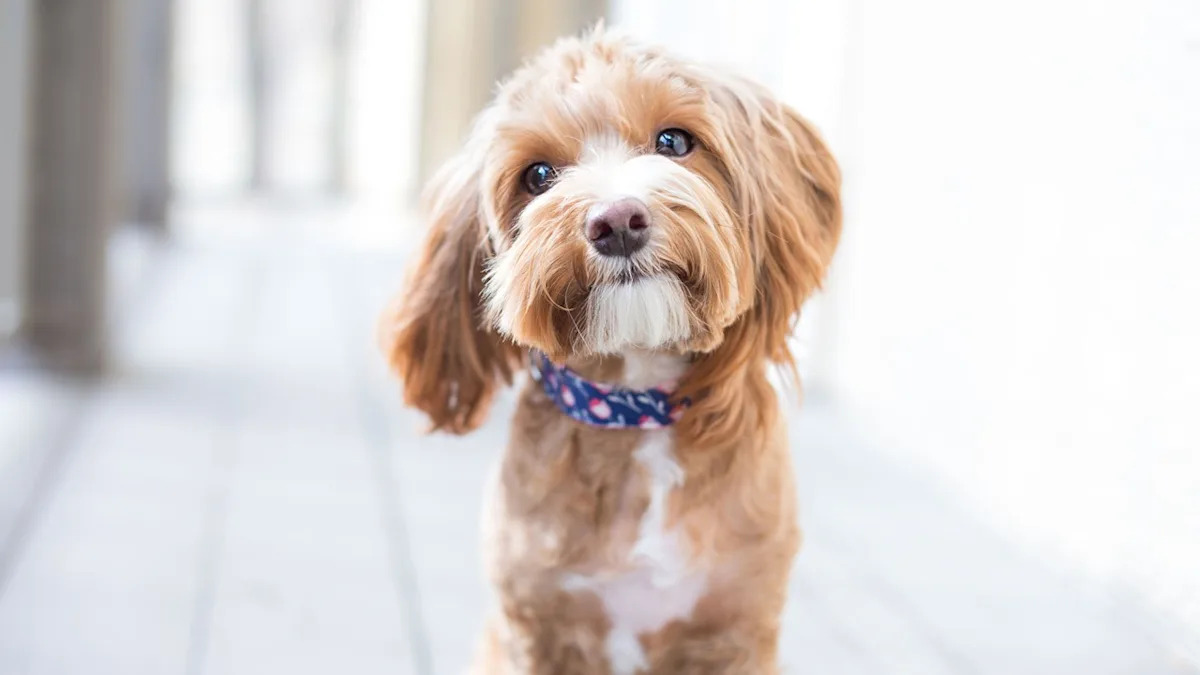
A dog who is attached to its owner and needs to be independent.Getty Images raquel arocena torres
(Getty Images raquel arocena torres)
Making a change takes patience and consistency, but by implementing these simple, trainer-approved methods, you can gently guide your needy dog toward being comfortable on their own. These steps focus on positive reinforcement and making alone time a calm, happy experience.
1. Start with small moments away from each other
While it’s nice when your dog enjoys hanging out with you, it can sometimes lead to a clingy dog not knowing how to be alone without worrying. Because of this, in a perfect world, you’d train your dog early that it’s OK to be away from you sometimes, Stynchula says. “Simple steps like closing the door if you go to the bathroom, supervised tethering or putting up a baby gate can start to teach your dog that the smallest bit of separation is normal and nothing to stress over,” she says. “The trick is pet parents have to create these moments, otherwise their Velcro dog will find its way underfoot time and time again and never learn the life skills to survive small degrees of separation.”
2. Teach reliable cue responses
Teaching your dog cues like sit, stay, and settle, and rewarding calm behavior, can make a big difference when it comes to separation anxiety in dogs, says Shannon Walker, dog trainer and founder of Northwest Battle Buddies. “A dog that knows how to self‑settle is ultimately more comfortable alone and less prone to being your permanent velcro attachment,” she explains.
When you make sure you dog knows these simple training commands, it can help reduce separation anxiety and encourages your anxious or clingy dog to develop more independent behavior.
3. Have entertainment handy when you’re gone
Do you have a clingy dog? It could be because they are bored. After all, it’s understandable for your furry BFF to want to be around you constantly if you’re their only entertainment. That’s why Walker recommends having things like puzzle feeders, long‑lasting chews, lick mats or frozen treat toys around when you need to leave the house, or even when you want some time alone. “It can keep them focused on the toy and not you,” she says.
Related: 7 Adorable Ways Dogs Say ‘I’m Happy’ Without Barking, According to Vets
4. Stick to a schedule
Dogs can feel anxious without a routine, Walker says. Because of this, she suggests being as consistent as possible with regular walking and meal times, so they know what to expect next.
This simple change can helpin reduce a Velcro dog’s anxiety and encourage more independent behavior. Once you give it a try, you’ll start seeing a change in your pup.
5. Leave the house gradually
Abruptly leaving the house can ramp up your dog’s nerves, making them more likely to be stressed, clingy, or even destructive while you’re gone. Walker recommends “slowly preparing to leave, perhaps by putting on your shoes first, waiting a moment, and then picking up your keys for the final exit when you say goodbye.”
This helps your clingy dog get used to the idea that you’re leaving before you actually do so, reducing separation anxiety and promoting more independent behavior.
6. Reinforce moments alone
Askeland suggests rewarding your needy pet every time they do something on their own. “If your dog chooses to lie on their bed across the room instead of at your feet, calmly drop a treat between their feet to show them that being away from you has benefits,” she says.
By doing this, you are helping your clingy pet be independent and slowly reducing pet clinginess.
7. Try not to respond to clinginess
How can you stop a Velcro dog from following you? This can be tough, but Askeland recommends being aware of how you respond when your dog is your constant accessory. “If your dog paws at you every time you sit down and you immediately pet them, you’re teaching them that constant contact works,” she says. Instead, she suggests practicing a settle cue on a mat or rewarding calm behavior when they’re not actively seeking attention. “Remember, independence is a skill and it can be learned with practice and positive reinforcement,” Askeland says.
Sources:
This story was originally published by Parade Pets on Mar 8, 2026, where it first appeared in the Dogs section. Add Parade Pets as a Preferred Source by clicking here.