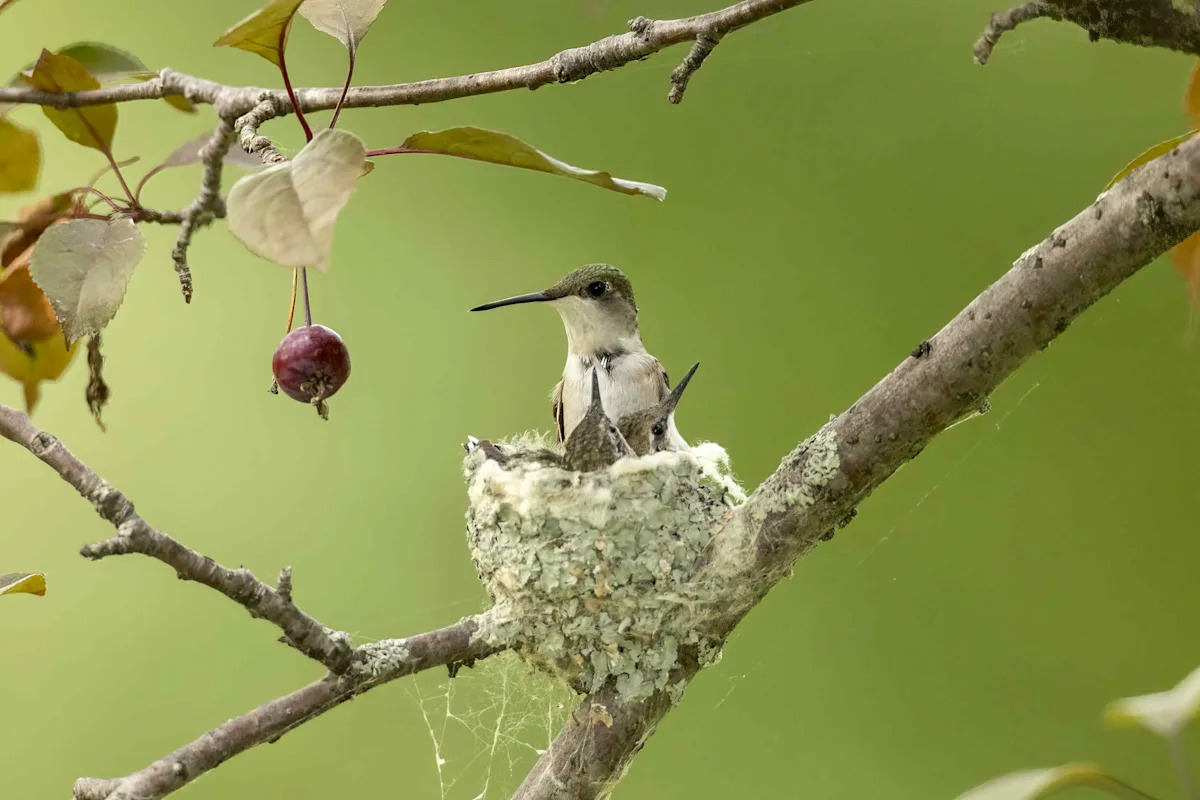
There are many ways humans can support backyard birds, such as offering them baths for preening, providing essential food and nutrients, and growing native plants for habitat and foraging. If you want to take it a step further, you may be curious if you can help your local avians with their nests. While there are nesting materials you can offer birds, it’s important to be very careful before doing so. Certain items can be toxic to birds or pose a choking or strangulation hazard. To keep your backyard birds safe, we spoke to experts who shared the best and worst nesting materials for birds.
Meet Our Expert
Related: 10 Plants That Provide Food and Nutrients for Birds, According to Experts
Why Nesting Materials Matter
Birds use nesting materials primarily to build nests for laying eggs. “Depending on the type of bird species and where and how they build their nests, nesting materials are also used to make sure the nest stays put, for egg insulation and protection, and for keeping their hatchlings comfy,” says Kaitlyn Parkins, glass collisions program coordinator at American Bird Conservancy. “In colder regions, nests are often insulated and sheltered, while in hotter climates they tend to be positioned in shaded places and are more airy.”
They make these nests using items available in nature. “Depending on the species, birds might use plant stems, twigs, branches, leaves, feathers, fur, seed down, mud, and even spider webs to construct their nests,” says David Mizejewski, naturalist with the National Wildlife Federation. “Without access to such nesting materials, birds wouldn’t be able to successfully reproduce.”
Best Nesting Materials for Birds

Credit: MelodyanneM / Getty Images
While birds don’t need much help finding and gathering nesting materials, it can be nice to give them some help. When offering nesting materials for your backyard birds, Parkins says natural is best.
“Birds evolved and adapted to using specific natural materials from their habitats so they’ll know what to do with them,” she says. “If you maintain native trees, shrubs, and vines in your landscape, you will also encourage birds to nest in your yard or simply stop for a quick rest during their spring or fall migration.”
Some examples of natural items you can add to your yard (or just leave behind when cleaning up) to encourage birds to visit or nest include:
-
Twigs: Twigs from trees and shrubs are used by various birds like cardinals, goldfinches, robins, doves, and thrashers.
-
Large sticks: Leave big sticks in your yard for larger birds, such as hawks and egrets, to use.
-
Fallen leaves: Certain birds like to forage for insects in leaf litter, especially when feeding their young, says Parkins.
-
Pine needles: Eastern bluebirds use pine needles from evergreen trees when building nests.
-
Native plants: In addition to nesting materials, many native plants also provide the natural foods birds need, including seeds, berries, and nuts, says Mizejewski.
-
Moss and lichen: Chickadees and hummingbirds often use spongy moss and lichen as nesting materials.
-
Dry grass: Dry grass may be a landscaping woe for you, but it is beloved by catbirds, Baltimore orioles, and back-winged blackbirds that build their nests in pond areas, says Parkins.
-
Loose bark: Loose bark on trees is often used by brown creepers, and sometimes owls use it to line their nests in tree burrows, says Parjins.
-
Spider webs: Spider webs are also used by hummingbirds, kinglets, and gnatcatchers.
Being able to observe an active nest in one’s yard is very exciting, but it is important to observe from a safe distance, Parkins urges. “This will prevent harm to the birds or even worse, nest abandonment by parent birds. Pet cats allowed to roam outdoors can also pose a threat to birds, especially helpless fledglings. Thus, we encourage pet owners to keep them indoors.”
Worst Nesting Materials for Birds
While there are a lot of amazing natural nesting materials you can offer your backyard birds, there are also plenty of items that are potentially harmful to them.
Our experts warn against giving birds the following:
-
Dryer lint: Dry lint absorbs water in open cup nests such as those made by cardinals, song and field sparrows, and house finches, says bird expert Julie Zickefoose, causing it to disintegrate.
-
Chemically treated plants: If you want birds to use plants as nesting material, avoid spraying them with pesticides, as Parkins says they are harmful to birds and the insects they feed on.
-
Pet fur: Providing pet fur to birds has made the rounds on social media, but Parkins notes that chemically treated pet fur can cause serious harm to chicks. This includes fur from pets treated for flea and tick prevention.
-
Synthetic fibers: Synthetic fibers are not biodegradable and, like dryer lint, will also get waterlogged, preventing the nest from drying out after rains, says Mizejewski.
-
String and twine: Long pieces of string or twine pose a tangling hazard for birds, says Zickfoose. The same goes for landscape netting, monofilament, and fake spider webs. Parkins notes that these materials can lead to death.
Related: Why You Should Never Rake Your Leaves, According to Experts
Read the original article on Martha Stewart