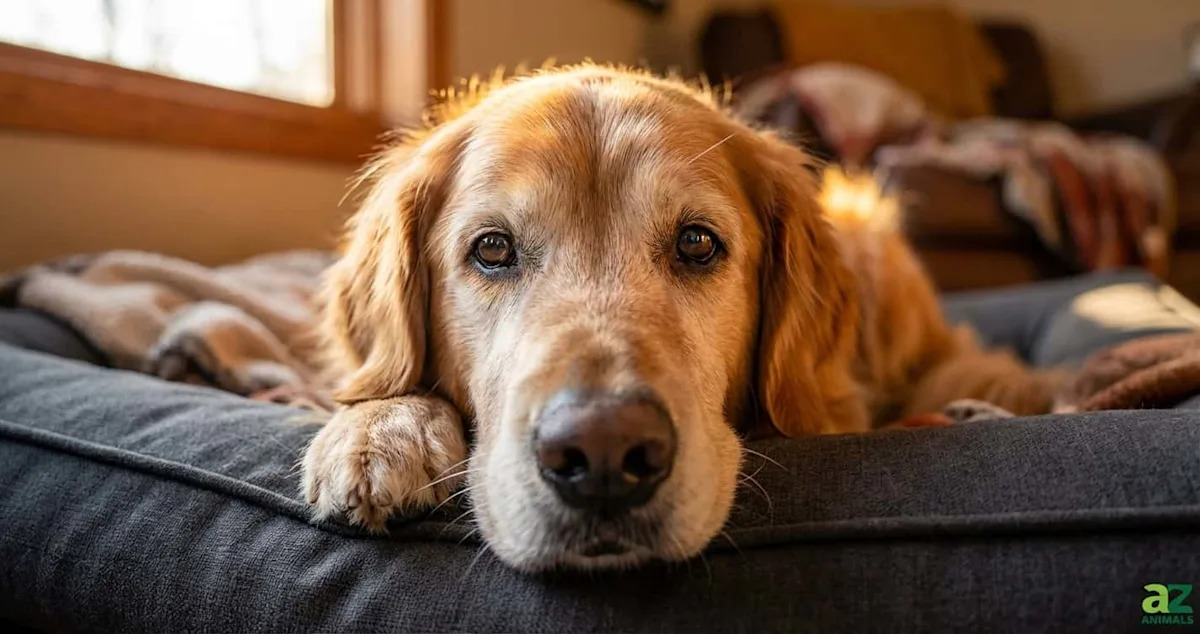
The post Only 2% of Adopters Prefer Senior Pets. Are You Missing Out? appeared first on A-Z Animals.
A recent survey on behalf of MetLife Pet Insurance found that nearly 1 in 2 pet owners (48%) choose to adopt puppies or kittens, while just 2% prefer senior pets. The heartbreaking reality is that young pets are widely seen as more adoptable than older ones, partly because there is a higher risk of losing a senior pet.
According to the research, energy level compatibility (83%) and known health history (81%) are the leading factors when considering a pet. What’s more, 52% of pet owners believe it’s easier to form stronger bonds with younger pets. These stats might explain the gap in senior pet adoption.
Thankfully, 76% admitted that they’d feel fulfilled giving a home to an overlooked pet, with 64% of pet owners saying they would be more likely to adopt a senior pet if offered subsidized veterinary care or discounted pet insurance. There’s some hope, after all. Keep reading to learn the many benefits of choosing a senior cat or dog—and ways to establish a loving bond.
Reasons to Adopt a Senior Pet
There are many reasons to adopt a senior pet over a puppy or kitten. Regardless of age, all pets bring unique strengths and weaknesses. While an elderly pet might not have the same energy as a younger one, this lower energy level can actually be a benefit for some households.
“While often overlooked for a puppy or kitten, older animals often fit the lifestyles of many families,” says Laurie Hood, founder and president of Alaqua Animal Refuge in Northwest Florida. “If you live in an apartment and work long hours, an active, high-energy puppy may not be good for you, even if you love the breed. Older animals can often fit the companion and lifestyle needs of people.”

Many elderly pet owners choose senior animals as their companions.
©Pixel-Shot/Shutterstock.com
“When looking at a pet to adopt, a senior animal may move [more slowly], but their hearts are just as full,” Hood adds. “They, too, deserve care and love.”
Of course, another reason to adopt a senior pet is to offer them a safe and loving home for the last years of their lives. Because so many pet owners seek young animals, many older pets experience bleak final years in shelters. Not to mention, some older animals have endured trauma and loss. Offering them a safe, comfortable place to land can make all the difference.
“It’s estimated that senior dogs often stay in a shelter four times longer than puppies and kittens, but they have so much life and love to give,” says Hood. “At Alaqua, we’ve seen many, many senior animals enjoy years left of life with the proper care. With a few small adjustments—things such as soft bedding, shorter walks, pain management, more accessible food and water—senior animals can truly thrive,” Hood says.
If you live in an apartment and work long hours, an active, high-energy puppy may not be good for you, even if you love the breed. Older animals can often fit the companion and lifestyle needs of people.
Laurie Hood, founder and president of Alaqua Animal Refuge in Northwest Florida
How to Bond With a Senior Pet
If you decide to adopt a senior pet, don’t worry about whether you’ll be able to bond with them. Senior pets can still form strong bonds with their owners, especially if they feel safe and secure.
“Senior dogs are just as capable of forming deep, meaningful bonds; it’s simply expressed differently than a puppy or kitten,” says Hood. “Often, senior animals have already developed their personalities, just like an older human. They are able to be present, engaged, and show appreciation for care and love.”
To establish strong and lasting connections with your senior pet, be patient, consistent, and dependable as an owner.
“Senior animals have often developed their personality. Bonding with them comes through patience, care, and meeting them where they are,” Hood explains. “Pay attention to the small moments that have big meaning: how they respond to their voice, enjoy a treat, and how they truly relax in a comfortable environment.”

You can still form strong bonds with your senior pet.
©Vanessa Nunes/iStock via Getty Images
“Through consistent care, comfort, and patience, trust is built,” she adds. “Advocating for their needs, providing comfort, and adjusting routines to support their current needs helps strengthen your bond over time.”
Though a senior pet might not have the same perky energy as younger pets, it doesn’t mean it’s any less worthy of love. If you’re in the position to adopt an older animal, know you will be changing its life for the better.
“Just because an animal is older doesn’t mean their life should be valued any less,” Hood says. “Every animal is different, and families deserve the space to decide what’s best for them and their pet. Senior animals have given so much. They deserve compassion, dignity, and love through every stage of life.”
The post Only 2% of Adopters Prefer Senior Pets. Are You Missing Out? appeared first on A-Z Animals.